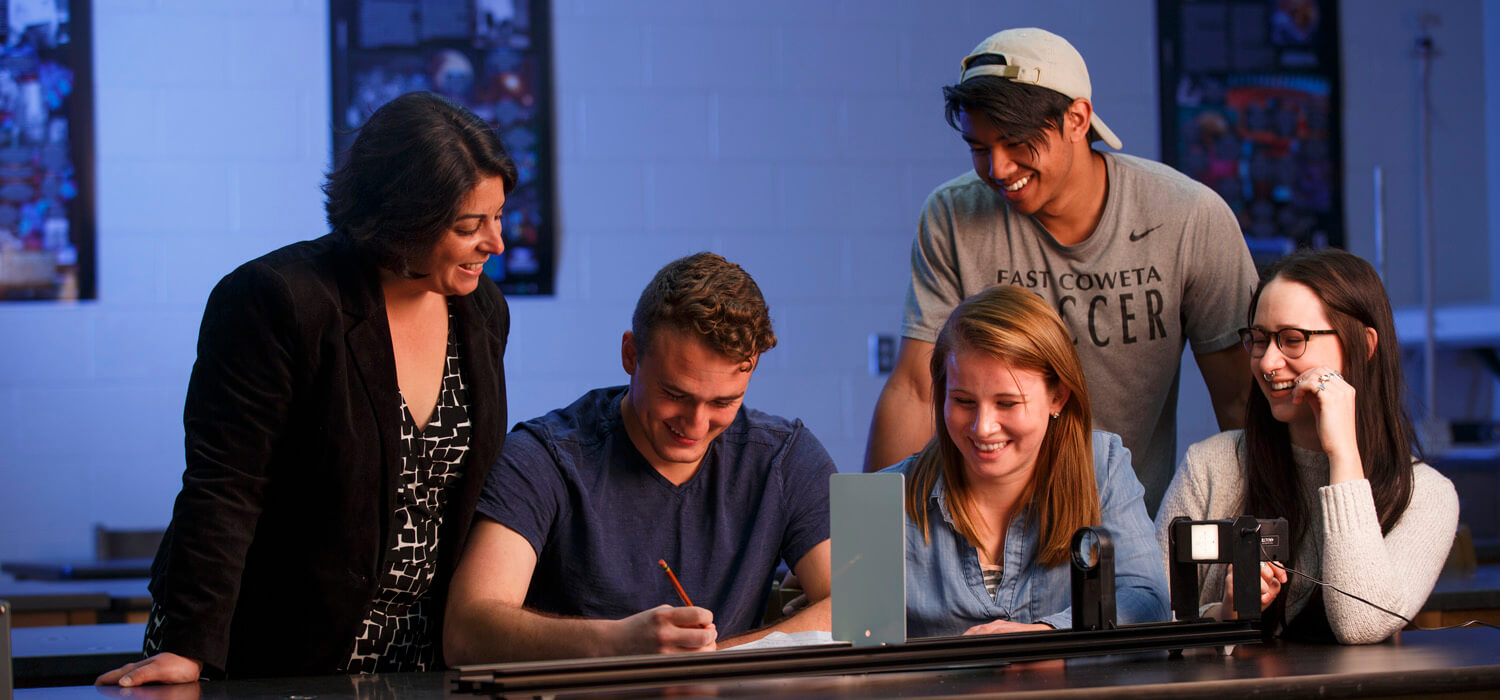
Why study Engineering at MC?
Engineers apply math and science to solve problems that improve our lives and the lives of others. Almost every technology we interact with on a daily basis has an engineering connection. For example, teams of engineers are responsible for improving transportation, communication, building materials, medical devices, pharmaceuticals and computer hardware and software. Engineers are also working on solutions to problems related to food production, clean water supply, and energy. There are engineers working in industry, government and even for non-profits around the globe.
At Maryville College, students who pursue the dual degree program in Engineering get the best of both worlds: a liberal arts education combined with the technical education offered by an engineering program. Students spend the first three years of their college career at Maryville laying a strong foundation in the math, chemistry, physics and computer science they will need in order to transfer to an engineering school. At the same time, they are developing the hallmarks of a liberal arts education: written and oral communication skills, interpersonal skills and an ability to view problems in a wider context. The combination of math and science with the ability to see and communicate the big picture makes our alumni stand out among the crowd.
Maryville College maintains a transfer agreement with the University of Tennessee, Knoxville, but students may transfer to any accredited engineering program. Upon completing the requirements of the program, students receive a Bachelor of Arts degree from Maryville College and a Bachelor of Science degree from their engineering school.
Meet a Current Scot

Zae Richardson
Hometown: Tuscaloosa, Alabama
Zae chose MC because he knew he’d be able to build connections with his professors, his football teammates and his classmates all while enjoying campus life and having support in his academic journey. Zae is a Scots Science Scholar, Bonner Scholar and member of Fellowship of Christian Athletes.
Having always been interested in how things work and how they’re built, Zae enjoys the challenges presented by the Engineering major. He interned at LDA Engineering during summer 2025 and learned about water treatment processes, landfills and surveying. He said his long-term goal is to become a civil engineer “to help make life better in communities that don’t always get the attention they deserve.”
Meet a Recent Grad
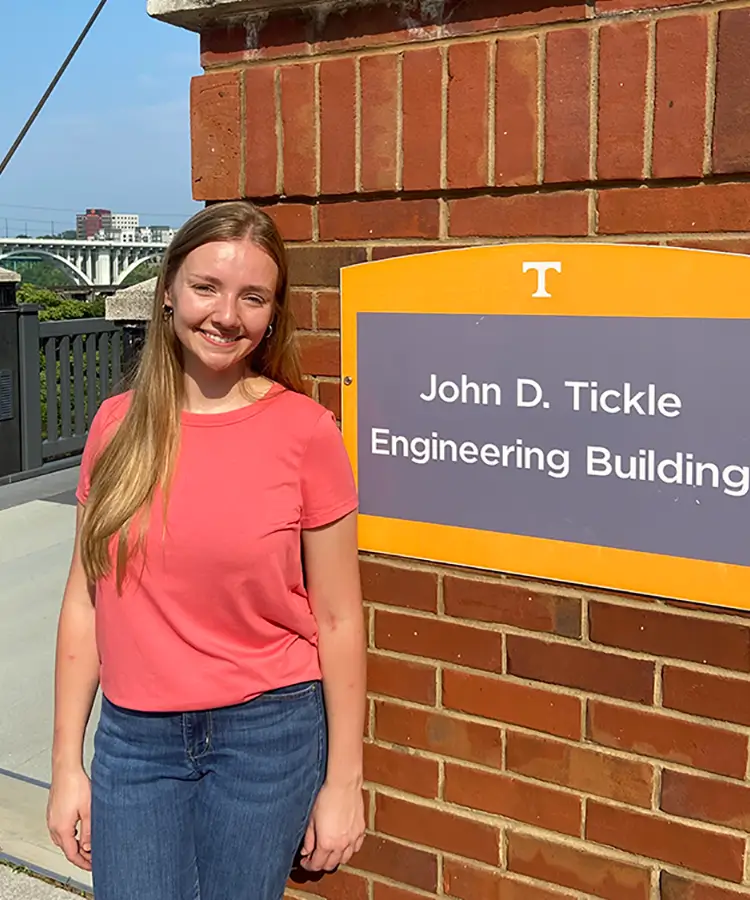
Micayla Domingues ’25
Currently: University of Tennessee’s Tickle College of Engineering
Micayla earned a B.A. in Engineering from Maryville College and will complete her B.S. in Civil Engineering from the University of Tennessee in December 2025. While at MC, she took an engineering course at an international summer school in South Korea and studied sustainability and Blue Zones in Costa Rica.
She chose to study civil engineering because it affects society directly. “Maryville College fostered my passion for global development and challenged my perspective about what impact I want to have as a professional.” Wanting to concentrate in construction, Micayla plans to obtain her professional engineering license and spend her career working on sustainable solutions for rural areas at home and abroad.