Music

Part of the Fine Arts Division

Cultivating a vibrant environment, the Maryville College Music Department prepares students for lives as creative musicians who will bring imagination, beauty, intelligence, and vision to their communities, thereby becoming cultural leaders in the world.

AUDITIONS AND ADMISSION TO MUSIC CURRICULA

AUDITIONS AND ADMISSION TO MUSIC CURRICULA

All students intending to pursue a major or minor in music or participate in an ensemble must complete the Music Placement Hearings during Fall Orientation prior to beginning study. Each student will then be counseled into the appropriate courses. All music majors must demonstrate proficiency in basic keyboard skills. Those who lack this preparation upon entering must take Keyboard Fundamentals for 0 credits every term until all five areas of the proficiency requirement are passed. All music majors must pass the piano proficiency requirement before enrolling in Senior Project 351-352.

Admission to a particular curriculum as a music major is conferred by the music faculty after the completion of MUS 102: Music Theory II (3 hrs.) or, in the case of students with advanced standing, after one semester of study at Maryville College. Contact the Chair of the Division of Fine Arts for details.

French or German is recommended as the foreign language choice for singers and students planning graduate work in music.

Learning Outcomes

Students successfully completing the program of study will have achieved the following learning outcomes:

  1. Demonstrate knowledge and skills in music theory, ethnomusicology, and the history of American and Western fine arts music
  2. Demonstrate basic proficiency in keyboard, aural skills, improvisation, and use of electronic technology in music
  3. Demonstrate high-quality performance skills in at least one area of applied music, together with a knowledge of repertory
  4. Demonstrate high-quality performance skills in ensembles, together with a knowledge of repertory
  5. Demonstrate specialized knowledge and skills necessary for professional degrees in performance (piano and voice) and music education (vocal/general and instrumental)
  6. Establish composite knowledge and skills necessary for the pursuit of graduate study and/or a musical career suited to the student's talents and desires

THE BACHELOR OF ARTS DEGREE
The Major in Music for those pursuing the Bachelor of Arts degree requires a minimum of 46 hours including:

    MUS 101: Music Theory I (3 hrs.)
    MUS 102: Music Theory II (3 hrs.)
    MUS 111: Aural Skills I (1 hr.)
    MUS 112: Aural Skills II (1 hr.)
    MUS 201: Music Theory III (3 hrs.)
    MUS 202: Music Theory IV (3 hrs.)
    MUS 211: Aural Skills III (1 hr.)
    MUS 212: Aural Skills IV (1 hr.)
    MUS 312: History of Music in the United States (3 hrs.)
    MUS 313: History of Western Fine Arts Music to 1750 (3 hrs.)
    MUS 314: History of Western Fine Arts Music from 1750 to the Present (3 hrs.)
    MUS 315: Introduction to Ethnomusicology (3 hrs.)
    MUS 351-352: Senior Project (6 hrs.)
    8 hours of applied music
    4 hours of ensemble participation.

 Keyboard proficiency must be demonstrated. At least 66 hours must be earned in courses outside the discipline.

 The Minor in Music consists of 18 credit hours in music, including:

    MUS 101: Music Theory I (3 hrs.)
    MUS 102: Music Theory II (3 hrs.)
    MUS 111: Aural Skills I (1 hr.)
    MUS 112: Aural Skills II (1 hr.)
    6 credit hours at the 300 or 400 level
    4 credit hours in courses, lessons, and/or ensembles.

THE BACHELOR OF MUSIC DEGREE
The Bachelor of Music is a professional degree, intended for students who plan to pursue a career in some aspect of music. It differs from the Bachelor of Arts degree in its general education core requirements (see General Education in this catalog) and the extent of specialization. As a professional degree, it affords more extensive study in the major field.

The College offers major programs in performance, music education, and theory-composition. All include preparation in theory, aural skills, and music history. Private lessons are a part of each major, as is sustained participation in a musical ensemble. Beyond these common elements, students take specialized courses appropriate to each major.

 Music Education

 The Major in Music Education for Teacher Licensure in Vocal/General Music consists of 63 credits in music including:

    MUS 101: Music Theory I (3 hrs.)
    MUS 102: Music Theory II (3 hrs.)
    MUS 111: Aural Skills I (1 hr.)
    MUS 112: Aural Skills II (1 hr.)
    MUS 201: Music Theory III (3 hrs.)
    MUS 202: Music Theory IV (3 hrs.)
    MUS 211: Aural Skills III (1 hr.)
    MUS 212: Aural Skills IV (1 hr.)
    MUS 312: History of Music in the United States (3 hrs.)
    MUS 313: History of Western Fine Arts Music to 1750 (3 hrs.)
    MUS 314: History of Western Fine Arts Music from 1750 to the Present (3 hrs.)
    MUS 315: Introduction to Ethnomusicology (3 hrs.)
    MUS 321: Methods and Materials of Music Education K-12 (2 hrs.)
    MUS 322: Conducting (3 hrs.)
    MUS 323: Orchestration and Arranging (2 hrs)
    MUS 351-352: Senior Project (6 hrs.)
    14 hours of applied music (voice or voice and piano)
    8 hours of ensemble (at least 6 in choir)
    A senior recital is required.

Additional liberal studies requirements include:
    PSY 101: Introductory Psychology (3 hrs.)
    SOC 271: Sociology of Education (3 hrs.)

Students pursuing this major must complete 29 hours of professional courses in teacher education. The professional courses are listed below and in the Education section of this catalog. They include:

    EDU 301: Models of Classroom Management and Instruction (3 hrs.)
    EDU 302: Educational Technology (2 hrs.)
    EDU 321: Reading and Writing in the Content Classrooms (2 hrs.)
    EDU 343: Practicum in Methods and Materials (2 hrs.)
    EDU 401: Student Teaching (9 hrs.)
    EDU 402: Professional Seminar on Teaching (3 hrs.)
    PHR 236: Health Issues in Education (2 hrs.)
    PSY 218: Psychology of Adolescence (3 hrs.)
    PSY 334: Culturally Diverse and Exceptional Children (3 hrs.)

The Major in Music Education for Teacher Licensure in Instrumental Music consists of 64 credits in music including the following courses:

    MUS 101: Music Theory I (3 hrs.)
    MUS 102: Music Theory II (3 hrs.)
    MUS 111: Aural Skills I (1 hr.)
    MUS 112: Aural Skills II (1 hr.)
    MUS 201: Music Theory III (3 hrs.)
    MUS 202: Music Theory IV (3 hrs.)
    MUS 211: Aural Skills III (1 hr.)
    MUS 212: Aural Skills IV (1 hr.)
    MUS 312: History of Music in the United States (3 hrs.)
    MUS 313: History of Western Fine Arts Music to 1750 (3 hrs.)
    MUS 314: History of Western Fine Arts Music from 1750 to the Present (3 hrs.)
    MUS 315: Introduction to Ethnomusicology (3 hrs.)
    MUS 321: Methods and Materials of Music Education K-12 (2 hrs.)
    MUS 322: Conducting (3 hrs.)
    MUS 323: Orchestration and Arranging (2 hrs)
    MUS 324: Introduction to Orchestral Instruments (1hr each for a total of 4 credit hours)
    MUS 351-352: Senior Project (6 hrs.)
    11 hours of applied music (major instrument)
    8 hours of ensemble (at least 6 in instrumental ensembles).
    A senior recital is required.

 Additional liberal studies requirements include:
    PSY 101: Introductory Psychology (3 hrs.)
    SOC 271: Sociology of Education (3 hrs.)

Students pursuing this major must complete 29 hours of professional courses in teacher education. The professional courses are listed below and in the Education section of this catalog. They include:

    EDU 301: Models of Classroom Management and Instruction (3 hrs.)
    EDU 302: Educational Technology (2 hrs.)
    EDU 321: Reading and Writing in the Content Classrooms (2 hrs.)
    EDU 343: Practicum in Methods and Materials (2 hrs.)
    EDU 401: Student Teaching (9 hrs.)
    EDU 402: Professional Seminar on Teaching (3 hrs.)
    PHR 236: Health Issues in Education (2 hrs.)
    PSY 218: Psychology of Adolescence (3 hrs.)
    PSY 334: Culturally Diverse and Exceptional Children (3 hrs.)

Music Performance

The Major in Piano or Vocal Performance consists of a total of 78 credit hours including the following courses:

    MUS 101: Music Theory I (3 hrs.)
    MUS 102: Music Theory II (3 hrs.)
    MUS 111: Aural Skills I (1 hr.)
    MUS 112: Aural Skills II (1 hr.)
    MUS 201: Music Theory III (3 hrs.)
    MUS 202: Music Theory IV (3 hrs.)
    MUS 211: Aural Skills III (1 hr.)
    MUS 212: Aural Skills IV (1 hr.)
    MUS 308: Pedagogy in the Applied Field (1 hr.)   
    MUS 312
: History of Music in the United States (3 hrs.)
    MUS 313: History of Western Fine Arts Music to 1750 (3 hrs.)
    MUS 314: History of Western Fine Arts Music from 1750 to the Present (3 hrs.)
    MUS 315: Introduction to Ethnomusicology (3 hrs.)
    MUS 322: Conducting (3 hrs.)
    MUS 323: Orchestration and Arranging (2 hrs)
    MUS 351-352: Senior Project (6 hrs.)
    MUS 401: Literature in the Applied Field I (1 hr.)
    MUS 402: Literature in the Applied Field II (1 hr.)
    24 hours of applied music in the principal area
    8 hours of ensemble
    4 hours of music electives (courses, lessons, ensembles, or a combination).

 Students pursuing this degree must present a half recital in the junior year and a full recital in the senior year.

Music Theory-Composition

The Major in Theory-Composition consists of a total of 78 credit hours including the following courses:

    MUS 101: Music Theory I (3 hrs.)
    MUS 102: Music Theory II (3 hrs.)
    MUS 111: Aural Skills I (1 hr.)
    MUS 112: Aural Skills II (1 hr.)
    MUS 201: Music Theory III (3 hrs.)
    MUS 202: Music Theory IV (3 hrs.)
    MUS 211: Aural Skills III (1 hr.)
    MUS 212: Aural Skills IV (1 hr.)
    MUS 305: Analytical Techniques (3 hrs.)
    MUS 306: Philosophy and Aesthetics of Music (3 hrs.)
    MUS 308: Pedagogy in the Applied Field (1 hr.)
    MUS 312: History of Music in the United States (3 hrs.)
    MUS 313: History of Western Fine Arts Music to 1750 (3 hrs.)
    MUS 314: History of Western Fine Arts Music from 1750 to the Present (3 hrs.)
    MUS 315: Introduction to Ethnomusicology (3 hrs.)
    MUS 322: Conducting (3 hrs.)
    MUS 323: Orchestration and Arranging (2 hrs)
    MUS 351-352: Senior Project (6 hrs.)
    MUS 343: Practicum (2 hrs.)
    20 hours of applied lessons in either theory or composition or a combination, including studies in music synthesis and MIDI technology
    8 hours of ensemble
    2 hours of music electives (courses, lessons, ensembles, or a combination).

 Students pursuing this degree must present a full recital in the senior year.

APPLIED MUSIC

The study of applied music is central to all curricula in music and is a valuable elective for students in majors other than music. One credit hour per semester is earned for a half-hour lesson and at least three hours practice per week. Two credit hours per semester are earned for an hour lesson or two half-hour lessons and at least six hours practice per week. Three credit hours, available only to music majors, are earned for a 90-minute lesson or two 45-minute lessons per week and at least nine hours practice per week. (Non-credit students are expected to practice the same amount of time as the parallel credit students). Additional fees are charged for applied music lesions.

Instruction and practice include both technique and a minimum standard repertoire. For music majors, the latter includes, over a period of time, standard repertoire for the given instrument from each appropriate historical era and genre. For non-majors, the instructor may tailor the selection of repertoire to the individual student’s particular goals and needs. Refer to the Course Information section in this Catalog for a list of courses.

ENSEMBLES
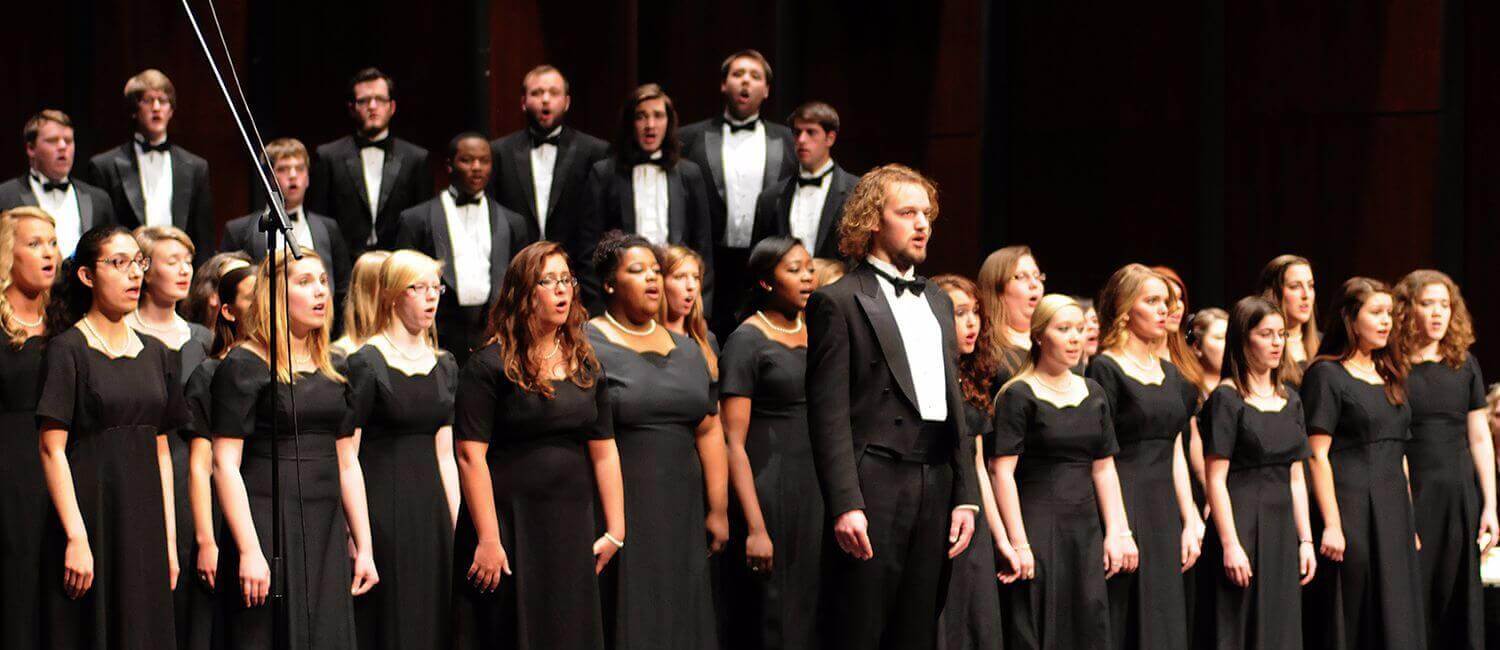
The following ensembles are open to all students who meet the stated requirements. Unless otherwise listed, students may earn one credit hour per semester for participation in an ensemble. A noncredit option is also available.

    MUS E12: The Maryville College Concert Choir *
    MUS E13: The Maryville College Community Chorus
    MUS E14: The Orchestra at Maryville: A College-Community Ensemble **
    MUS E15: The Maryville College Jazz Band **
    MUS E16: The Maryville College Community Concert Band **
    MUS E17: Chamber Music Ensemble (1/2 credit hour per semester)
 * Audition required
** Some previous instrumental experience required

Core Curriculum Requirements

Each student must satisfy the core requirements and requirements for individual programs of study.

    « Back