Why study Psychology at MC?
Why do people do the things they do? How do children learn and develop? How does prejudice form, and under what circumstances are people more likely to help one another? These are just a sample of questions that the field of psychology attempts to answer. The Major in Psychology offers a broad foundation for the understanding of behavior and mental processes. With a focus on human behavior and cognition, students in the major gain an understanding of individual differences, group behavior, and the impact of environmental and social factors. We provide students with the tools necessary for scientific study of behavior and the ability to concentrate the coursework in areas of particular interest, while getting the necessary breadth in social, cognitive, developmental, and clinical areas.
The Psychology Department will create a healthy, sustainable environment that fosters student engagement & leadership in an interconnected world through meaningful educational experiences that contribute to the public good.
In addition to the primary, we also offer majors in these sub-areas:
Counseling:
The Major in Psychology-Counseling is designed to provide students with coursework related to the counseling field, including Counseling, Abnormal Psychology, Theories of Personality, Group Facilitation, and Sociology of Marriage and Family. Graduates are ready to directly enter the workforce of a wide variety of social service organizations and programs that serve children and families, individuals with substance abuse problems, victims of domestic violence, individuals with chronic mental illness, and others.Students are also well prepared for graduate programs in clinical psychology, counseling, social work, school counseling, marriage and family therapy, and related fields.
Developmental Psychology:
The Major in Developmental Psychology is an excellent option for students who are interested in developmental science across the lifespan and in providing services to children, adolescents and adults. Students in this major build a strong foundation in the theory and practice of development, from conception through aging.
Neuroscience:
Neuroscience is a rapidly developing, interdisciplinary field includes study in psychology, biology, chemistry and statistics. While understanding the biochemistry of individual nerve cells or examining mental processing or disease states such as Alzheimer’s, you will learn how the brain and nervous system respond to the environment and generate behavior.
Meet a Current Scot
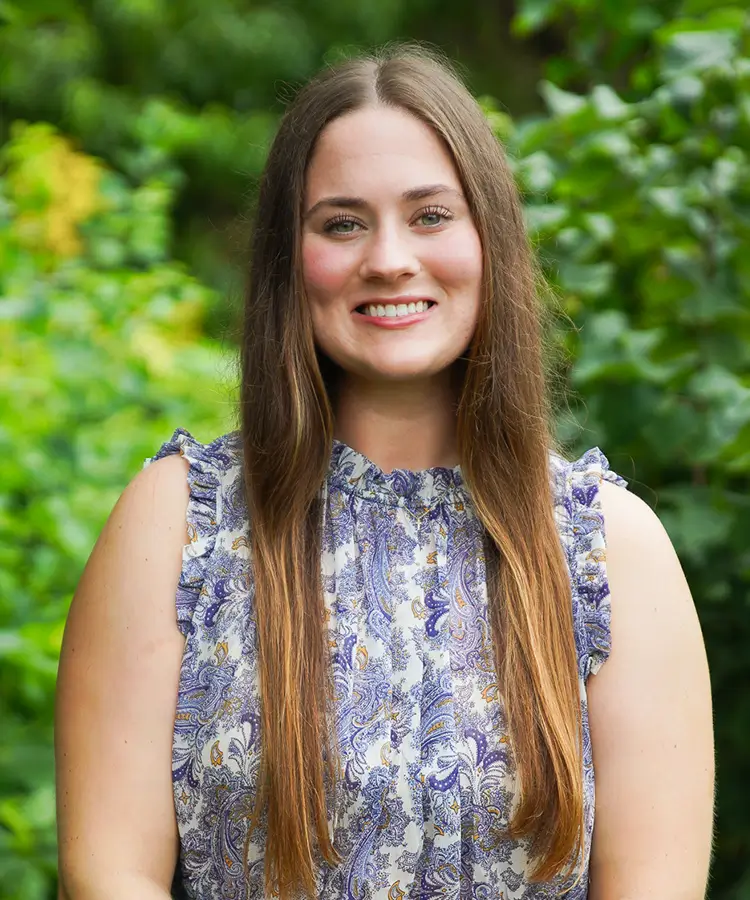
Annie Melhorn
Hometown: Ten Mile, Tennessee
To truly excel in post-secondary education, Annie knew she needed a college that was not only academically strong but also strong in character. After the welcome she received from the Admission Ambassadors, advisors, professors and even the College’s president, Annie chose MC.
A Psychology and Criminal Justice double major, Annie found work at the Family Resource Center of Maryville as an assistant to its director. “Being able to directly work with families that need emotional, physical, medical, social and academic support has deepened my knowledge of the criminal justice and psychology fields.”
In addition to being inducted to the College’s chapter of Psi Chi, the International Honor Society in Psychology, Annie is working towards obtaining her Certified Nonprofit Professional credential through the College’s Nonprofit Leadership Alliance.
Meet a Recent Grad
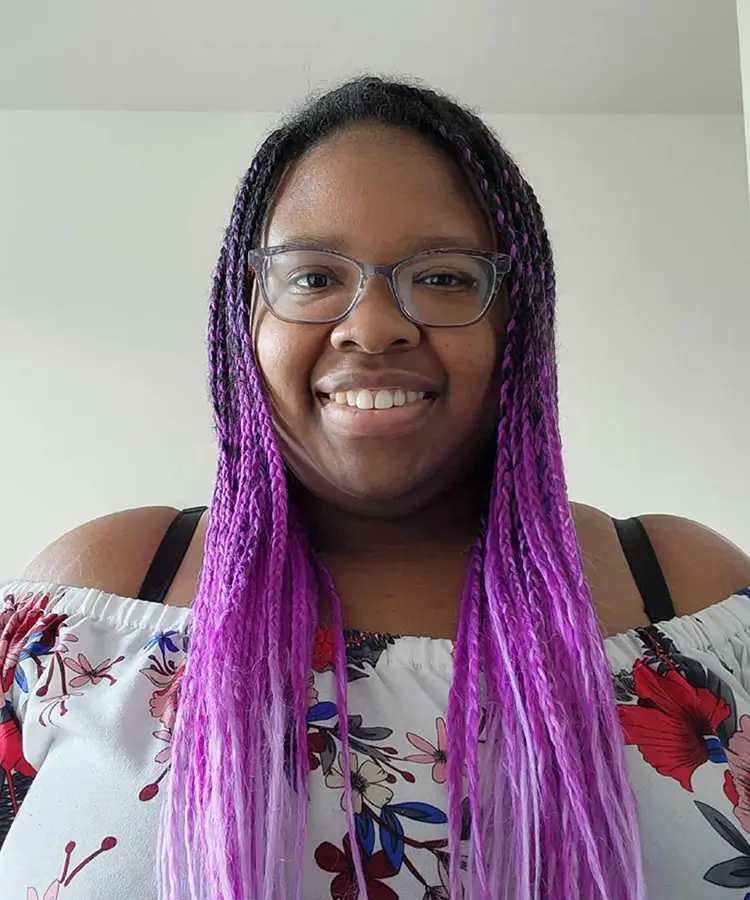
Brooke Pratcher ’22
Currently: Pursuing a Master’s in Clinical Mental Health Counseling from Xavier University in Cincinnati, Ohio
When Brooke enrolled at MC, she was set on the Biology major and Pre-Vet track. However, her interest in psychology was piqued in a psychology class where she learned about the significant shortage of Black, female counselors. “I knew that this lack of representation could have profound effects on the mental health and well-being of Black individuals,” she said. That knowledge inspired her to pursue a career in psychology so she could address the disparities.
Brooke credits her MC professors for helping her develop the cultural competence and empathy necessary for effective counseling and the rigorous curriculum and hands-on experiences for preparing her for her graduate studies and beyond. Her current career plans are to become a family and marriage counselor in South Carolina and potentially pursue a doctorate in the field.