Why study American Sign Language-English Interpreting at MC?
In 1974, Maryville College became the first college in the United States to offer a bachelor’s degree in ASL-English Interpreting. During the 50 years since that first offering, our graduates have gone on to impressive careers with various community interpreting services, remote interpreting companies, public school systems, universities, a wide variety of corporations, and state and federal agencies. In this program, we have faculty members, adjuncts and staff that are actively associated with American Sign Language Teachers Association (ASLTA) and National Registry of Interpreters for the Deaf (RID).
Sign language interpreters provide information access for people who are Deaf or Deaf-blind in a wide range of everyday settings such as buying a home, adopting a child, taking a cruise, pursuing educational goals, conducting business meetings, and job interviews. Skilled professional interpreters may own a business or thrive as staff interpreters, interpret solo or as members of an interpreting team. Interpreters also can specialize in education, healthcare, legal and/or video relay services. The major prepares students for immediate employment or advanced studies in interpreting and various related fields.
Our faculty members, adjuncts, and staff hold credentials and degrees in American Sign Language Interpreting and pedagogy, Deaf Education, and ASL/Deaf Studies. The ASL/AEI team combines decades worth of interpreting experience, mentoring expertise, and pedagogical practice with a passion for exemplary service to the Deaf, Deafblind and Hard of Hearing community.
ASL and interpreting staff include Deaf consultants in interpreting course sessions. The curriculum is student-centered with pedagogically sound practice sessions, and individual attention to skill development. Community resources include a vibrant Deaf community, our neighbors-Tennessee Schools for the Deaf-local interpreting service community centers, and other employers of interpreters. A related major that focuses on the language and Deaf culture is ASL & Deaf Studies.
Meet a Current Scot
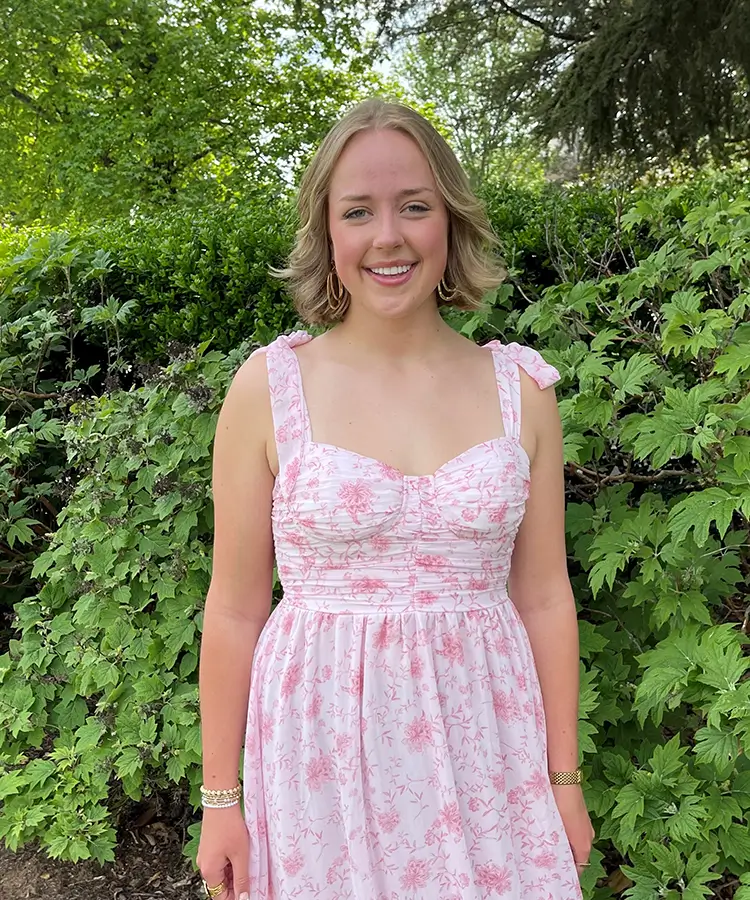
Rebecca Johnson
Hometown: Maryville, Tennessee
Rebecca chose MC as it is one of a few 4-year institutions that offers a degree in ASL-English Interpreting and has extracurricular activities that aligned with her interests. She is involved in three vocal performance groups and the Tartanband and serves as an academic mentor.
After graduation, Rebecca plans to focus on educational interpreting or community interpreting through an agency and become a certified ASL interpreter. At MC, she has learned under a Deaf professor and attended, as a requirement for ASL and interpreting classes, Deaf events such as ASL Night at the Knoxville Ice Bears and KCD’s Deaf Coffee Chats. “Learning ASL in an immersive environment has fostered a lot of growth in my skills and knowledge,” she said.
.
Meet a Recent Grad
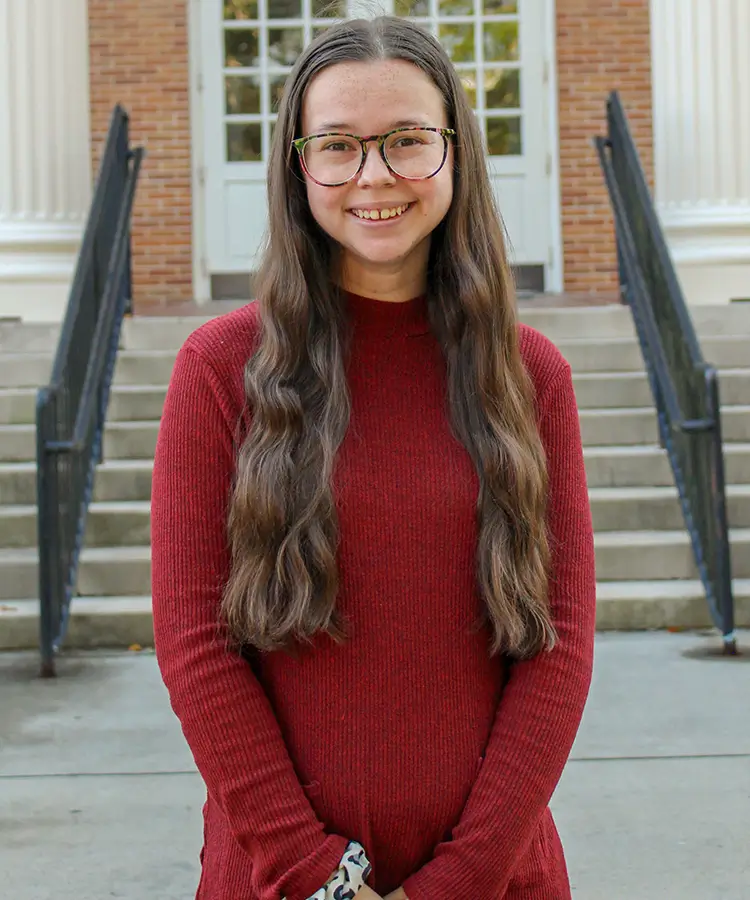
Betty White ’24
Current: ASL Interpreter Apprentice with ZP VRS
Betty transferred to Maryville College for the ASL English Interpreting program. “A liberal arts education is exactly the foundation that ASL interpreters need,” she said. Interpreting calls for Deaf clients all over the country, she now regularly pulls information from other topics she learned as part of her MC education.
While a student, Betty interned at the Alabama Institute of the Deaf (ALDB), which gave her a place to both improve her skills and learn about different career options in the interpreting profession. She also credits her professors for providing encouragement to continue through difficulties. Betty is working toward state licensure in Alabama with plans to pursue national certification. She hopes to eventually obtain a Qualified Mental Health Interpreter certification.