Why study Neuroscience at MC?

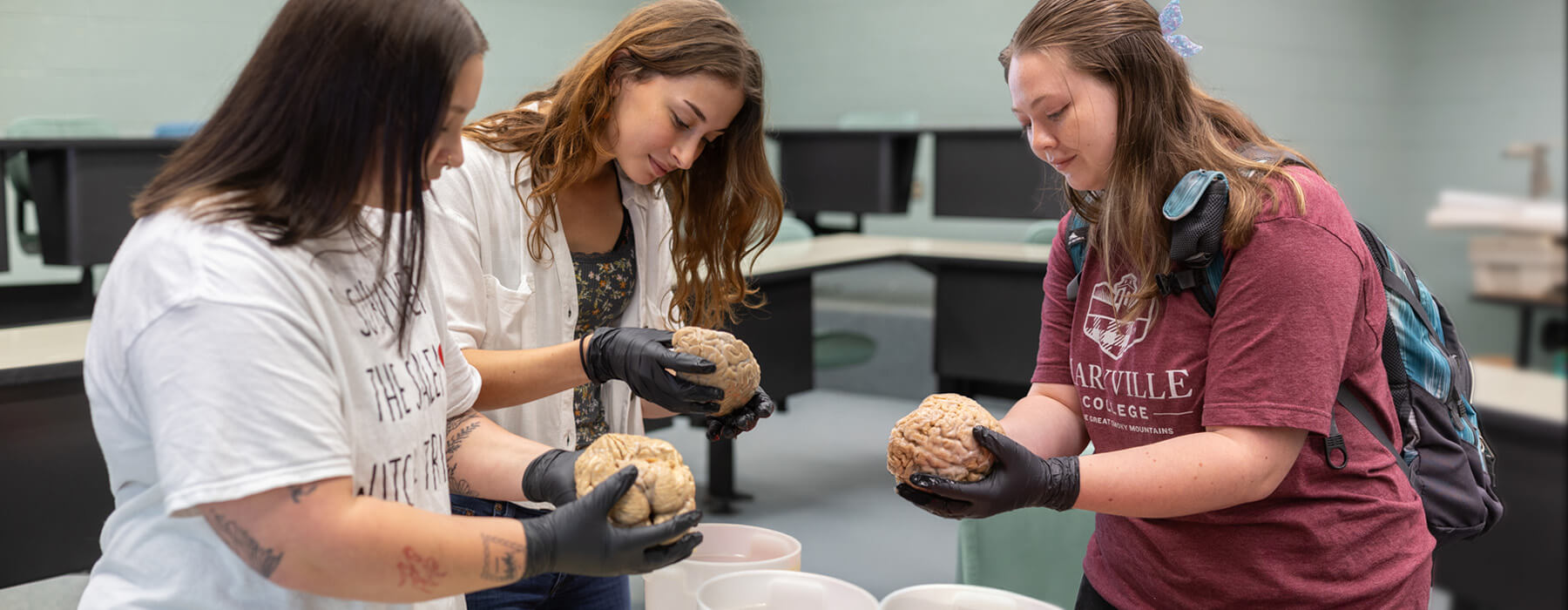
Neuroscience is a rapidly developing, interdisciplinary field includes study in psychology, biology, chemistry and statistics. While understanding the biochemistry of individual nerve cells or examining mental processing or disease states such as Alzheimer’s, you will learn how the brain and nervous system respond to the environment and generate behavior. We prepare students for graduate programs in cognitive neuroscience, psychology, neuropsychology, speech and language pathology and health-related fields, and for careers in health, pharmaceutical and neuropsychology settings.

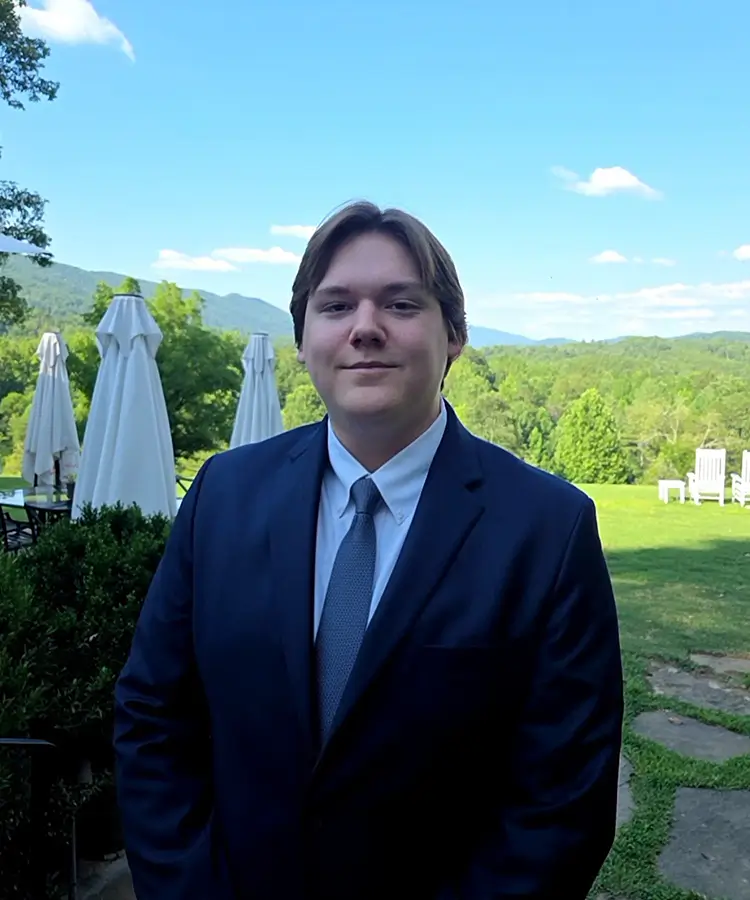
Photo of Clayton Tuggle

Clayton Tuggle

Hometown: Knoxville, Tennessee

Clayton said he chose MC because the College “felt like a place where [he] could actually grow, not just attend,” due to the small class sizes and close connections with professors. Soon after enrolling, he worked with peers and faculty to establish the MC Neuroscience Club.

He wants to pursue a career in the medical or psychiatric fields and chose the Neuroscience major because the field provides “explanations for every behavior, feeling and thought we have,” he said, adding that each class “blows his mind.” A recent recipient of the 2025 Appalachian College Association’s Ledford Scholarship, Clayton received funding for his summer research project on traumatic brain injuries and co-occurring psychiatric conditions.


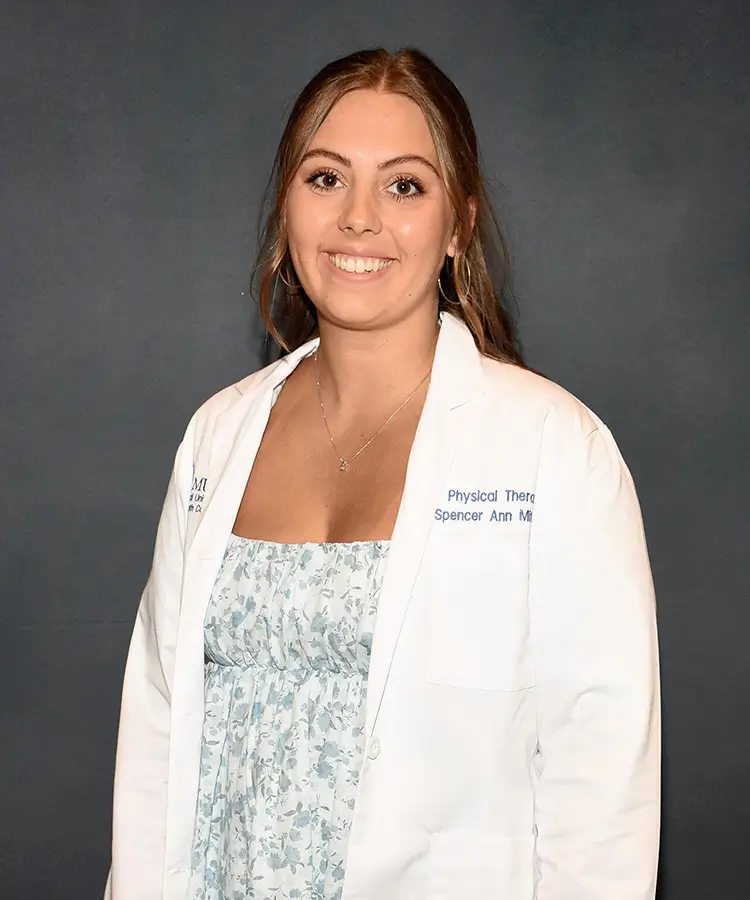
Photo of Spencer Ann Mitchell

Spencer Ann Mitchell Wheat ’21

Currently: Pediatric Physical Therapist for Prisma Health/
Blount Memorial Hospital in Maryville, Tennessee

An interest in traumatic brain injuries and personal experience in concussions inspired Spencer Ann, a standout on the Scots’ soccer pitch, to double major in Neuroscience and Exercise Science. Her academic background allowed her to stand out in graduate school applications. She was admitted to the Medical University of South Carolina’s Doctor of Physical Therapy program and graduated with her DPT in 2024.

Spencer Ann credits caring professors, interning at a PT clinic and the Senior Study requirement for preparing her for the rigors of a physical therapy program. “Designing and carrying out an experiment for my senior thesis gave me a leg up in the research portions of my program,” she said.


Chad Schrock
Dr. Chad Schrock
Professor of Psychology
View More
Jeff Kelly
Dr. Jeff Kelly
Assistant Professor of Neuroscience
View More
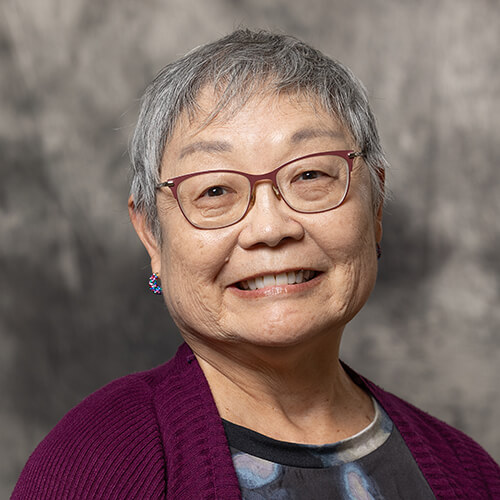
Kathie Shiba
Dr. Kathie Shiba
Professor Emerita

A major in neuroscience can lead to careers in neuroscience, neuropsychology, health fields, speech pathology, and gerontology. Advanced degrees are required for many of these fields, but entry-level jobs include research assistant and data analyst, therapy/program assistant in rehabilitation clinics, activities/program director in rehabilitation or assisted living organizations, and pharmaceutical sales.

Graduate School Placements:

Boston University
Colorado State University
Eastern Kentucky University
George Mason University
Georgetown University
Georgia Tech
Medical University of South Carolina
Scranton University
University of Tennessee
Vanderbilt University

Blount Memorial Hospital
Be Aware Blount
Cherokee Health Systems & University of Tennessee for the Autism Training Initiative
University of Tennessee Hearing and Speech Center
Remote Area Medical
Cornerstone of Recovery
Local schools and special education

Students successfully completing the program of study will have achieved:

  • Articulates relationship among brain, mind, and behavior
    1. Demonstrates understanding of nervous system anatomy and physiology, both at cellular and organismal levels
    2. Demonstrates understanding of biological basis of behaviors, such as states of consciousness, motivation, emotion, and effects of psychoactive drugs
    3. Demonstrates understanding of biological basis of pathological conditions of the nervous system
    4. Demonstrates understanding of interdependent nature of the sciences that comprise neuroscience
  • Critically reviews, analyzes, and effectively communicates neuroscience research
  • Demonstrates ability to solve problems using the scientific mode of inquiry
  • Demonstrates understanding of ethical and societal implications or challenges in neuroscience research
  • Demonstrates knowledge of basic psychological terminology, concepts and theories
  • Demonstrates understanding of social, developmental, and cognitive processes that influence or are influenced by physiological processes


The Bachelor of Science degree in Neuroscience consists of 63 credit hours and is not open to students majoring in Psychology.

Required courses include:

Major and Major-Related Courses

NSC 244: Introduction to Neuroscience (3 hrs)
NSC 248: Drugs and Behavior (3 hrs)
NSC 402: Advanced Neuroscience (3 hrs)
NSC 351: Senior Study I (3 hrs)
NSC 352: Senior Study II (3 hrs)
PSY 101: Introductory Psychology (3 hrs)
PSY 222: Adult Development and Aging (3 hrs)
PSY 299: Contemporary and Professional Issues in Psychology (2 hrs)
PSY 311: Research Design (3 hrs)
PSY 312: Experimental Psychology (4 hrs)
PSY 314: Cognitive Psychology (4 hrs)
PSY 327: Sensation and Perception (4 hrs)
PSY 331: Abnormal Psychology (3 hrs)
BIO 113: Principles of Organismal Biology (4 hrs)
BIO 115: Principles of Cellular Biology (4 hrs)
CHM 121: General Chemistry I (4 hrs)
CHM 122: General Chemistry II (4 hrs)
MTH 222: Regression Analysis (3 hrs)

One of the following:

PHL 205: Early Modern Philosophy from 16th to the 18th Century (3 hrs)
PHL 206: Enlightenment & Late Modern Philosophy 18th-20th Century (3 hrs)
PHL 207: Contemporary Philosophy (3 hrs)
PHL 211: American Philosophy (3 hrs)
PHL 249: Selected Topics (1-4 hrs)

A double major in Neuroscience and Psychology is not permitted.

In addition to required courses for majors and minors, Maryville College students take classes in the Maryville Curriculum, a core program of general education. Consisting of 51 credit hours, the Maryville Curriculum ensures that students see their major in a wider context and develop the basic communication, quantitative, and critical thinking skills that are needed for success in college and career.

Apply
Faculty & Staff
Chad Schrock
Dr. Chad Schrock
Professor of Psychology
View More
Jeff Kelly
Dr. Jeff Kelly
Assistant Professor of Neuroscience
View More
Kathie Shiba
Dr. Kathie Shiba
Professor Emerita
View More

Request Info

Interested in this Program of Study at Maryville College? Submit your basic information and an Admissions counselor will contact you shortly to answer any questions you might have.

Loading…