From curing people to curing pork: Dr. Darrell Benton ’05 returns to the family business that bears his name — Benton’s Smoky Mountain Country Hams
Feb. 16, 2024
It’s a distinctive smell when Dr. Darrell Benton ’05 returns to the Maryville College campus, his tall and lean frame, firm handshake and easygoing grin accented by the aroma of smoked meat.
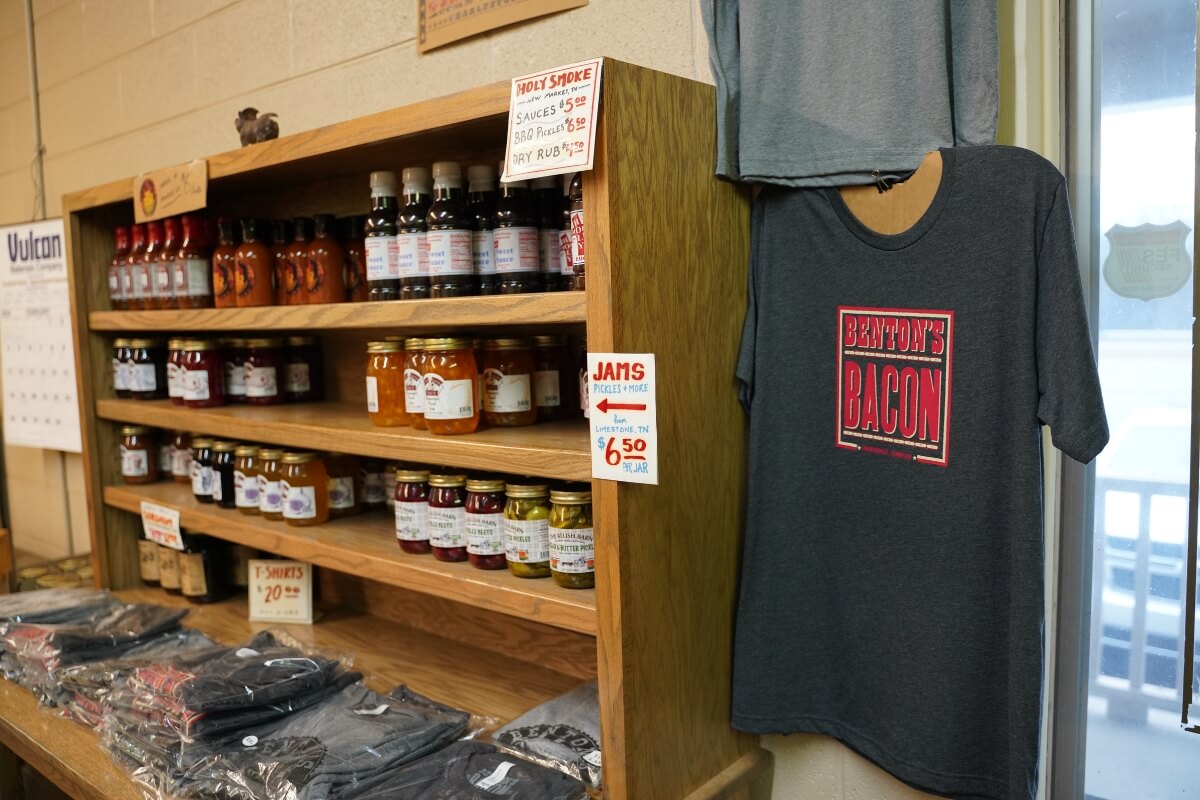
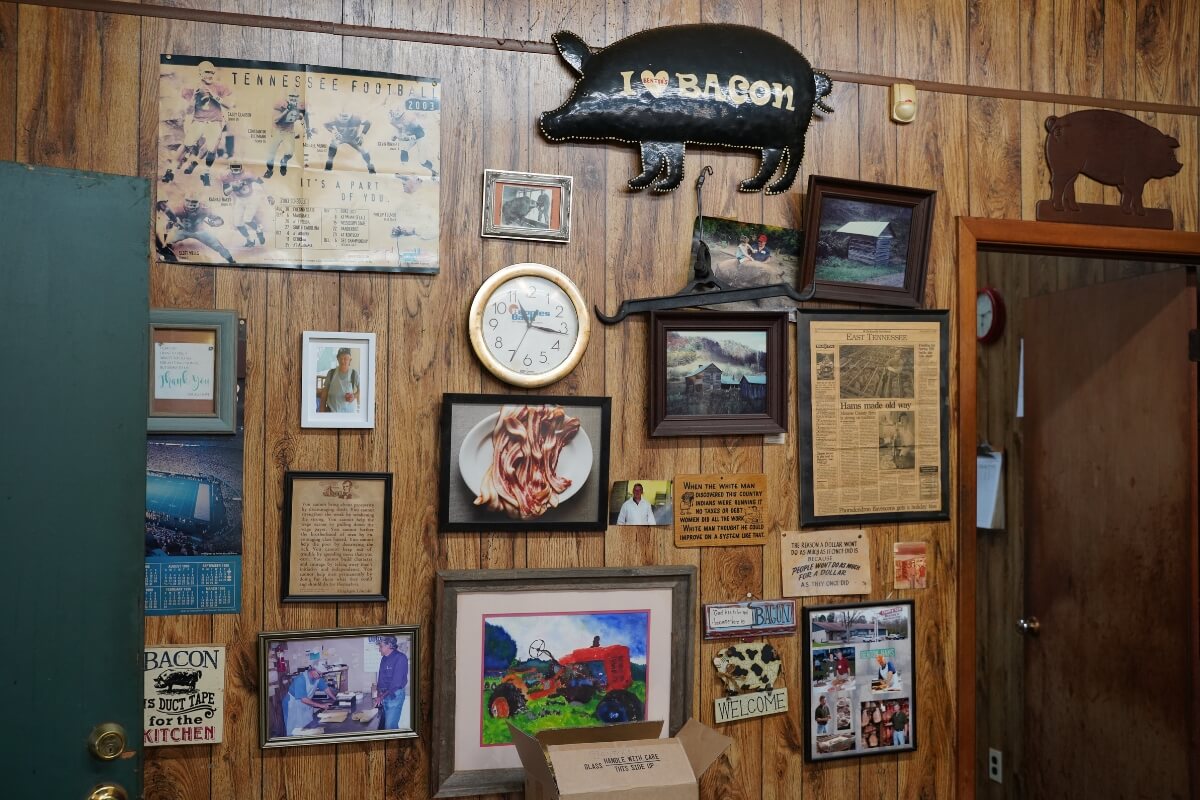
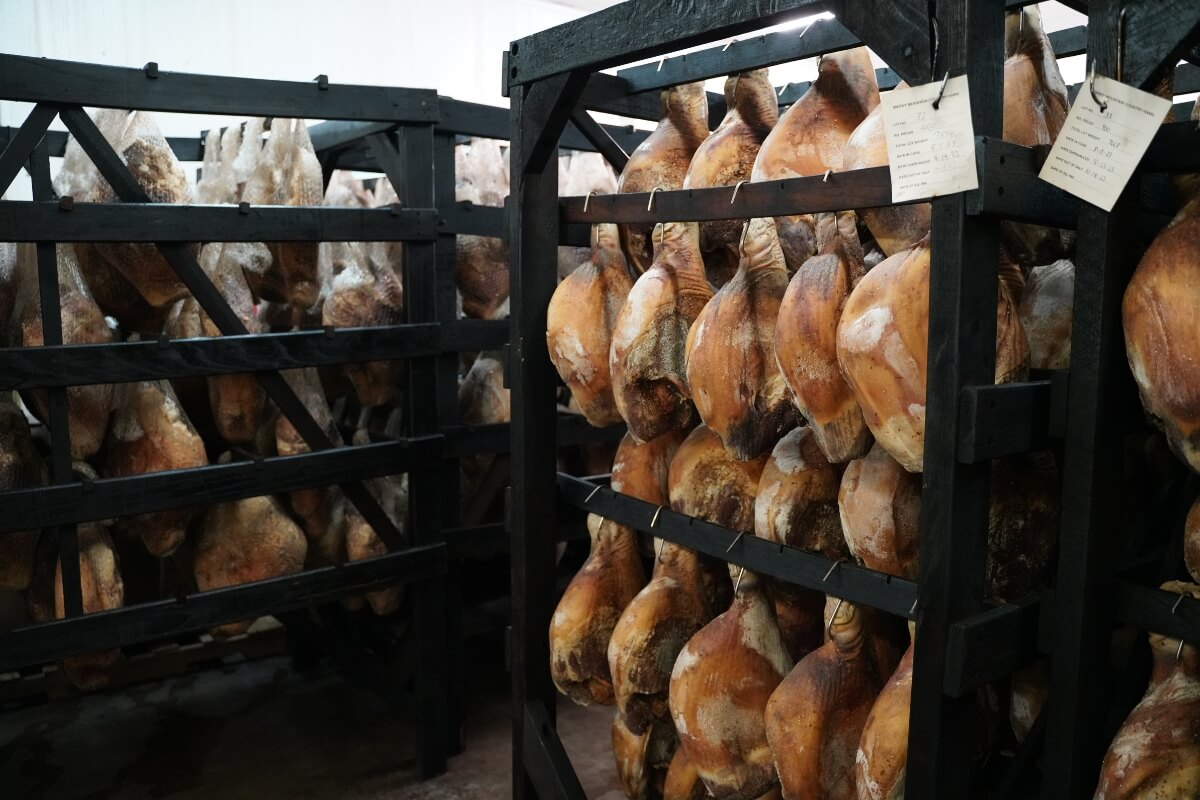
It clings to his jacket, he admits with a chuckle, serving as a calling card, of sorts, for the family business to which he’s recently returned: Benton’s Smoky Mountain Country Hams, a family-owned establishment that his father took over in 1973 and one that, 20 years ago, Darrell wanted to escape.
“I grew up in the ham business, and I worked there from the time I was a kid — 7 or 8 years old — and I worked there all through school and some in college,” Benton says. “By the time I hit college, I had done it my whole life, and I was ready to do anything but cure country ham. I felt called into medicine, so I went down that track.”
A few years into his radiology residency, however, he began to notice something curious: That familiar smell, the one that reminded him of home and his father, was missing. A scentless lab coat had become his wardrobe of choice, and the day-to-day variety of working with a colorful cross-section of East Tennesseans had been replaced by charts and MRIs and X-rays in which he still found value, but just weren’t the same.
Until finally, he decided last year, it was time to come home.
“I felt like I was fighting it for years, and I had spent all this time and undergone all this training to work in medicine, but eventually, I came to a point where I couldn’t fight it anymore,” he says. “It was in my blood, and I knew I’d be happier being in the family business. And that’s the truth: Ever since coming back, I’ve been the happiest I’ve ever been. I wake up every day, literally excited to go in the shop and work.”
Following in the footsteps of siblings
Growing up, pork occupied Allan Benton’s time. He started out as a high school guidance counselor, but with a family to support, he went back to his roots and took over an operation in Madisonville, Tennessee, just up the road from Maryville College. The owner, who had established it in 1947, was retiring; Allan Benton bought him out, and Benton’s Smoky Mountain Country Hams grew out of Allan’s childhood upbringing on a rural Virginia farm. Using a cure recipe he learned from his grandparents, he slowly and steadily turned the Benton’s brand into a world-recognized commodity that’s now featured in high-end and four-star restaurants around the world.
In the beginning, though, it was hand-to-mouth, Darrell recalls.
“Really, the first 25 or 30 years he was in the business, he was struggling to keep the lights on and the doors open,” he says. “He was out there seven days a week working long hours, and I got very little time with him. That’s another reason I wanted to go back to the business, because going back now is like getting a second chance with him.”
Regional recognition came first, through the East Tennessee resort Blackberry Farm and the locally owned Knoxville-based restaurant The Tomato Head. Five-time James Beard finalist John Fleer, who now owns and cooks at Rhubarb in Asheville, North Carolina, was the Blackberry Farm chef at the time, and a 2019 Forbes article credits him for introducing it to other internationally recognized chefs. By the time Allan and his wife Sharon’s oldest daughter, Dr. Suzanne Benton ’02, graduated high school, the Benton’s Smoky Mountain Country Hams brand was respectable. His middle child — Elizabeth Benton ’03, a nurse practitioner in Maryville — also went to Maryville College, and their son followed in his sisters’ footsteps.
“I spent four of the best years of my life here,” he says. “I made lifelong friendships, and I got an incredible education.”
And, it’s fair to say, he excelled. During his first year, he was elected class president and remained involved in the Student Government Association throughout the rest of his undergraduate journey. Peer Mentors, the American Chemical Society, Circle K, the Literary Corps, the Technology Advisory Committee, worship leader with Baptist Campus Ministries … it’s little wonder that he was named the Maryville College 2005 Outstanding Senior during the 2005 Academic Awards Ceremony.
The essay he wrote as a finalist for the annual honor was prescient of the path his life would take: “… like my time as a student at Maryville College, I would like to be active in leadership and service roles and flourish as a contributing member of my community,” he said at the time. After graduation, he returned to the family business for a year before moving to Northeast Tennessee for medical school at East Tennessee State University.
While there, he was elected to the Alpha Omega Alpha medical honor society, and after four years, he entered his residency for radiology at the University of Tennessee Medical Center in Knoxville, where he was named chief resident. In 2011, he married his Scots sweetheart, Meghan Noble Benton ’05, and pursued a fellowship in musculoskeletal imaging at Wake Forest University in Winston-Salem, North Carolina. Afterward, he returned to UTMC as an attending physician, where he worked for a period of time before joining Abercrombie Radiology in Knoxville, first established in 1925 and now one of the most reputable radiology practices in the state.
By that point, however, he was missing the smell of cured meat and the physical work of his childhood more than he ever thought he would.
Going back home
“It was hard work,” he recalls. “I remember around Christmas time, it was always our busiest time of the year. When I was a kid, my father had two employees other than himself, so there was so much hands-on labor that was needed. Oftentimes in October, November and December, he would be out there until midnight, packing bacon and ham and making sausage and shipping orders.
“Being a small business isn’t easy, even today. There are a lot of challenges, and it can take a lot of your time. And as a kid, it wasn’t super fun.”
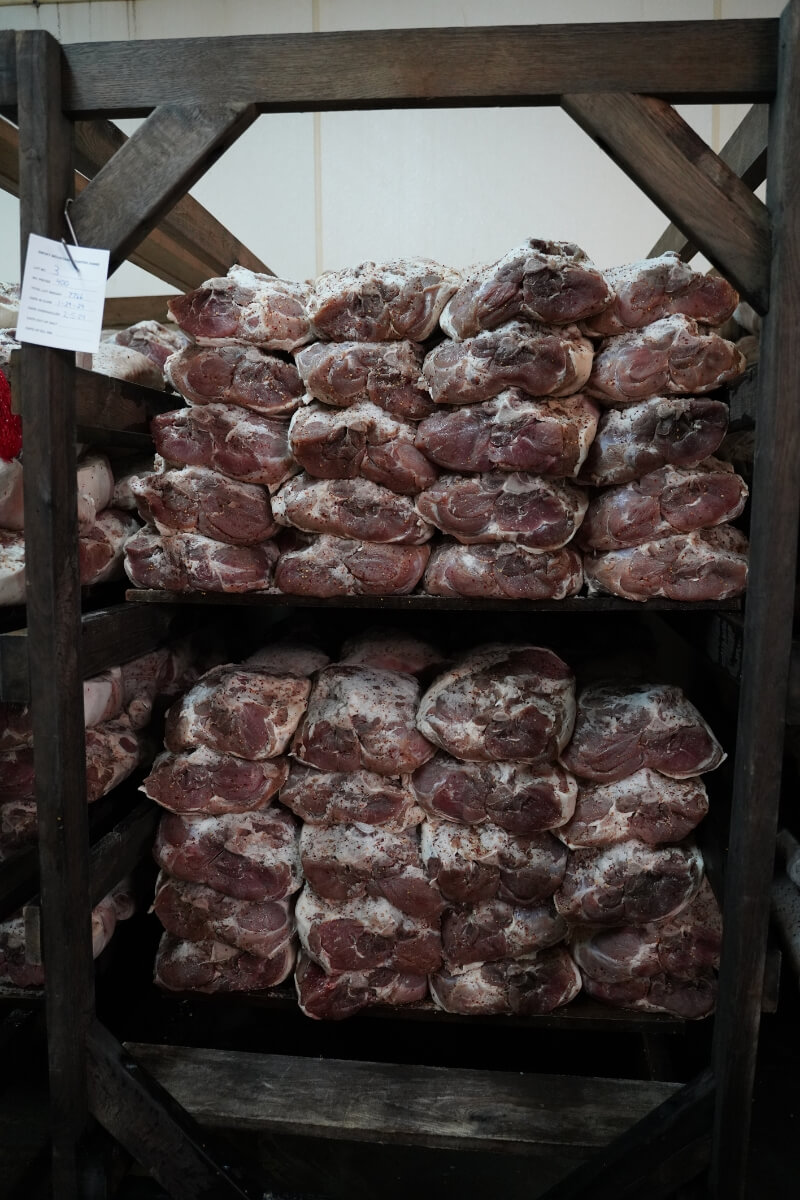
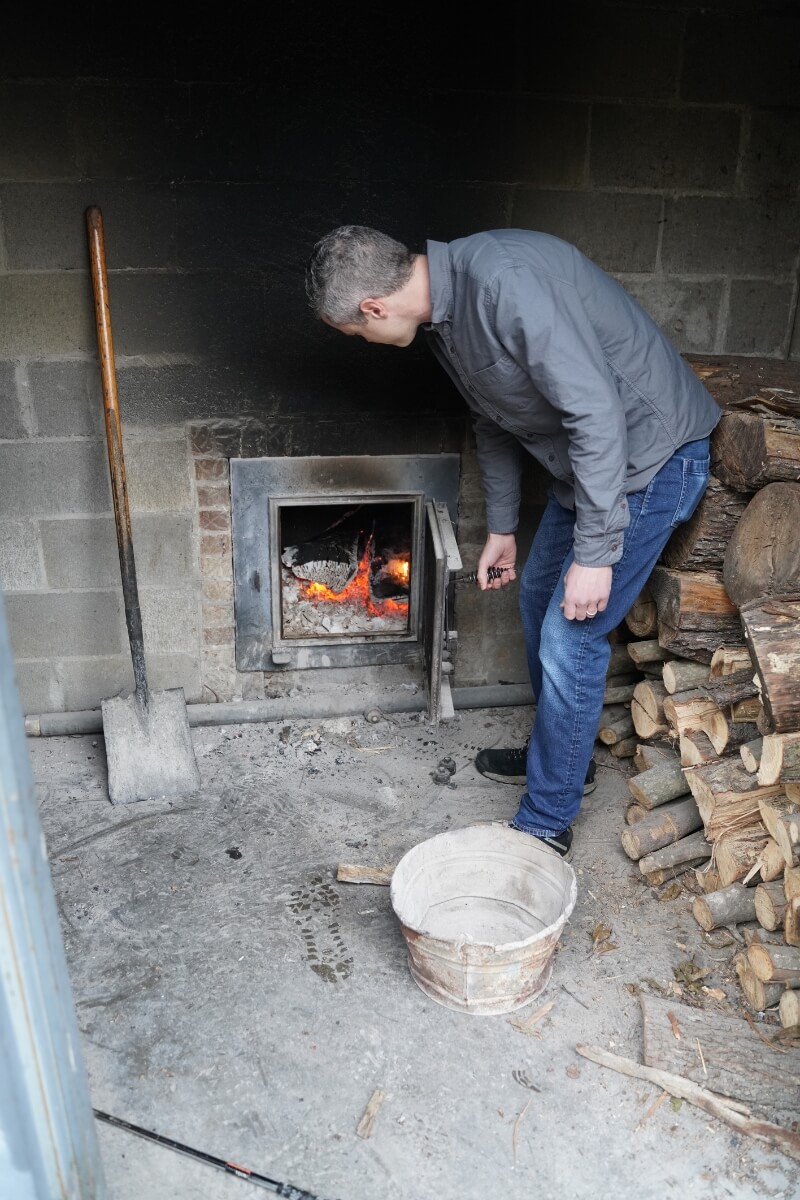
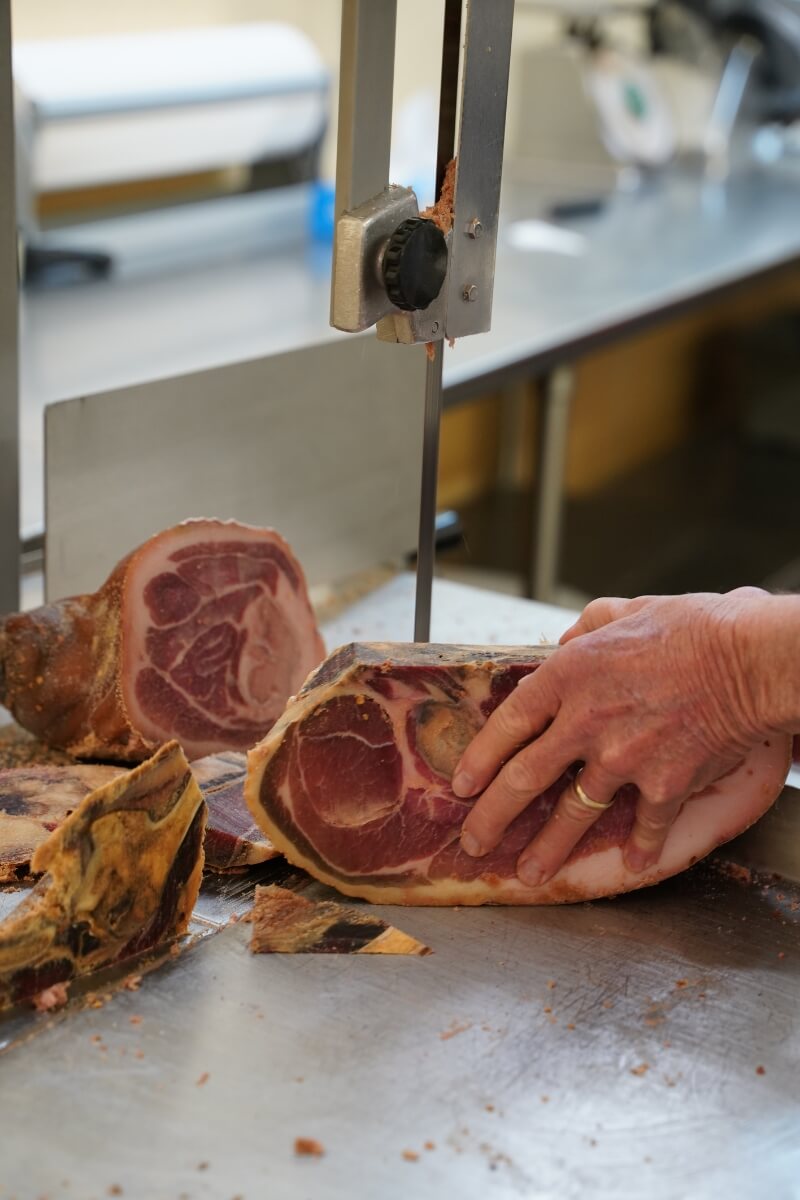
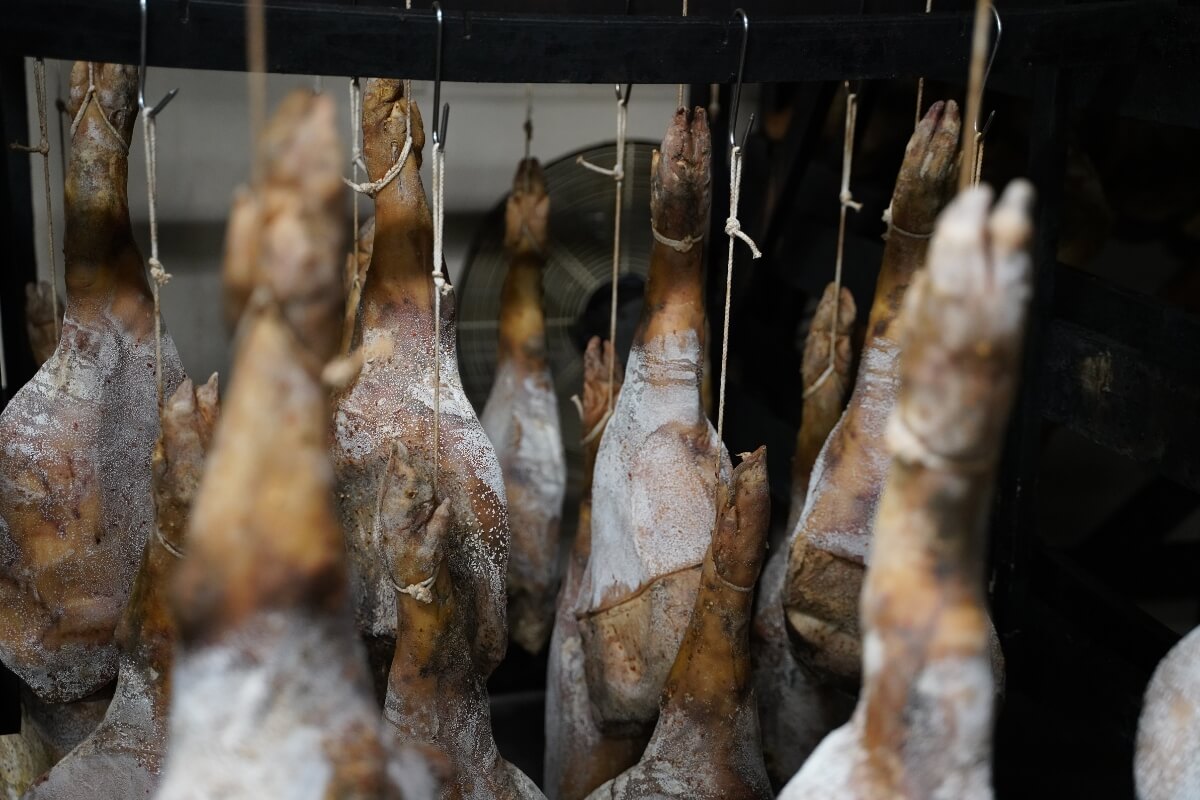
But … there was an authenticity to it, a deep and abiding connection to a way of life passed down through generations and still so much a part of the community in which he grew up. The autumn labor was born out of necessity, when farmers and livestock owners who worked the land when East Tennessee was still considered the frontier would butcher their hogs and cure the meat over the holidays, using some combination of salt, sugar and pepper to prevent spoilage and decay. Hanging hams and slabs of butchered hog in smokehouses lends it a distinctly smoky flavor, and by spring, families had preserved meat to sustain them through the next slaughter.
It was in the fall, Darrell says, that he began to miss it the most. Not that medicine wasn’t rewarding, but the pull of his family’s legacy was a strong one.
“With radiology, there were some incredible parts of it, and I really enjoyed being a doctor and working with people and helping them with procedures like breast biopsies, joint injections, lumbar punctures and things like that,” he says. “But most of my day was spent sitting in small dark rooms, looking at computer screens, reading X-rays, MRIs and charts. I felt like I wasn’t able to talk to people.”
The more he talked to Meghan and his father, the more drawn he felt to return to Benton’s Smoky Mountain Country Hams. His dad, he adds with a chuckle, didn’t push him.
“If anything, he tried to talk me out of it,” he says. “He knew I had a sweet gig as a radiologist with lots of time off that was always scheduled. I mean, I knew I’d have 12 weeks a year of vacation. My dad, meanwhile, has probably taken five or six vacations total in his entire life.
“When I finally decided to do it, I think a lot of people thought I was crazy. I mean, people are shocked when a doctor steps away from medicine.”
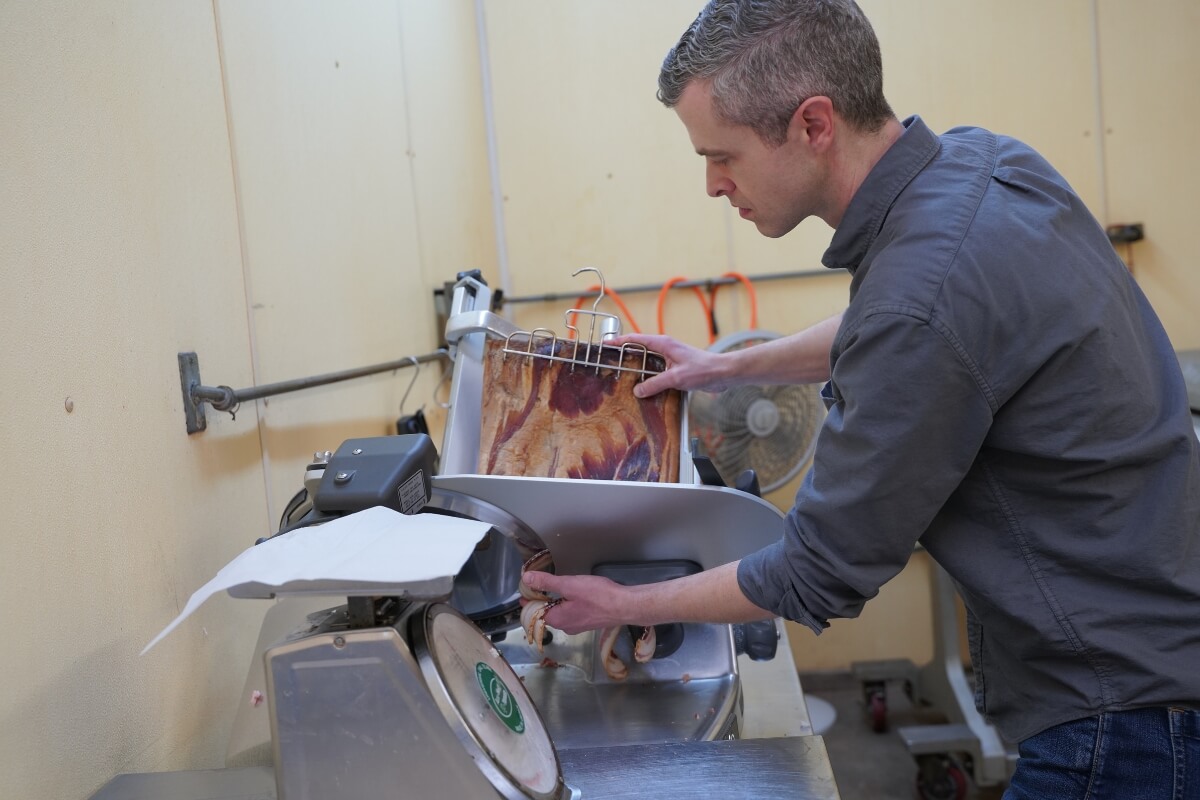
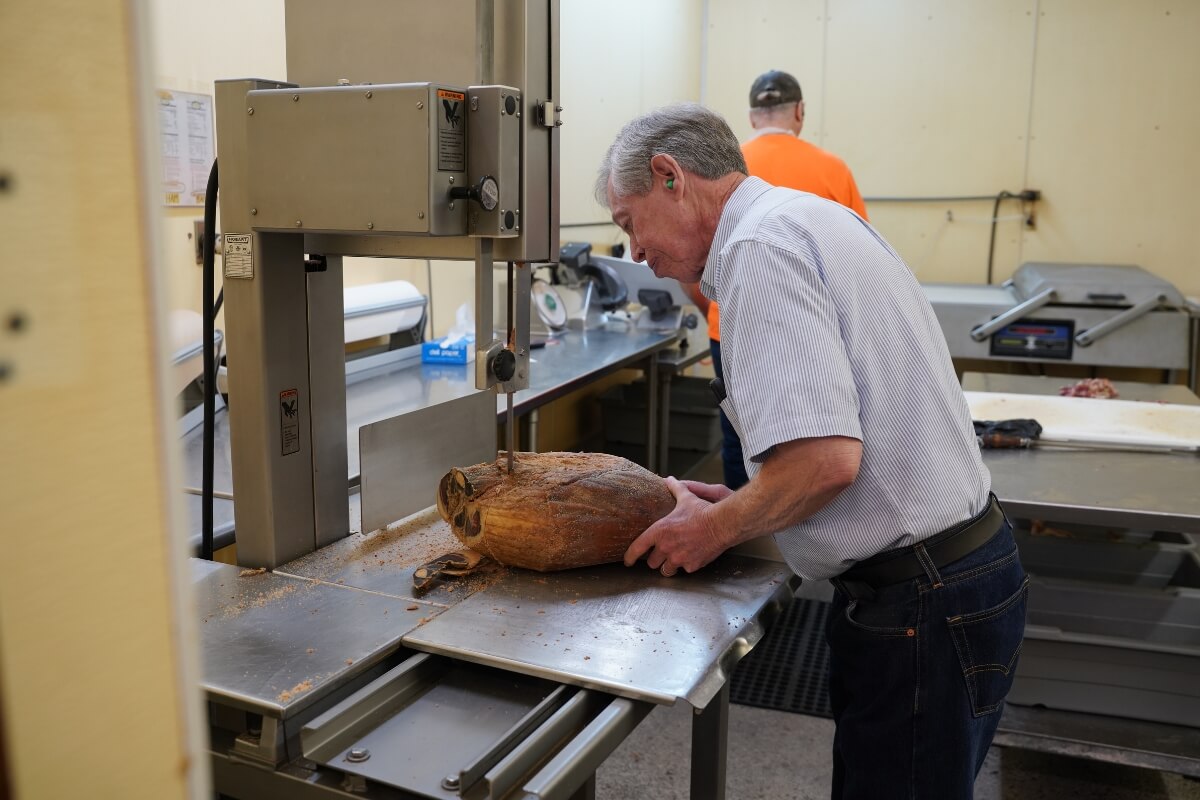
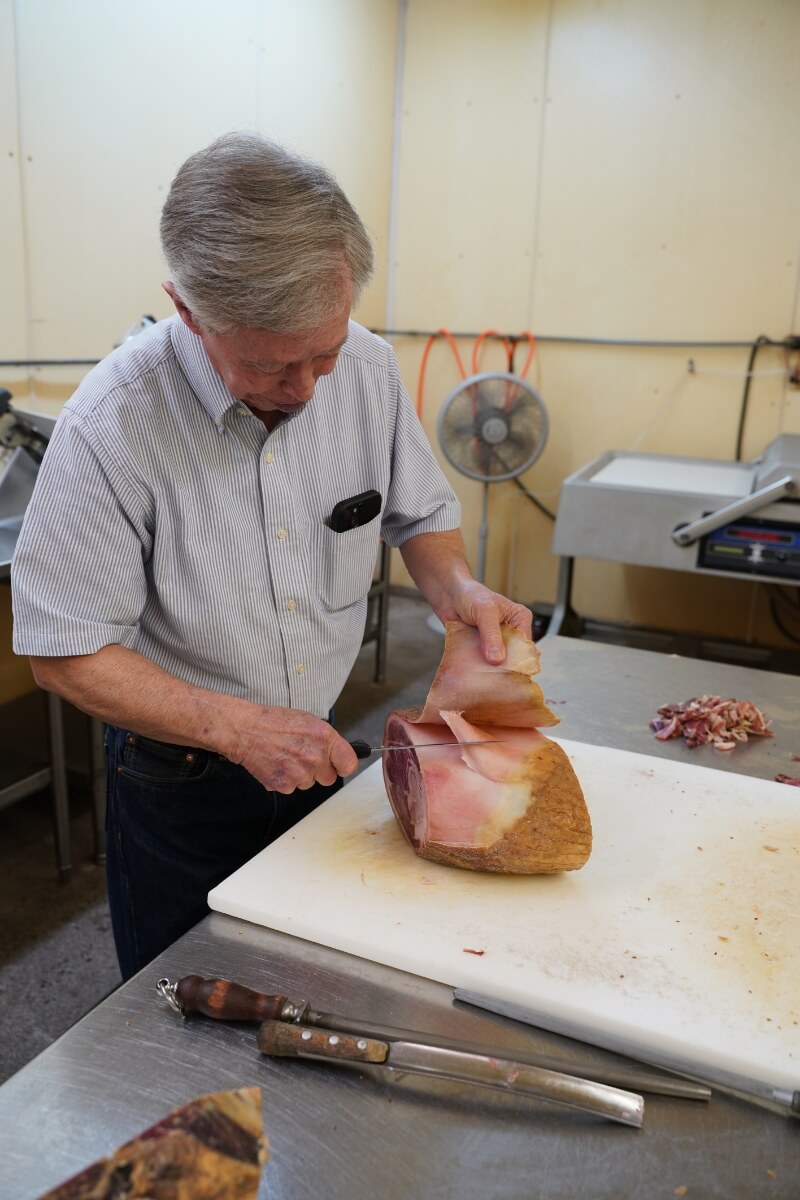
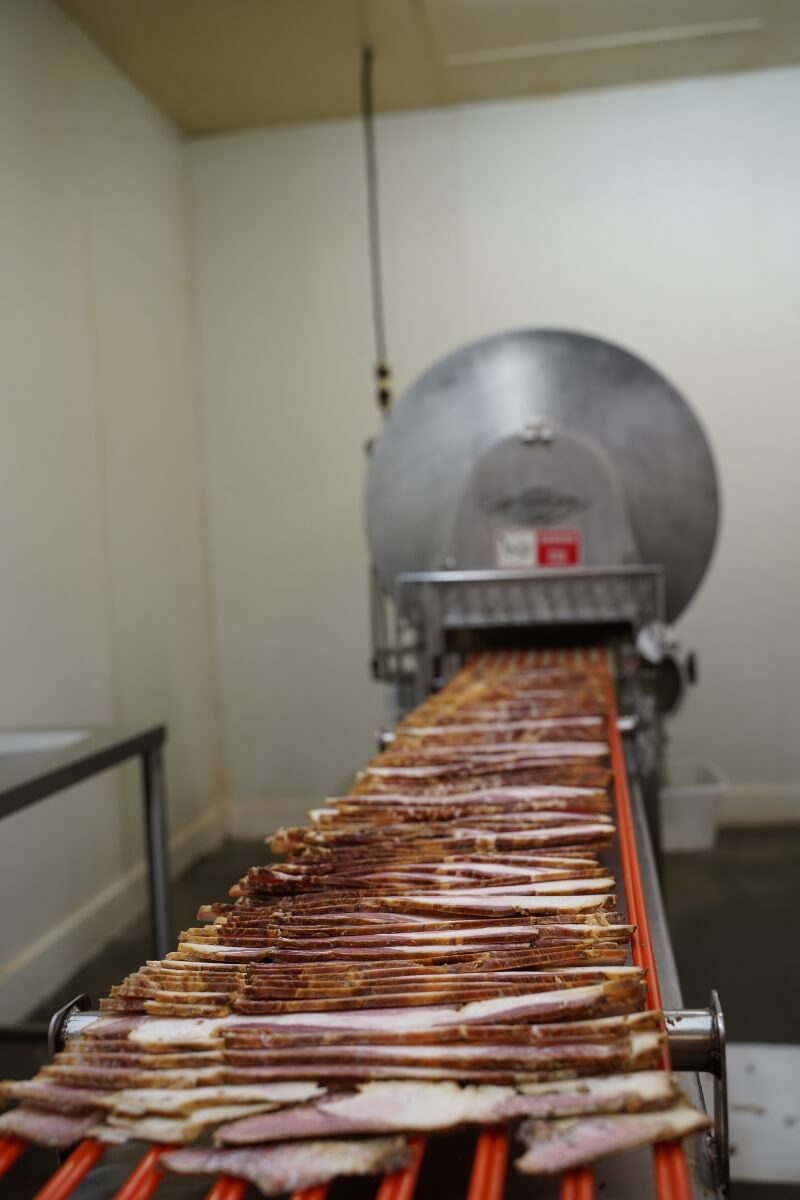
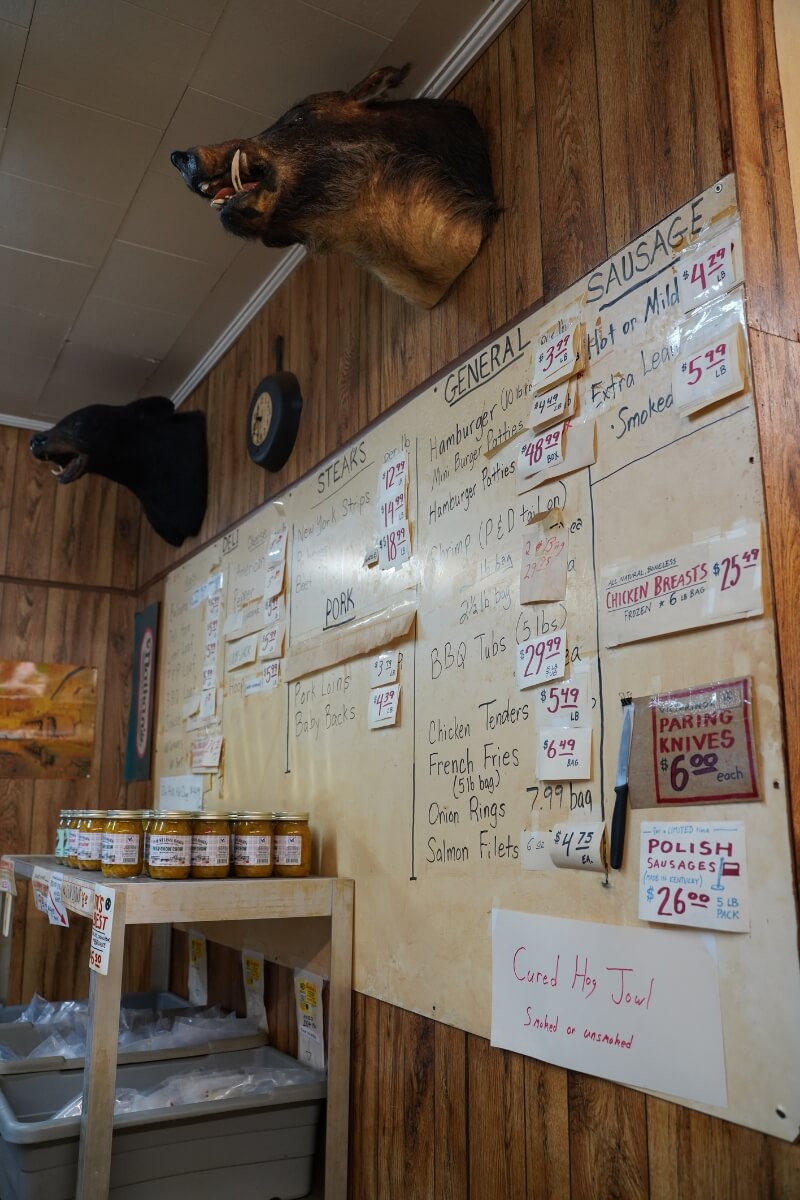
Stepping back into the shop, however … a nondescript building on the side of U.S. 411 that smells like porcine bliss every time the door opens … he didn’t doubt for a second that he’d made the right decision. After all, he points out, his Maryville College education prepared him for anything.
“That’s the thing about a liberal arts education: You’ve got a broad knowledge base, and by being a part of the diversity here in terms of the students you go to school with, you learn how to develop relationships and how to connect with people from all backgrounds,” he says.
And that, he adds, just might be the best part of the job. Within the span of a single afternoon, he may be hashing out a curing schedule with a local farmer in muck boots and overalls and a thick Southern accent as familiar and comfortable as his smoke-scented jacket … and then a few hours later discussing cuts of meat with a James Beard Award-winning chef looking for the perfect pairing of pork for his restaurant in some far-flung city.
It’s as rewarding as anything he’s ever done, he says, and he’s grateful to have returned home.
“If I could tell the students of Maryville College anything, it’s this: Do what makes you happy, and be open to other possibilities,” he says. “Have a goal, but be open to the possibility that if something better comes along, it’s never too late to change that. I did four years at Maryville College, four years of medical school, five years of residency and a year of fellowship to work in medicine … and I wouldn’t change a thing. It was rewarding, but I just knew it was time to do something else.”