


Maryville College Assistant Professor Christina Seymour pens ode to the tessellated darter in national journal poem
March 5, 2025
There is, at Maryville College, an expectation of excellence when it comes to the education students will receive.
The faculty members who provide it rise to the occasion, year in and year out. Their classroom commitment is steadfast, but it’s only part of the work that they do. They’re scholars as much as they are teachers, and their work outside of the classroom not only provides intellectual stimulation of the things they teach within it, it also enhances the reputation of MC as a place of academic rigor, populated by educators who routinely submit work to publications across the academic spectrum.
Throughout the course of the 2024-25 academic year, a number of Maryville College faculty members have been recognized for their contributions to academia. This is part four of a six-part series spotlighting those individuals and their accomplishments.
Christina Seymour
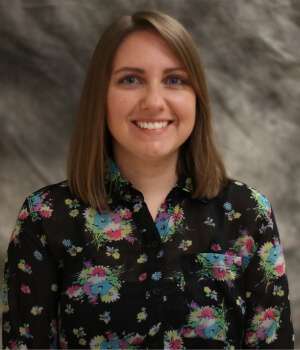
A Literary Field Guide to Northern Appalachia is billed as “a collection of art and poetry that celebrates the wonders of the Appalachian mountains,” but it might seem a leap to contribute a poem about bait.
But that’s exactly what Christina Seymour, an associate professor of Writing/Communication at Maryville College, did. When editors Todd Davis and Noah Davis set out to assign each contributing author a plant or animal as the subject or inspiration, the tessellated darter was one that seemed to get no love, Seymour said, and so she volunteered to take it. The result is a poem titled “Except As Bait.”
“The poem is about the tessellated darter, which is a fish of the Northern Appalachian region,” Seymour said. “In doing research about the fish, I found that despite its interesting fins, shape and habitat, it is deemed as no value ‘except as bait.’ I thought about how a being could be seen as bait and how that connects to our exploitative relationships with the animal world.
“I also love the poem ‘The Fish’ by Elizabeth Bishop and took some inspiration from it. In writing nature poems, it is impossible to capture the lived experience of being alive among the beings in a unique ecosystem, so I appreciate this poem’s focus on how the speaker lives among the fish, humanizes the fish and sees a rainbow in it.”
Originally from Altoona, Pennsylvania, Seymour feels a kinship with Northern Appalachia, and the opportunity to share original work with a publication dedicated to that region is more meaningful, she said, than the prestige that accompanies publication.
“I tend to not worry much about prestige but the meaningfulness of the project, and I think that shows with my previous publications — my collection When is a Burning Tree, published by Glass Lyre Press, the tagline of which is ‘exceptional works to replenish the spirit,’ for example; or my first-ever publication, (http://www.glasslyrepress.com/) and my first publication, ever, with the Wick Poetry Center’s project Speak Peace — American Voices Respond to Vietnamese Children’s Paintings, which did a tour of American libraries and currently resides at the War Remnants Museum in Vietnam,” she said.
As the faculty advisor to the Maryville College literary magazine Impressions, Seymour is honored to lead by example, she said, and her goal is to nurture the “inner poet” she believes exists within everyone. More importantly, she added, the things the “inner poet” wants to say should be nurtured and brought to life.
“So often, I hear people say, ‘I could never write poetry,’ and I tell them not to be ashamed of their inner poet, to let them speak, even if it’s just to themselves,” she said. “For those who have been told by the world that their voice doesn’t matter or isn’t heard, I encourage them to read poems by people like them, or poems that intrigue them on the Poetry Foundation (a U.S. literary society that promotes the art form). Your voice does matter, and it will be heard by someone if you share it.”For more information on Seymour’s poetry, visit her website at https://www.christinaseymour.net/.