


First-of-its-kind Maryville College experiential learning course, ‘Latin America Through Food,’ open for public registration, starts May 5
April 22, 2025
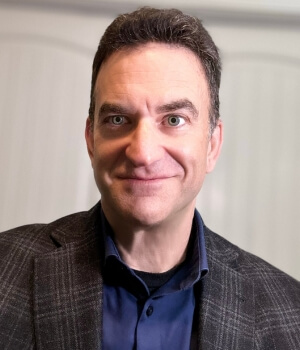
It’s been 13 years since Maryville College History Professor Dr. Doug Sofer taught the experiential course “History and Cultures of Latin America Through Food,” and as he prepares to resurrect it for a May class, he can’t help but reflect on how much has changed.
For one, Blount County’s offerings of Hispanic and Latino cuisine have grown by leaps and bounds over the past decade. For another, his teaching equipment this time around is much more modern, thanks to the kitchen in the new Maryville College Downtown Center. And finally, this time around, the course is open to the public as one of the first opportunities for local residents to experience a class at the new MC facility located in downtown Maryville.
The last time Sofer taught the class, it was held during the January “J-term” period, back when Commencement was held in late May, and a period of two to three weeks between the holidays and the start of the spring semester gave faculty members an opportunity to teach classes off the books that spoke to their own interests and enthusiasms.
“I’m fascinated by the sheer diversity of cuisines in the region of Latin America,” Sofer said. “Like so many other aspects of Latin American cultures, as soon as you think you know something about it, you realize that it’s more complex than you’d assumed. Even the kinds of Mexican food that most folks in the U.S. think they know is so much more regionally varied and complex.
“The entire region — and, in fact, the entire American hemisphere, including the USA — is a fusion of cultural traditions hailing from the indigenous peoples of Americas, from Africa, and from Europe, with a little Asia thrown in too, depending on where you are in our hemisphere.”
Marie Pardi Maze ’15 was a part of that J-term course, and she remembers it as both a challenging and rewarding experience. The Daily Times, Maryville’s daily newspaper, featured the course in the paper’s lifestyles section, and the actual cooking took place in the kitchen of the College’s Facilities Operations building. (Relocating to the Downtown Center, Sofer pointed out, will be a “major upgrade.”)
“Definitely the thing that stood out about the course was the experiential perspective,” Maze said. “I remember my offerings for J term back then weren’t as exciting, and when I heard of the ‘History of Latin America through Food,’ I signed up immediately. I think I paid $150, and I remember thinking it was completely worth it for the visits to local taquerias that we would make throughout the week.”
Class visits will again take place this time around, Sofer added, at least to one local establishment: La Lupita, a market and taqueria in Maryville’s Eagleton Village community that’s a gathering spot for local Hispanics, as well as a store that sells ingredients and goods that are normally only found south of the border. Maze remembers purchasing the ingredients for the sauce known as mole — something she lacked appreciation for after preparing it (“Like, there’s chocolate in it?!?” she recalls thinking) — and hand-making tortillas as well.
“The course was iconic,” she said. “Taking a bunch of college students on trips around Maryville and Knoxville to try different local Mexican dishes and exposing them to a world beyond arroz con pollo (a Latin American one-pot chicken and rice dish)? Amazing! I have a memory of us all sitting around a table, drinking Sangria (Señorial) sodas and talking about how people are afraid to try new things that they don’t understand.”
And now, students and local residents alike can try those things. Community members interested in auditing this course, which will take place May 5-30, should contact Sofer, and those who sign up will come away with “a few critically important conclusions,” he added.
“First, that these are incredibly sophisticated cuisines and flavor profiles. Second, that each country has very different culinary traditions from each other; even if there are a few things in common (say, arroz con pollo dishes pretty much everywhere), Latin American foods are more different from country to country and region to region than most folks realize,” he said. “And last, it’s important to understand how these different foods came to be — how they’re part of historical processes which date back to some of the earliest indigenous empires of central Mexico and the Andes and beyond; to West African societies and the peoples of those places; and to the Iberian peninsula in Europe and traditions dating back as far back as ancient Roman times.
“It is in the Americas where these foods come together in different ways at different times and become something new, amazing and delicious.”
And, all things considered, relatively inexpensive. Members of the public can audit a Maryville College course for $75 per credit hour; given that “History and Cultures of Latin America Through Food” is a three-hour credit course, the price for locals interested in auditing it is $225, plus an additional $130 charge to cover the cost of ingredients. The class will meet from 9 a.m. to noon Mondays through Fridays, beginning Monday, May 5 and ending on Friday, May 30.
Despite the time that’s passed, Sofer’s syllabus still holds up well, he said, and while the texts and readings will be updated, the structure of the course will remain the same: A week focused on regional cuisines of Mexico; a week on the foods of the Caribbean; and the final week on foods from the continent of South America. There will be fewer field trips than the last time, but more cooking, given the amenities offered by the Maryville College Downtown Center’s teaching kitchen.
It’s enough to make Maze wish she could return to her alma mater and take it again.
“I would encourage everyone to take the class,” she said. “It’s about more than food — that small class becomes your community as well. You get to try new things with a family of other people, and unless I’m an outlier, you’ll remember it for at least 13 years after. You’ll hand press tortillas and stir a pot of mole, try food you never even considered ordering before, and you will have learned something cool and new about yourself and the world from it.”