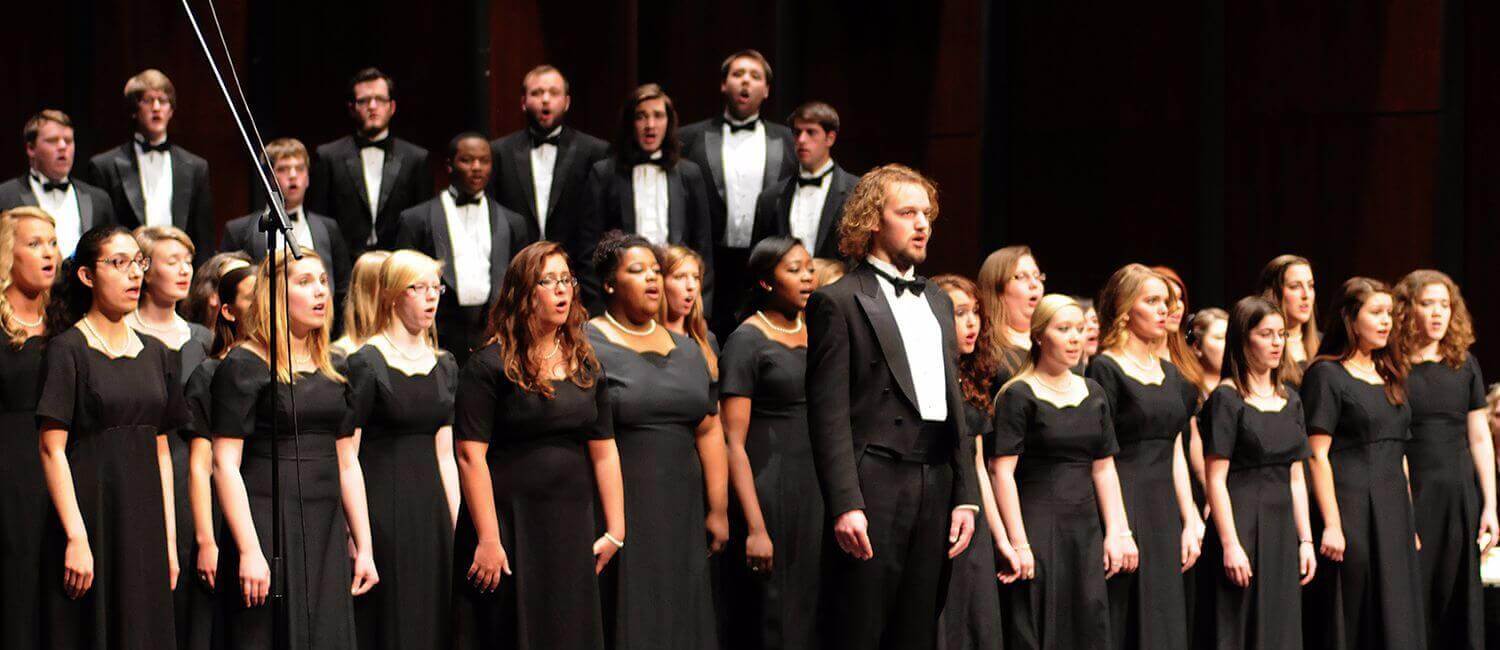
Why study Music at MC?

Located in the new Clayton Center for the Arts, the Maryville College Music Department offers a comprehensive, NASM-accredited music curriculum within the acclaimed Maryville College liberal arts experience. Students will receive expert instruction in music theory, music history, and performance. Our five music majors‚ the Bachelor of Arts in Music, the Bachelor of Music in Music Education (Choral), the Bachelor of Music in Music Education (Instrumental), the Bachelor of Music in Vocal Performance, the Bachelor of Music in Theory and Composition‚ provide ample preparation and flexibility for the pursuit of careers involving music or graduate school.

AUDITIONS AND ADMISSION TO MUSIC CURRICULA

All students intending to pursue a major or minor in music or participate in an ensemble must complete the Music Placement Hearings during Fall Orientation prior to beginning study. Each student will then be counseled into the appropriate courses. All music majors must demonstrate proficiency in basic keyboard skills. Those who lack this preparation upon entering must take Keyboard Fundamentals for 0 credits every term until all five areas of the proficiency requirement are passed. All music majors must pass the piano proficiency requirement before enrolling in Senior Project 351-352.

Admission to a particular curriculum as a music major is conferred by the music faculty after the completion of MUS 102: Music Theory II (3 hrs.) or, in the case of students with advanced standing, after one semester of study at Maryville College. Contact the Chair of the Division of Fine Arts for details.

French or German is recommended as the foreign language choice for singers and students planning graduate work in music.

Cultivating a vibrant environment, the Maryville College Music Department prepares students for lives as creative musicians who will bring imagination, beauty, intelligence, and vision to their communities, thereby becoming cultural leaders in the world.

Scholarships, Awards, & Auditions

The Division of Fine Arts offers several opportunities to both first-year and returning or transfer students based on academic achievement, interest areas, leadership and talent. Learn More about the awards and qualifications >

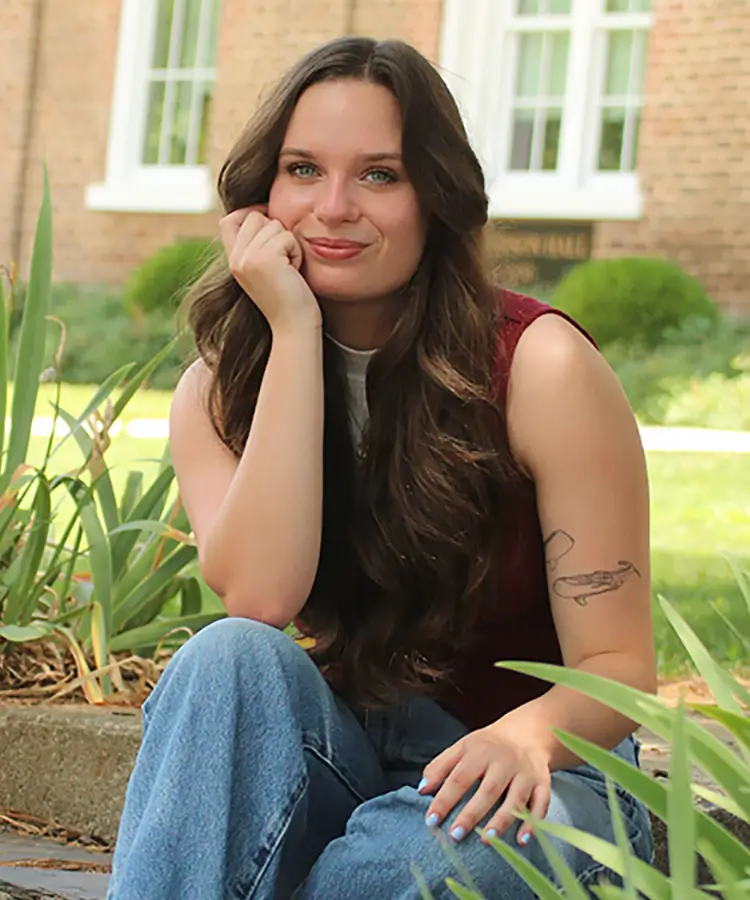
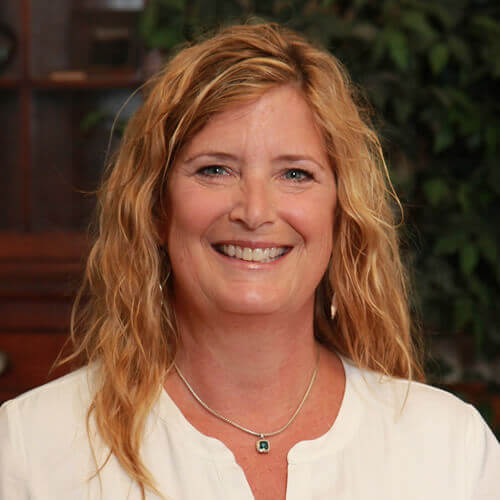
Photo of Dana Patterson

Dana Patterson

Hometown: Greenback, Tennessee
Major: Music Education

Introduced to MC in high school through the All-East Choir program, Dana found a community that shared her love for choir. As a Music Education major, she is inspired by the joy choral music brings—whether it’s a child mastering a new song or a senior reliving a cherished memory.

“Choral music is meant to spread messages and bring all kinds of people together,” she said. “I have seen this throughout my college career, and that is what I love most about my major.” On campus, Dana is active in Concert Choir and the vocal ensembles Off Kilter and Lassies. She also works as a Fine Arts assistant. After graduation, she plans to teach elementary music and later pursue a master’s degree in choral conducting.


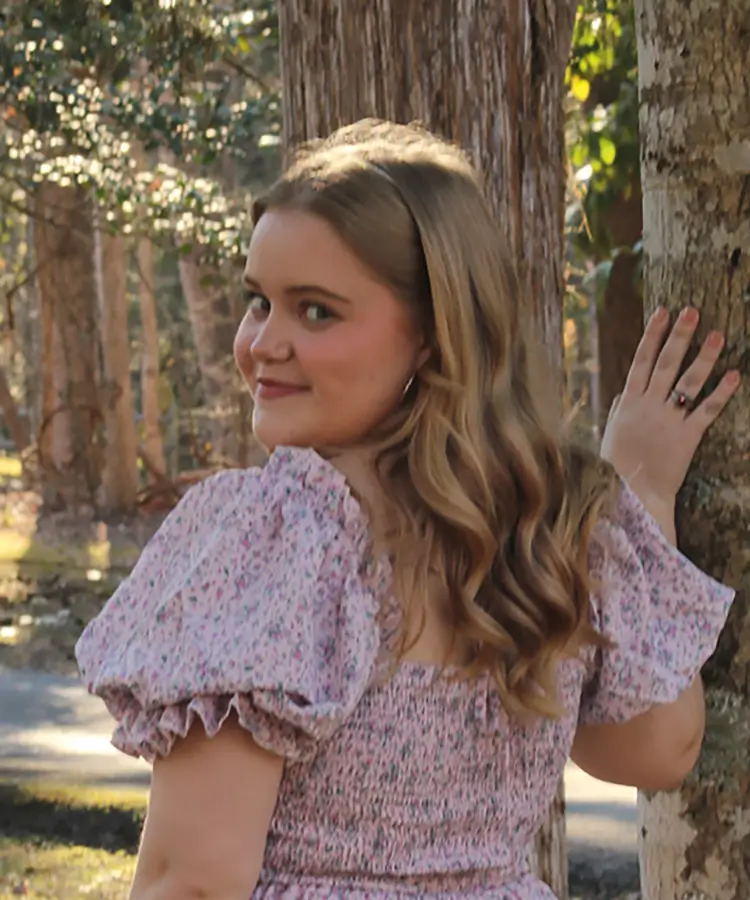
Photo of alumna Elaina Wilson who graduated with a degree in Music-Vocal Performance

Elaina Wilson ’24

Currently: Pursuing Master of Music in Choral Conducting at Florida State University

Growing up in Maryville, Elaina knew she would receive an individualized education at MC as well as robust networking opportunities. Elaina enjoyed the choral/vocal aspects of her track and appreciated the expertise and guidance of instructors who helped her grow in her vocal journey and in her teaching experience. She wants prospective students to know that “MC has an amazing student body, staff, and faculty who truly want what is best for everyone.”

Now enrolled at Florida State, “one of the top music schools in the country,” Elaina said, she will be working as a graduate assistant while pursuing her M.M. degree in choral conducting. “I’ll be conducting the vocal jazz ensemble, but I’ll get to conduct a few groups during my time here.”

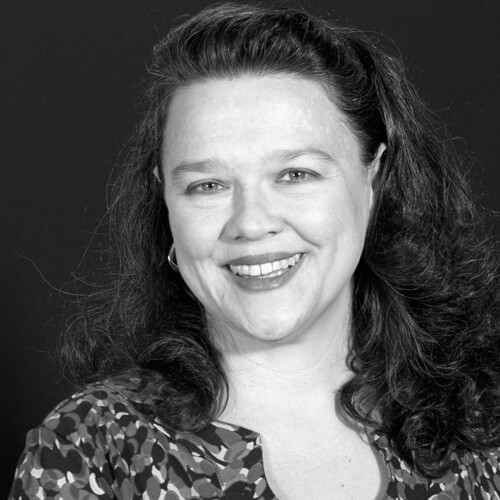
 

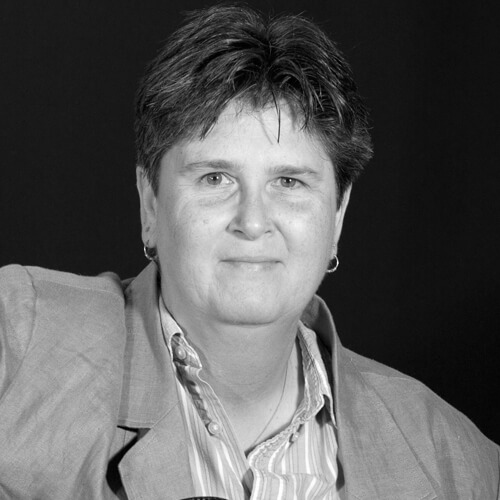
Professor of Music; Chair of the MC Core Curriculum
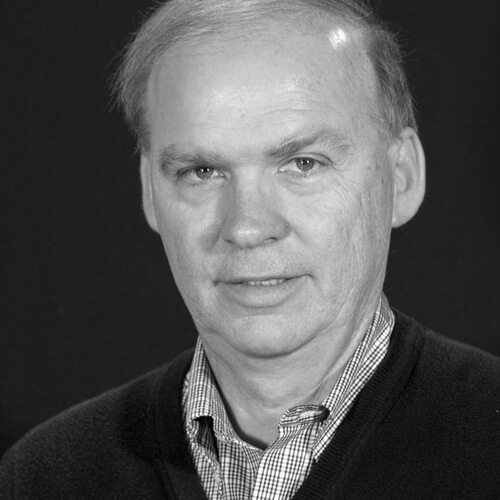
Dr. William Swann
Professor of Music; Chair of the MC Core Curriculum
More Info
Adjunct Instructor of Music, Piano/Keyboard and Oboe
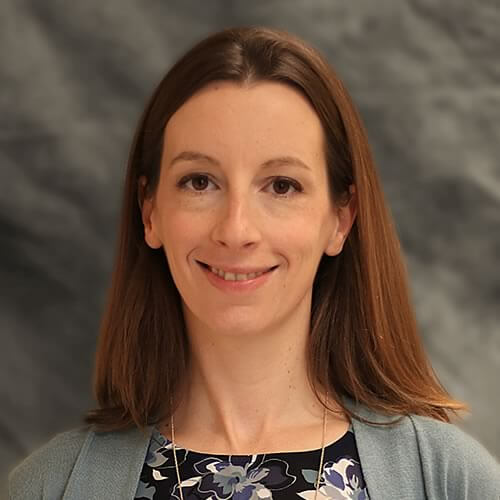
Rachel Acuff
Adjunct Instructor of Music, Piano/Keyboard and Oboe
More Info
Adjunct Instructor of Music, Percussion
Bob Adamcik
Adjunct Instructor of Music, Percussion
More Info
Professor Emeritus of Music, Adjunct Instructor of Piano
Dr. Robert Bonham
Professor Emeritus of Music, Adjunct Instructor of Piano
More Info
Adjunct Instructor of Music, Organ and Harpsichord
Ashley Burell
Adjunct Instructor of Music, Organ and Harpsichord
More Info
Adjunct Instructor of Music, Trumpet
Sarah Fellenbaum
Adjunct Instructor of Music, Trumpet
More Info
Adjunct Choral Accompanist
Chase Hatmaker
Adjunct Choral Accompanist
More Info
Adjunct Instructor of Music, Trombone
Tom Lundberg
Adjunct Instructor of Music, Trombone
More Info
Adjunct Instructor of Music, Piano/Keyboard
Gina Milligan
Adjunct Instructor of Music, Piano/Keyboard
More Info
Adjunct Instructor of Music, Guitar
Harold Nagge
Adjunct Instructor of Music, Guitar
More Info
Adjunct Instructor of Music, Flute
Dr. Jessica Piso
Adjunct Instructor of Music, Flute
More Info
Adjunct Instructor of Music, Clarinet
RoAnn Romines
Adjunct Instructor of Music, Clarinet
More Info
Adjunct Instructor of Music, Saxophone; MC3 Band Director,
Jay Romines
Adjunct Instructor of Music, Saxophone; MC3 Band Director,
More Info
Adjunct Instructor of Music, Tuba
Jacob See
Adjunct Instructor of Music, Tuba
More Info
Adjunct Instructor of Music, French Horn
Meredith Simpson
Adjunct Instructor of Music, French Horn
More Info
Associate Professor of Music; Director of Bands
Dr. Eric Simpson
Associate Professor of Music; Director of Bands
More Info
Professor of Music
Dr. Sheri Matascik
Professor of Music
More Info
Senior Lecturer in Music, Director of Choral Activities
Stacey Wilner
Senior Lecturer in Music, Director of Choral Activities
More Info

Graduate School Placements

Belmont University
Duke University Divinity School
East Carolina University
East Tennessee State University
Liberty University
University of Iowa
University of Tennessee-Knoxville
Yale Institute for Sacred Music

Students successfully completing the program of study will have achieved the following learning outcomes:

  1. Demonstrate knowledge and skills in music theory, ethnomusicology, and the history of American and Western fine arts music
  2. Demonstrate basic proficiency in keyboard, ear training, improvisation, and use of electronic technology in music
  3. Demonstrate high-quality performance skills in at least one area of applied music, together with a knowledge of repertory
  4. Demonstrate specialized knowledge and skills necessary for professional degrees in performance (piano and voice) and music education (vocal/general and instrumental)
  5. Establish composite knowledge and skills necessary for the pursuit of graduate study and/or a musical career suited to the student’s talents and desires

Students successfully completing the program of study will have achieved the following learning outcomes:

1. Demonstrate knowledge and skills in music theory, ethnomusicology, and the history of American and Western fine arts music


2. Demonstrate basic proficiency in keyboard, ear training, improvisation, and use of electronic technology in music


3. Demonstrate high-quality performance skills in at least one area of applied music, together with a knowledge of repertory


4. Demonstrate specialized knowledge and skills necessary for professional degrees in performance (piano and voice) and music education (vocal/general and instrumental)


5. Establish composite knowledge and skills necessary for the pursuit of graduate study and/or a musical career suited to the student's talents and desires

Required courses include:

Major and Major-Related Courses

The Major in Music for those pursuing the Bachelor of Arts degree requires a minimum of 43 hours including:

MUS 101: Musicianship: Theory I (3 hrs)
MUS 102: Musicianship: Theory II (3 hrs)
MUS 111: Musicianship: Ear Training I (1 hrs)
MUS 112: Musicianship: Ear Training II (1 hrs)
MUS 201: Musicianship: Theory III (3 hrs)
MUS 202: Musicianship: Form and Analysis (3 hrs)
MUS 211: Musicianship: Ear Training III (1 hrs)
MUS 212: Musicianship: Ear Training IV (1 hrs)
MUS 312: History of Music in the United States (3 hrs)
MUS 313: History of Western Fine Arts Music to 1750 (3 hrs)
MUS 314: History of Western Fine Arts Music from 1750 to the Present (3 hrs)
MUS 315: Introduction to Ethnomusicology (3 hrs)
MUS 353: Senior Study (3 hrs)
8 hours of applied music
4 hours of ensemble participation
 

Keyboard proficiency must be demonstrated (ordinarily through MUS KBD). This must be completed before senior study.

The Bachelor of Music is a professional degree, intended for students who plan to pursue a career in some aspect of music. It differs from the Bachelor of Arts degree in its general education core requirements (see General Education in this catalog) and the extent of specialization. As a professional degree, it affords more extensive study in the major field.

The College offers major programs in Performance, Education, and Theory-Composition. All include preparation in theory, aural skills, and music history. Private lessons are a part of each major, as is sustained participation in a musical ensemble. Beyond these common elements, students take specialized courses appropriate to each major.


The Major in Piano or Vocal Performance consists of a total of 78 credit hours.

Required courses include:

Major and Major-Related Courses

MUS 101: Musicianship: Theory I (3 hrs)
MUS 102: Musicianship: Theory II (3 hrs)
MUS 111: Musicianship: Ear Training I (1 hrs)
MUS 112: Musicianship: Ear Training II (1 hrs)
MUS 201: Musicianship: Theory III (3 hrs)
MUS 202: Musicianship: Form and Analysis (3 hrs)
MUS 211: Musicianship: Ear Training III (1 hrs)
MUS 212: Musicianship: Ear Training IV (1 hrs)
MUS 308: Pedagogy in the Applied Field (1 hrs)
MUS 312: History of Music in the United States (3 hrs)
MUS 313: History of Western Fine Arts Music to 1750 (3 hrs)
MUS 314: History of Western Fine Arts Music from 1750 to the Present (3 hrs)
MUS 315: Introduction to Ethnomusicology (3 hrs)
MUS 322: Conducting (3 hrs)
MUS 323: Orchestration and Arranging (2 hrs)
MUS 351: Senior Study I (3 hrs)
MUS 352: Senior Study II (3 hrs)
MUS 401: Literature in the Applied Field I (1 hrs)
MUS 402: Literature in the Applied Field II (1 hrs)
24 hours of applied music in the principal area
7 credit hours of ensemble
4 hours of music electives

4 hours of music electives: Courses, lessons, ensembles, or a combination.

Keyboard proficiency must be demonstrated (ordinarily through MUS KBD). This must be completed before senior study.

Students pursuing this degree must present a half recital in the junior year and a full recital in the senior year.


The Major in Music Education for Teacher Licensure in Vocal/General Music consists of 60 credits in music and 29 credits of educator preparation.

Required courses include:

Major and Major-Related Courses

MUS 101: Musicianship: Theory I (3 hrs)
MUS 102: Musicianship: Theory II (3 hrs)
MUS 111: Musicianship: Ear Training I (1 hrs)
MUS 112: Musicianship: Ear Training II (1 hrs)
MUS 201: Musicianship: Theory III (3 hrs)
MUS 202: Musicianship: Form and Analysis (3 hrs)
MUS 211: Musicianship: Ear Training III (1 hrs)
MUS 212: Musicianship: Ear Training IV (1 hrs)
MUS 213: Choral Literature (2 hrs)
MUS 220: Elementary Music Methods (2 hrs)
MUS 299: Professional Development in Music Education (3 hrs)
MUS 313: History of Western Fine Arts Music to 1750 (3 hrs)
MUS 314: History of Western Fine Arts Music from 1750 to the Present (3 hrs)
MUS 315: Introduction to Ethnomusicology (3 hrs)
MUS 322: Conducting (3 hrs)
MUS 325: Advanced Choral Conducting (2 hrs)
MUS 326: Secondary Music Methods (2 hrs)
14 credit hours of applied music
7 credit hours of ensemble
A senior recital is required
14 credit hours of applied music: On major instrument.
7 credit hours of ensemble: At least 6 in choir.

Educator Preparation Courses

EDU 300: Field Experience (1 hrs)
EDU 333: Applied Pedagogy (3 hrs)
EDU 351: Senior Study I (3 hrs)
EDU 352: Senior Study II: Professional Seminar (3 hrs)
EDU 403: Clinical Practice for PK12/Secondary (10) (10 hrs)
PSY 101: Introductory Psychology (3 hrs)
PSY 218: Adolescent Development (3 hrs)

Either of the following courses:

EDU 301: Models of Classroom Management & Instruction (3 hrs)
Or
EDU 305: Strategies for Classroom Management (2 hrs)
EDU 301: For secondary ed.
EDU 305: For primary ed.

Keyboard proficiency must be demonstrated (ordinarily through MUS KBD). This must be completed before senior study.


The Major in Music Education for Teacher Licensure in Instrumental/General Music consists of 66 credits in music and 29 credits of educator preparation.

Required courses include:

Major and Major-Related Courses

14 credit hours of applied music: On major instrument.

7 credit hours of ensemble: In instrumental ensembles or band.

MUS 101: Musicianship: Theory I (3 hrs)
MUS 102: Musicianship: Theory II (3 hrs)
MUS 111: Musicianship: Ear Training I (1 hrs)
MUS 112: Musicianship: Ear Training II (1 hrs)
MUS 201: Musicianship: Theory III (3 hrs)
MUS 202: Musicianship: Form and Analysis (3 hrs)
MUS 211: Musicianship: Ear Training III (1 hrs)
MUS 212: Musicianship: Ear Training IV (1 hrs)
MUS 220: Elementary Music Methods (2 hrs)
MUS 223: Percussion Methods (2 hrs)
MUS 224: Woodwind Methods I (2 hrs)
MUS 225: Woodwind Methods II (2 hrs)
MUS 226: Brass Methods I (2 hrs)
MUS 227: Brass Methods II (2 hrs)
MUS 299: Professional Development in Music Education (3 hrs)
MUS 313: History of Western Fine Arts Music to 1750 (3 hrs)
MUS 314: History of Western Fine Arts Music from 1750 to the Present (3 hrs)
MUS 315: Introduction to Ethnomusicology (3 hrs)
MUS 322: Conducting (3 hrs)
MUS 326: Secondary Music Methods (2 hrs)
14 credit hours of applied music
7 credit hours of ensemble
A senior recital is required

Educator Preparation Courses

EDU 300: Field Experience (1 hrs)
EDU 333: Applied Pedagogy (3 hrs)
EDU 351: Senior Study I (3 hrs)
EDU 352: Senior Study II: Professional Seminar (3 hrs)
EDU 403: Clinical Practice for PK12/Secondary (10) (10 hrs)
PSY 101: Introductory Psychology (3 hrs)
PSY 218: Adolescent Development (3 hrs)

Either of the following courses:

EDU 301: Models of Classroom Management & Instruction (3 hrs)
Or
EDU 305: Strategies for Classroom Management (2 hrs)
EDU 301: For secondary ed.
EDU 305: For primary ed.

Keyboard proficiency must be demonstrated (ordinarily through MUS KBD). This must be completed before senior study.


The Major in Theory-Composition consists of a total of 78 credit hours.

Required courses include:

Major and Major-Related Courses

MUS 101: Musicianship: Theory I (3 hrs)
MUS 102: Musicianship: Theory II (3 hrs)
MUS 111: Musicianship: Ear Training I (1 hrs)
MUS 112: Musicianship: Ear Training II (1 hrs)
MUS 201: Musicianship: Theory III (3 hrs)
MUS 202: Musicianship: Form and Analysis (3 hrs)
MUS 211: Musicianship: Ear Training III (1 hrs)
MUS 212: Musicianship: Ear Training IV (1 hrs)
MUS 305: Analytical Techniques (3 hrs)
MUS 306: Philosophy & Aesthetics of Music (3 hrs)
MUS 308: Pedagogy in the Applied Field (1 hrs)
MUS 312: History of Music in the United States (3 hrs)
MUS 313: History of Western Fine Arts Music to 1750 (3 hrs)
MUS 314: History of Western Fine Arts Music from 1750 to the Present (3 hrs)
MUS 315: Introduction to Ethnomusicology (3 hrs)
MUS 322: Conducting (3 hrs)
MUS 323: Orchestration and Arranging (2 hrs)
MUS 351: Senior Study I (3 hrs)
MUS 352: Senior Study II (3 hrs)
MUS 337: Internship (2-3 hrs)
20 hours of applied lessons in either theory or composition or a combination, including studies in music synthesis and MIDI technology
8 hours of ensemble
2 hours of music electives: Courses, lessons, ensembles, or a combination.

Keyboard proficiency must be demonstrated (ordinarily through MUS KBD). This must be completed before senior study.

Students pursuing this degree must present a full recital in the senior year.

The Minor in Music consists of 18 credit hours in music.

Required courses include:

Minor and Minor-Related Courses

MUS 101: Musicianship: Theory I (3 hrs)
MUS 102: Musicianship: Theory II (3 hrs)
MUS 111: Musicianship: Ear Training I (1 hrs)
MUS 112: Musicianship: Ear Training II (1 hrs)
6 credit hours at the 300 or 400 level
4 credit hours in courses, lessons, and/or ensembles

The study of applied music is central to all curricula in music and is a valuable elective for students in majors other than music. One credit hour per semester is earned for a half-hour lesson and at least three hours practice per week. Two credit hours per semester are earned for an hour lesson or two half-hour lessons and at least six hours practice per week. Three credit hours, available only to music majors, are earned for a 90-minute lesson or two 45-minute lessons per week and at least nine hours practice per week. (Non-credit students are expected to practice the same amount of time as the parallel credit students). Additional fees are charged for applied music lesions.

Instruction and practice include both technique and a minimum standard repertoire and standard forms for composition students. For music majors, the latter includes, over a period of time, standard repertoire for the given instrument, standard forms and genres for composers from each appropriate historical era and genre. For non-majors, the instructor may tailor the selection of repertoire to the individual student’s particular goals and needs. Refer to the Course Information section in this Catalog for a list of courses.

Ensembles

The following ensembles are open to all students who meet the stated requirements. Unless otherwise listed, students may earn one credit hour per semester for participation in an ensemble. A noncredit option is also available.

Options in Applied Music

MUS E12: Audition required.

MUS E14, MUS E15, and MUS E16: Some previous instrumental experience required.

MUS E15 and E17: 1/2 credit hour per semester.

MUS E12: The Maryville College Concert Choir (0-1 hrs)
MUS E13: The Maryville College Community Chorus (0-1 hrs)
MUS E14: The Orchestra at Maryville: A College-Community Ensemble (0-1 hrs)
MUS E15: The Maryville College Jazz Band (0-1 hrs)
MUS E16: The Maryville College Community Concert Band (0-1 hrs)
MUS E17: Chamber Music Ensemble (0-0.5 hrs)

Lessons

Options in Applied Music

MUS FUN 1 and FUN 2. Fundamentals of Music I and II. Preparatory applied lessons for music reading and study. This lesson is available by placement only and is taken non-credit on an S/U basis.
MUS KBD. Musicianship: Keyboard Fundamentals (0). Instruction in basic musicianship and keyboard technique designed to enable students to develop the skills necessary to pass the piano proficiency examination appropriate to their discipline. All music majors are required to pass proficiency levels I and II; Bachelor of Music majors are required to pass additional proficiency levels III and IV.

MUS APT: Applied Theory (0-3 hrs)
MUS BRS: Brass (0-3 hrs)
MUS COM: Composition (0-3 hrs)
MUS FND 1: Fundamentals of Music I (0 hrs)
MUS FND 2: Fundamentals of Music II (0 hrs)
MUS GTR: Guitar (0-3 hrs)
MUS HPT: Harpsichord (0-3 hrs)
MUS IMP: Jazz Improvisation (0-3 hrs)
MUS KBD: Musicianship: Keyboard Fundamentals (0 hrs)
MUS ORG: Organ (0-3 hrs)
MUS PER: Percussion (0-3 hrs)
MUS PIA: Piano (0-3 hrs)
MUS STR: Strings (0-3 hrs)
MUS VOC: Voice (0-3 hrs)
MUS WWD: Woodwinds (0-3 hrs)

MUS FUN 1 and FUN 2. Fundamentals of Music I and II. Preparatory applied lessons for music reading and study. This lesson is available by placement only and is taken non-credit on an S/U basis.
MUS KBD. Musicianship: Keyboard Fundamentals (0). Instruction in basic musicianship and keyboard technique designed to enable students to develop the skills necessary to pass the piano proficiency examination appropriate to their discipline. All music majors are required to pass proficiency levels I and II; Bachelor of Music majors are required to pass additional proficiency levels III and IV.

In addition to required courses for majors and minors, Maryville College students take classes in the Maryville Curriculum, a core program of general education. Consisting of 51 credit hours, the Maryville Curriculum ensures that students see their major in a wider context and develop the basic communication, quantitative, and critical thinking skills that are needed for success in college and career.

You may also be interested in:

Apply

Request Info

Interested in this Program of Study at Maryville College? Submit your basic information and an Admissions counselor will contact you shortly to answer any questions you might have.

Loading…