Rising MC junior Emily Huffstetler takes her bee advocacy to the next level with Habikits
June 10, 2022
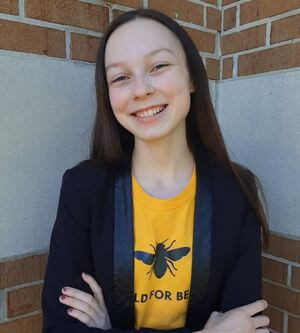
Like most kids, Emily Huffstetler ’24 grew up running from bees. Today, she’s one of their most ardent champions.
Huffstetler, a triple major in writing communication, Spanish and design at Maryville College, is launching a bee habitat restoration initiative through her nonprofit organization Build for Bees. As the next step in promoting bee sustainability efforts, she and her team have developed region-specific bee habitat kits called Habikits.
“In the past survey year, we’ve experienced a 45.5% decline in the American honeybee population, and we don’t even have stats on wild bee species,” said Huffstetler, who served as the MC sophomore class president during the recently concluded academic year. “One of the leading causes of that population decline is habitat loss, and that’s one of the things I really started to notice over the last summer. There are a lot of new housing developments around town, but they’re being built at the expense of our pollinators.
“That was the idea behind Habikit: If we’re going to keep destroying their habitats, we need to replenish it, so I reached out to a scientist at East Tennessee State University and asked for help designing a bee habitat kit that could fit in a planter box, along with the ideal bee-friendly flowers of our region. The goal this year is to release Southern Appalachian Habikits, and in the coming years, we’re hoping to expand until every region in the U.S. is represented.”
Thinking globally, acting locally
The United States, and beyond — not a stretch at all, considering that the board of directors of Build for Bees includes a resident of the United Kingdom and one who lives in Australia. Although the genesis of the organization, and the ensuing idea for Habikit, stems from her interest in the insects, she’s already figured out that involving equally passionate bee advocates will help her accomplish her goals more quickly.
Given that she’s started an organization, turned it into a nonprofit, obtained thousands of dollars in grant money and has assembled those allies from around the globe says a great deal about how driven Huffstetler is — especially considering she does it all while juggling a full class load and staying involved in extracurricular activities. (She’s the editor of the campus newspaper The Highland Echo, for example.) Those outlets are fun, educational and allow her to network, but working toward restoring balance to the natural world is a priority that takes precedent, she said.
“In 2013, my family planted some fruit trees in our backyard, and I realized there weren’t any bees out in early spring when the trees were blooming,” said Huffstetler, who grew up in Maryville. “We were looking to get pollinators, and that’s when I found out about Mason bees.”
Named for their tendency to use mud in nest-building, Mason bees, Huffstetler said, are solitary — each female builds her own nest, and there is no queen/worker bee hierarchy like there is in honeybee colonies. Her parents, Aaron Huffstetler and Erin Taylor Huffstetler ’01, built a Mason bee house and hung it in a place where their daughters could watch nature literally take its course.
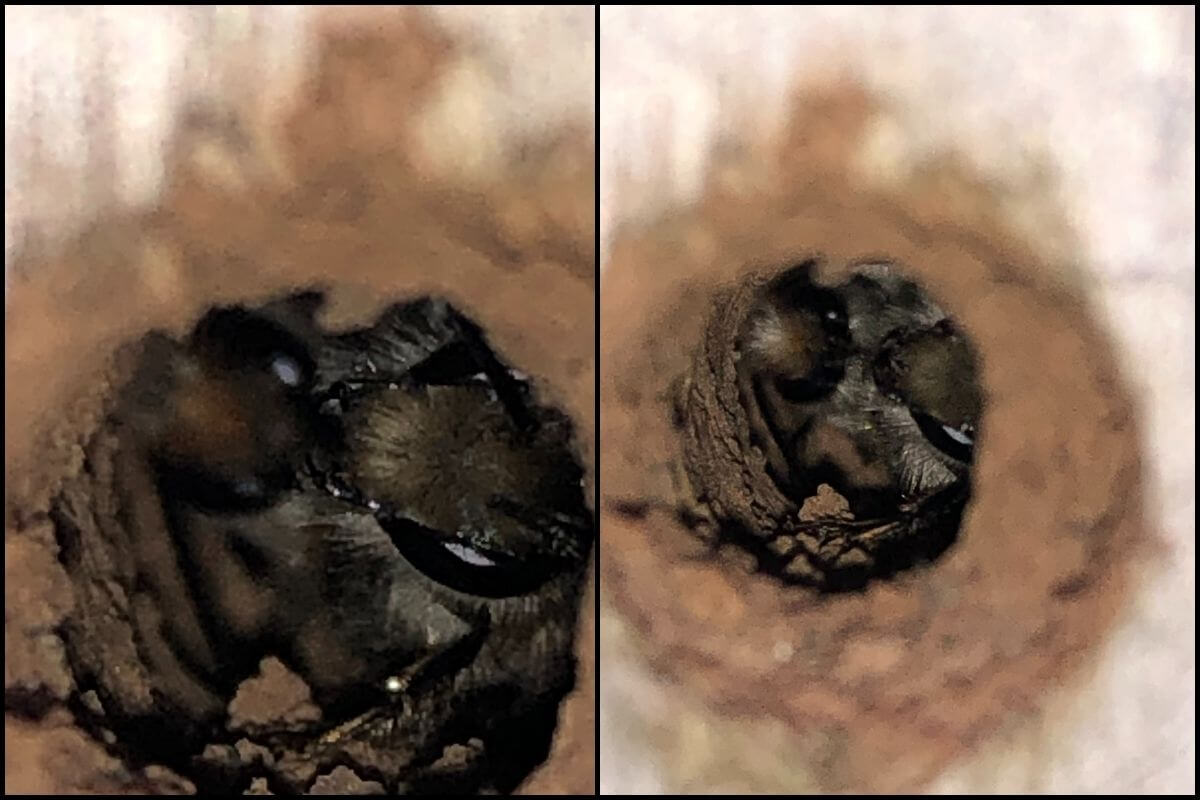
“The bees find it on their own, move in, lay their eggs inside of it, and then pack it up with mud,” Huffstetler said. “Then the next year, those new bees will dig their way out and start pollinating. My parents built the Mason bee house, and within an hour, we had bees moving in, and I just thought they were cool.
“I could watch up close and personal as they laid the eggs inside the house, and then used tiny scoops of mud, just hundreds of trips, to protect those eggs. Then the next year, I could watch them start digging their way out very slowly, and it was really cute to see this tiny thing move all this dirt.”
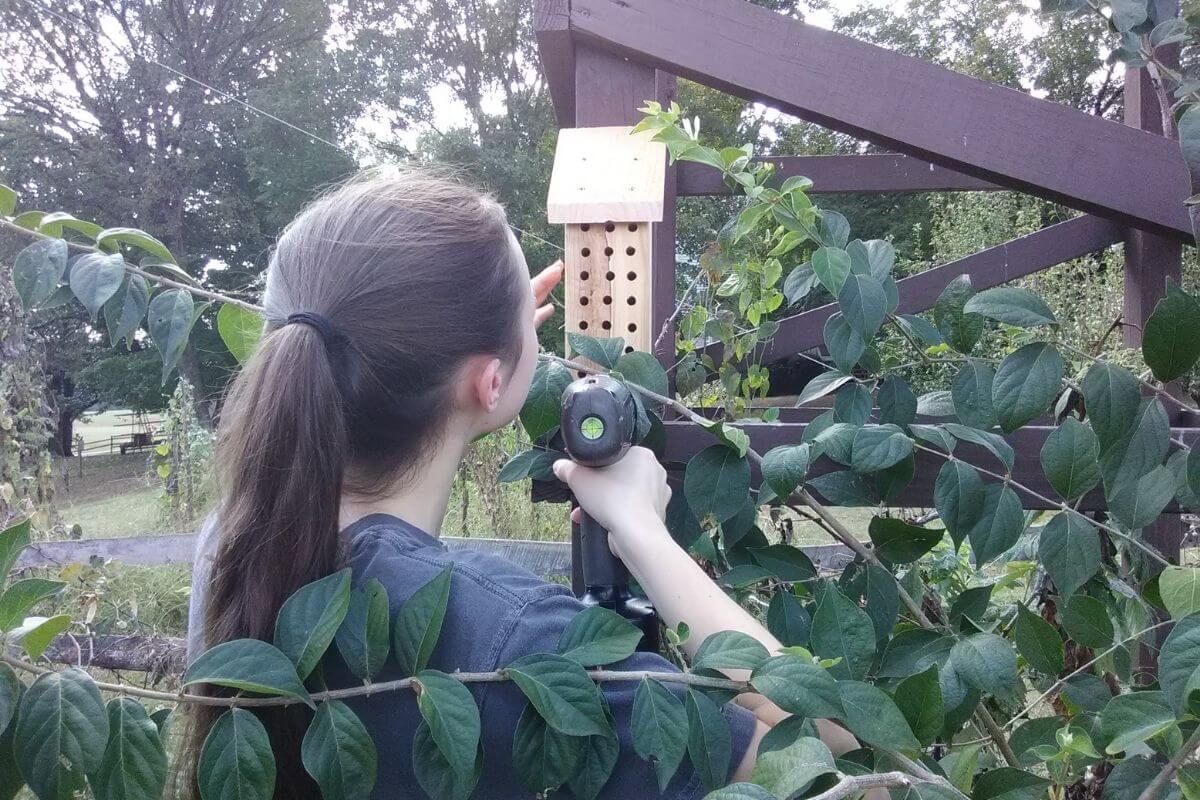
By that point, she was invested: Mason bee houses became a fixture around the Huffstetler household, and Emily’s interest slowly became advocacy as she collected recycled materials and started teaching others how to build them.
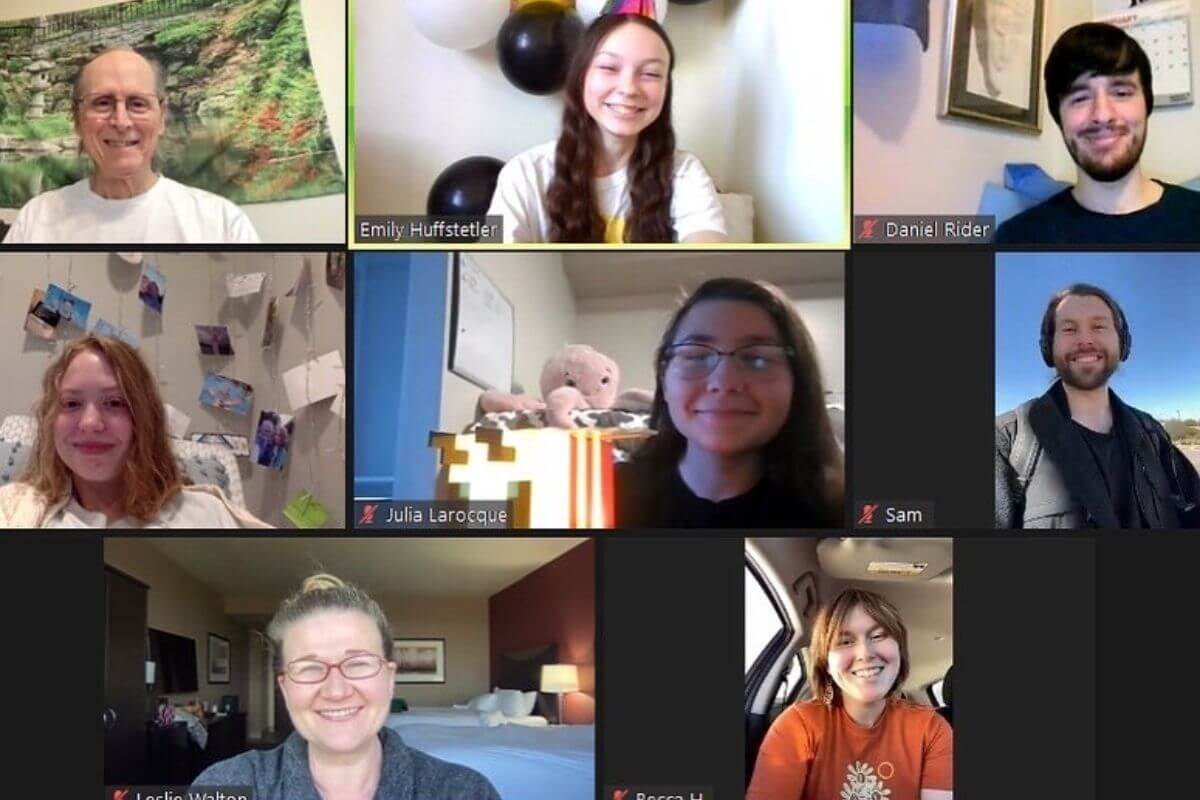
“I would go to schools and nursing homes and festivals, and I started an Instagram and built a website, and I did all of that over the course of my junior and senior years (of high school),” she said. “During the pandemic, I kind of used that to my advantage, because while the rest of the world was slowing down, I was ramping things up. I started hosting online workshops through Zoom, and I was able to grow a local audience into a national and an international one.”
A bee’s best friend
By growing Build for Bees into a global organization, she began to learn about pollinator problems around the world, and realizing the scope of the issue led to her determination to make the organization a nonprofit one before her graduation from Maryville College. The summer before she came to MC as a first-year, she applied for two grants: a $500 one from the nonprofit Earth Island Institute, and a $10,000 from the National Society of High School Scholars. She wound up receiving both.
“That was our first outside validation, and even though we got a lot of media attention, the money is what enabled me to hire an attorney to do the official nonprofit certification,” she said. “Also, I’m a penny pincher, so we only spent about half of that grant for our entire first-year operation as a nonprofit. But it was really transformative, especially when I found a team as dedicated as I was.”
Three board members of Build for Bees live in Tennessee; others are scattered, but they all have one thing in common: concern over declining bee populations, and a determination to make a difference. That’s where the Habikits serve a dual purpose, Huffstetler said: Consulting with East Tennessee State University arborist and botanist Travis Watson, who helped her last summer and fall, she found the ideal plant and flower species for the Habikit planter box. And Wendy Specter, MC Division of Humanities administrative assistant and owner of the landscape company Bearfoot Garden Design, leant her talent to the aesthetic side of the project.
Over the spring semester, she and her board members gauged the interest of Build for Bees supporters in purchasing a Habikit. She’s secured sponsorship funding that will match the first $500 received from MC administrators, faculty and staff with a like amount, and once the organization raises $1,000, she added, volunteers will install 10 Habikits on the Maryville College campus. In addition, the nonprofit will sell them for $150, and the kits serve a dual purpose: They’re personally pleasing as well as environmentally thoughtful.
“Bees have personality, and you get emotionally invested in them — and giving them a place to live makes you feel good, too, because they’re so important,” she said. “If you look at the statistics, honeybees pollinate just 5% of the flowers they visit, but Mason bees pollinate 95% of the ones they visit. So a Habikit serves you, but it also serves the environment.”