Why study Biochemistry at MC?

The curriculum in Biochemistry affords the student sound training in the principles and techniques of modern biochemical theory and experimentation. The program integrates laboratory, theoretical, and research skills to provide the range of abilities needed by the practicing biochemist. Opportunity for research through the Oak Ridge Associated Universities and National Laboratories such as Argonne, Brookhaven, Jefferson, Los Alamos, and Oak Ridge complement the curriculum.

The Major in Biochemistry provides a comprehensive curriculum for students planning careers in which biochemical knowledge plays a central role. With careful elective choice students may pursue careers as professional biochemists and enter graduate school programs that lead to a variety of research-oriented careers, or they may enter medical school or other health-related programs. In addition, students interested in teaching at the middle- or high-school level can continue their studies at MC after graduation and earn a Master of Arts in Teaching (M.A.T.) Secondary STEM degree in only one year.

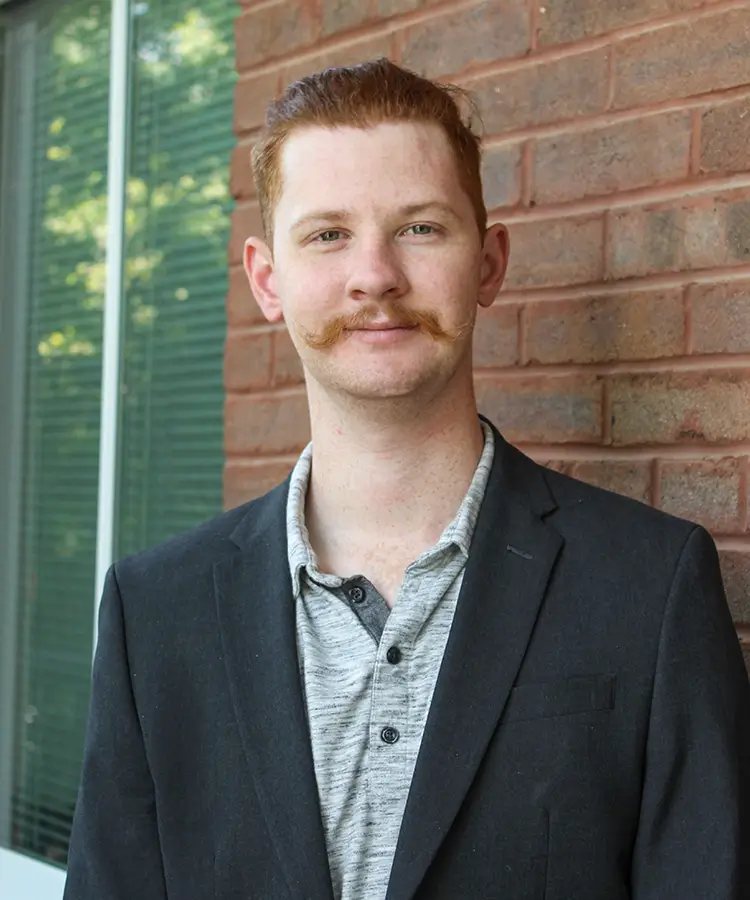
Photo of James McGhee

James McGhee

Hometown: Madisonville, Tennessee

After exiting the Army, James wanted to attend a small college close to home where he could commute. He found MC and chose Biochemistry as he loves “understanding the mechanics and processes running within chemistry and the human body.” Also serving as a STEM Success Mentor, he is impressed by how dedicated the MC STEM programs are to ensuring student success.


James also will be working with a Distributed Pharmaceutical Analysis Laboratory (DPAL) and Chemistry Professor Dr. Mary Turner to evaluate pharmaceuticals for appropriate quantities of active ingredients. As for his long-term goals, James said: “I plan to attend medical school, and I have a passion for emergency medicine and trauma response.”


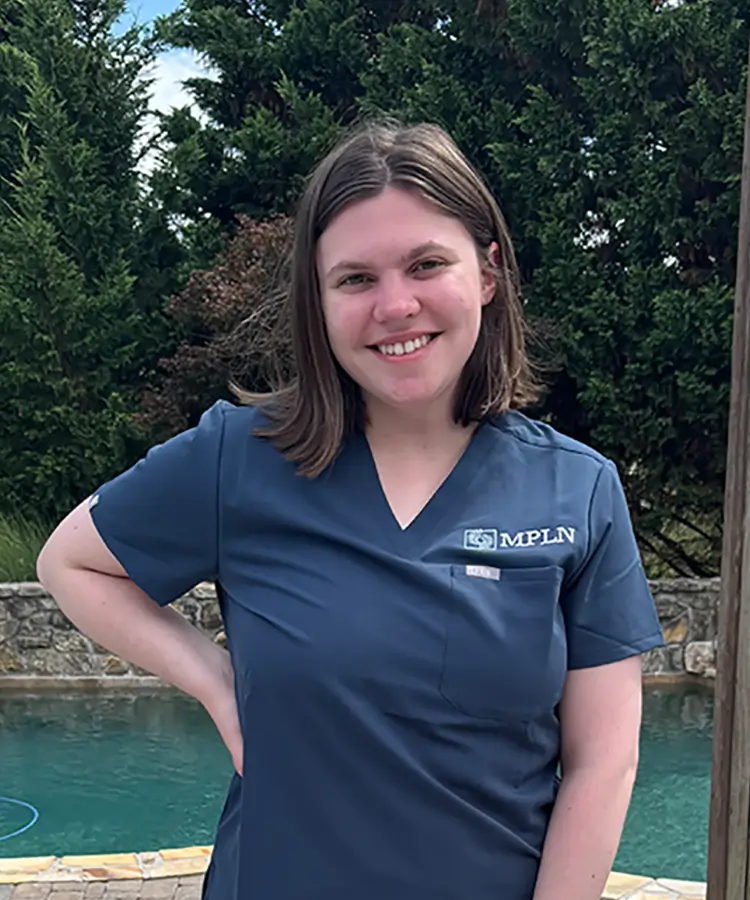
Photo of alumna Autumn Seeders, who graduated with a degree in Biochemistry.

Autumn Seeders ’20

Currently: Histology Technician at Molecular Pathology Laboratory Network, Maryville, TN

Autumn came to MC to study genetics; however, “the more time I spent in the lab, the more I found myself enjoying the hands-on lab work,” she said. This experience led to her interest in becoming a histotechnician. She recently completed a year of on-the-job training and is preparing to take the Histotechnology (HTL) certification exam.


Instrumental in her collegiate success and career path was her Senior Study. “It helped build my confidence in the lab, taught me how to take ownership of a project and allowed me to work more independently,” she said, adding that while MC is known for its academic rigor, “the community at Maryville College is very supportive, pushing you to grow and achieve more than you thought you could.”
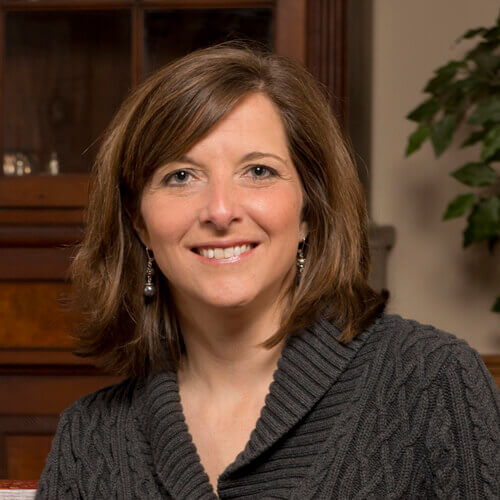


Angelia Gibson
Dr. Angelia Gibson
Professor of Chemistry
View More
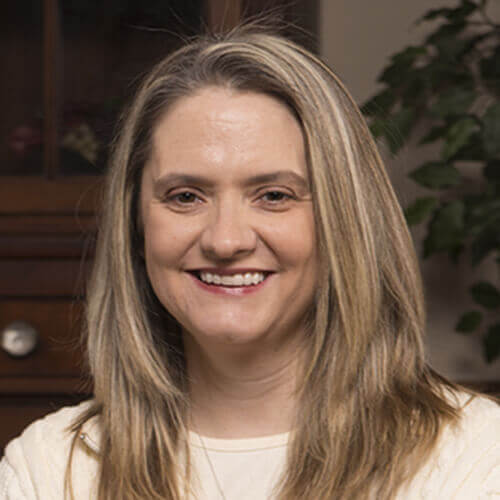
Mary Turner
Dr. Mary Turner
Professor of Chemistry
View More
Nathan Duncan
Dr. Nathan Duncan
Associate Professor of Chemistry
View More

Clemson University
Duke University School of Medicine
East Tennessee State University Bill Gatton College
of Pharmacy and Quillen College of Medicine
Johns Hopkins University
Medical University of South Carolina
Northwestern University
The Ohio State University College of Medicine
University of Houston College of Optometry
University of Kentucky College of Medicine
University of Rochester School of Medicine and Dentistry
University of Tennessee: Colleges of Dentistry, Medicine
and Pharmacy

490 Biotech
Blount Memorial Hospital
Covenant Health
Edward Via College of Osteopathic Medicine
Great Smoky Mountains Institute at Tremont
Lipscomb University College of Pharmacy and Health Sciences
ORAU
Oak Ridge National Laboratory
University of Tennessee College of Pharmacy
University of Tennessee College of Veterinary Medicine

Students successfully completing the program of study will have achieved:

  • Demonstrate knowledge of basic terminology, concepts and graphical/quantitative analysis in biochemistry
  • Summarize and interpret the primary biochemical literature
  • Acquire and apply a set of basic laboratory data-acquisition, analysis, and presentation skills
  • Formulate scientifically significant questions and work toward their resolution using traditional biochemical laboratory and/or computational methodologies
  • Design and execute an in-depth research project, and successfully communicate the results verbal and written forms


The Bachelor of Arts Degree in Biochemistry consists of 55-56 hours in biology, chemistry, and related courses and provides an interdisciplinary curriculum for students planning careers expected to have significant biochemical emphases. With careful elective choice students may pursue careers as professional chemists, enter graduate school programs that lead to a variety of research-oriented careers, or they may enter medical school or other health-related programs.

Required courses include:

Major and Major-Related Courses

CHM 121: General Chemistry I (4 hrs)
CHM 122: General Chemistry II (4 hrs)
CHM 223: Organic Chemistry I (4 hrs)
CHM 224: Organic Chemistry II (4 hrs)
CHM 316: Fundamentals of Biochemistry and Molecular Biology (4 hrs)
BIO 115: Principles of Cellular Biology (4 hrs)
BIO 221: Genetics (4 hrs)
CHM 416: Advanced Topics in Biochemistry and Molecular Biology (4 hrs)
MTH 125: Calculus I (MR) (4 hrs)
MTH 225: Calculus II (4 hrs)
SCI 299: Professional Practices in the Natural Sciences (1 hrs)

One course chosen from the following list:

CHM 264: Analytical Chemistry (4 hrs)
CHM 365: Instrumental Methods (4 hrs)
CHM 371: Inorganic Chemistry (3 hrs)
CHM 381: Physical Chemistry I (3 hrs)
CHM 391: Physical Chemistry II (3 hrs)
BIO 301: Cell and Tissue Biology (4 hrs)
BIO 355: Microbiology (4 hrs)
BIO 357: Immunology (3 hrs)
BIO 412: Animal Physiology (4 hrs)
BIO 414: Developmental Biology (4 hrs)

Either:

BIO 353: Senior Study (3 hrs)
Or
CHM 353: Senior Study (3 hrs)

Either set of:

PHY 101: College Physics I (4 hrs)
And
PHY 102: College Physics II (4 hrs)
Or
PHY 201: General Physics I (4 hrs)
And
PHY 202: General Physics II (4 hrs)


The Bachelor of Science degree in Biochemistry consists of 69-70 hours in biology, chemistry, and physics. The Bachelor of Science degree in Biochemistry is designed to prepare students for graduate school, pharmacy school, or professional work in the pharmaceutical or biotechnology industry.

Required courses include:

Major and Major-Related Courses

CHM 121: General Chemistry I (4 hrs)
CHM 122: General Chemistry II (4 hrs)
CHM 223: Organic Chemistry I (4 hrs)
CHM 224: Organic Chemistry II (4 hrs)
CHM 316: Fundamentals of Biochemistry and Molecular Biology (4 hrs)
CHM 391: Physical Chemistry II (3 hrs)
BIO 115: Principles of Cellular Biology (4 hrs)
BIO 221: Genetics (4 hrs)
BIO 416: Advanced Topics in Biochemistry and Molecular Biology (4 hrs)
MTH 125: Calculus I (MR) (4 hrs)
MTH 225: Calculus II (4 hrs)
SCI 299: Professional Practices in the Natural Sciences (1 hrs)

Either set of:

BIO 351: Senior Study I (3 hrs)
And
BIO 352: Senior Study II (3 hrs)
Or
CHM 351: Senior Study I (3 hrs)
And
CHM 352: Senior Study II (3 hrs)

Either set of:

PHY 101: College Physics I (4 hrs)
And
PHY 102: College Physics II (4 hrs)
Or
PHY 201: General Physics I (4 hrs)
And
PHY 202: General Physics II (4 hrs)

Either:

CHM 264: Analytical Chemistry (4 hrs)
Or
CHM 365: Instrumental Methods (4 hrs)

At least three credit hours chosen from the following courses:

BIO 301: Cell and Tissue Biology (4 hrs)
BIO 355: Microbiology (4 hrs)
BIO 357: Immunology (3 hrs)

Either:

BIO 412: Animal Physiology (4 hrs)
Or
BIO 414: Developmental Biology (4 hrs)


Specific requirements of particular post-graduate institutions should be determined early in the undergraduate program since these requirements may require courses for admission beyond the minimum required for the biochemistry major. An advisor on Health-Related Professions is available to assist students planning careers in medicine and other health professions. Suggested languages are Spanish, German and French.

The Major in Biochemistry is not open to students majoring in either Biology or Chemistry. The Minor in Biology and the Minor in Chemistry are not open to students who major in either Biochemistry degree.

Specific requirements of particular post-graduate institutions should be determined early in the undergraduate program since these requirements may require courses for admission beyond the minimum required for the biochemistry major. An adviser on health-related professions is available to assist students planning careers in medicine and other health professions. Suggested languages are Spanish, German and French.

The Minor in Biology and the Minor in Chemistry are not open to students who major in either biochemistry degree.

In addition to required courses for majors and minors, Maryville College students take classes in the Maryville Curriculum, a core program of general education. Consisting of 51 credit hours, the Maryville Curriculum ensures that students see their major in a wider context and develop the basic communication, quantitative, and critical thinking skills that are needed for success in college and career.

Apply
Faculty & Staff
Angelia Gibson
Dr. Angelia Gibson
Professor of Chemistry
View More
Mary Turner
Dr. Mary Turner
Professor of Chemistry
View More
Nathan Duncan
Dr. Nathan Duncan
Associate Professor of Chemistry
View More

Request Info

Interested in this Program of Study at Maryville College? Submit your basic information and an Admissions counselor will contact you shortly to answer any questions you might have.

Loading…