After successful SOAR weekend, MC looks ahead to August for another banner year for admissions
July 1, 2024
Yet again, Maryville College is on track for a banner academic year as administrators and staff members roll out a summer of programming to welcome new first-year and transfer students to campus.
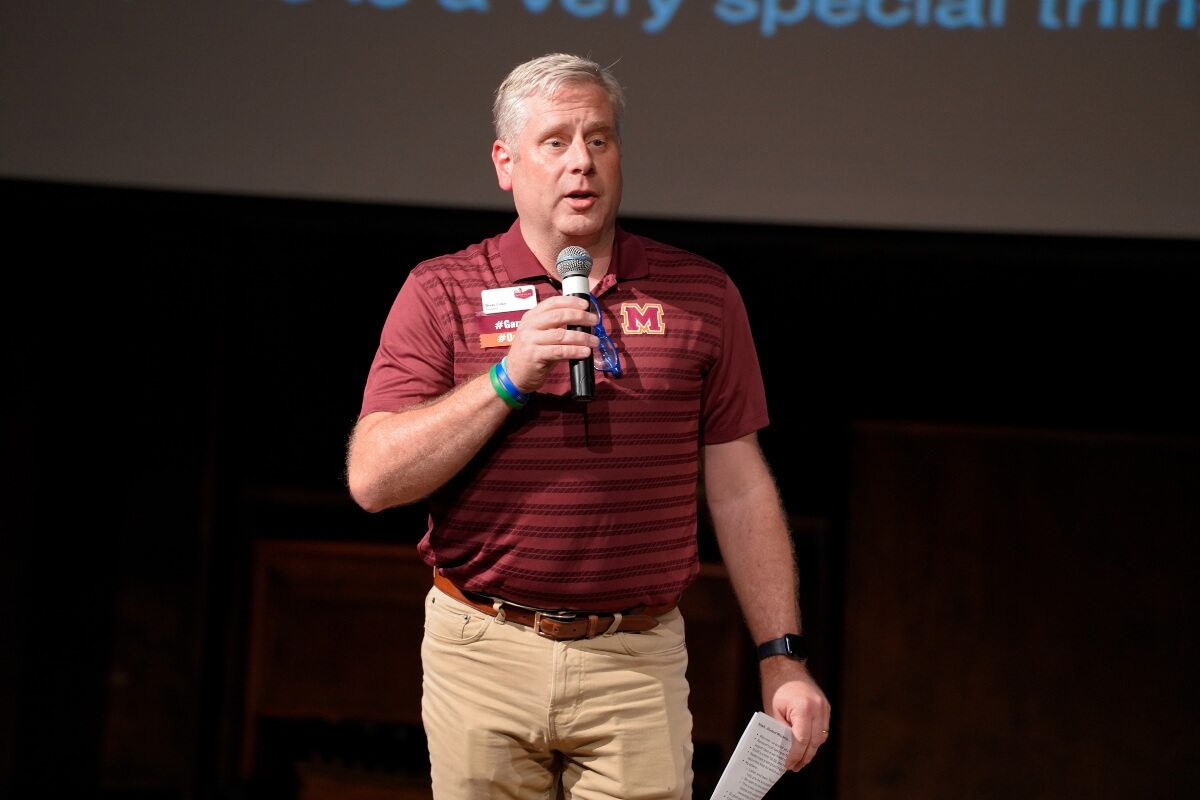
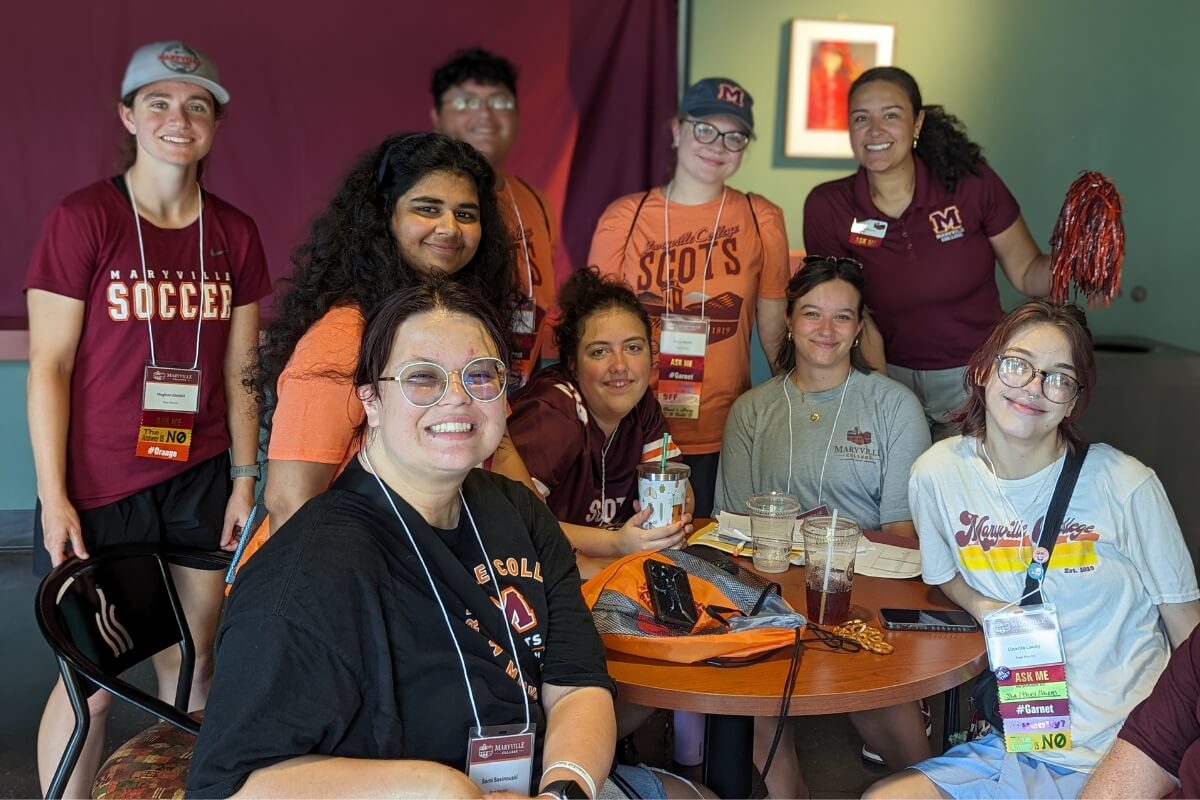
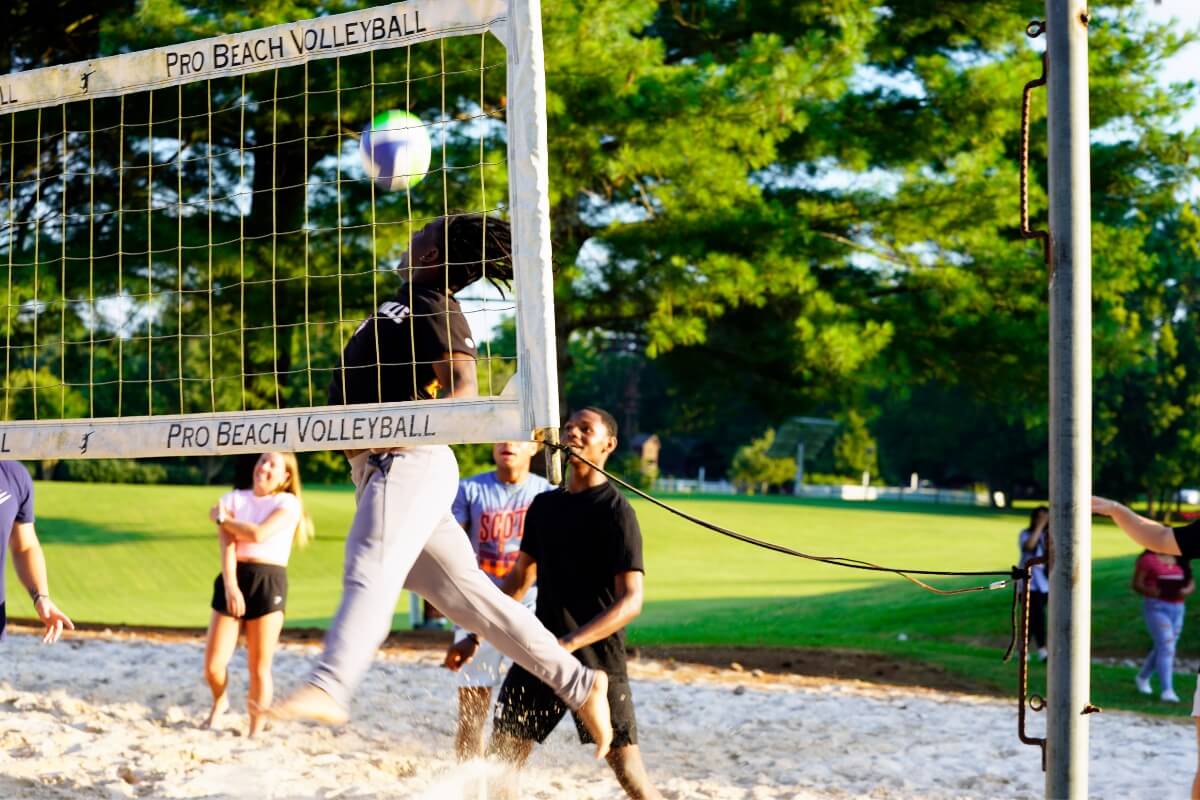
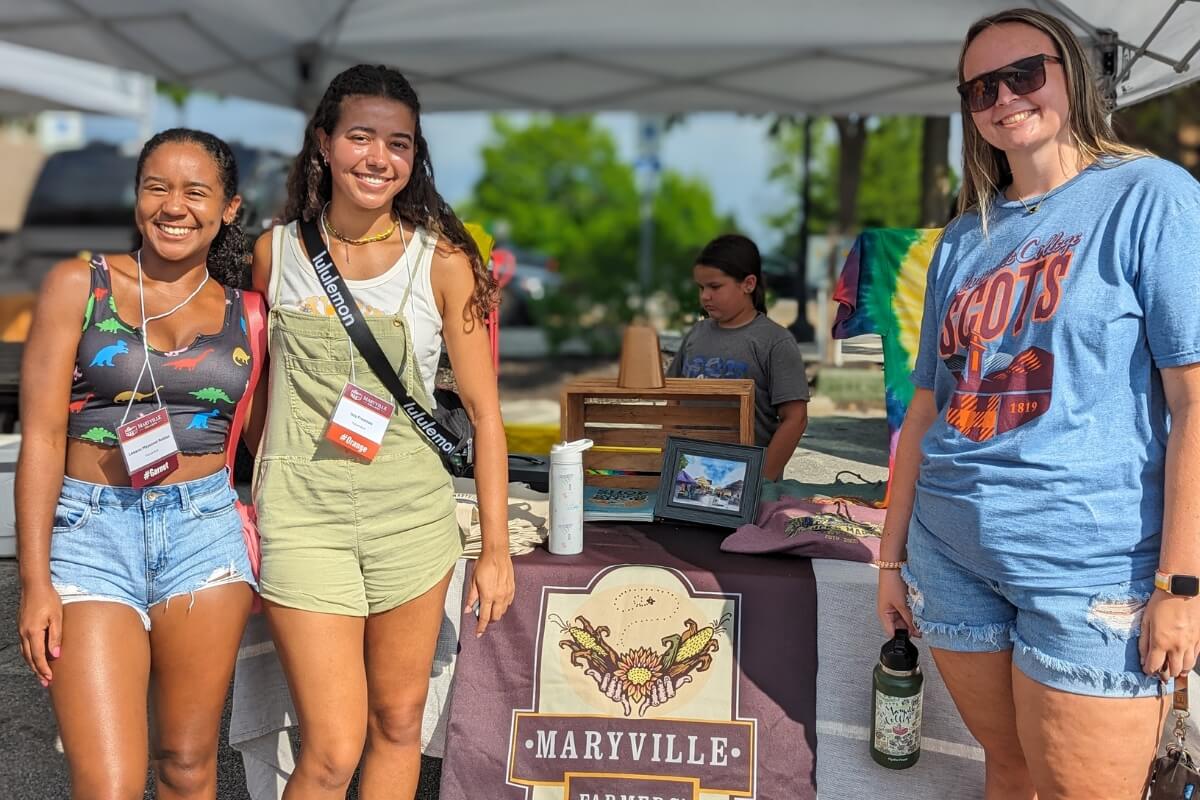
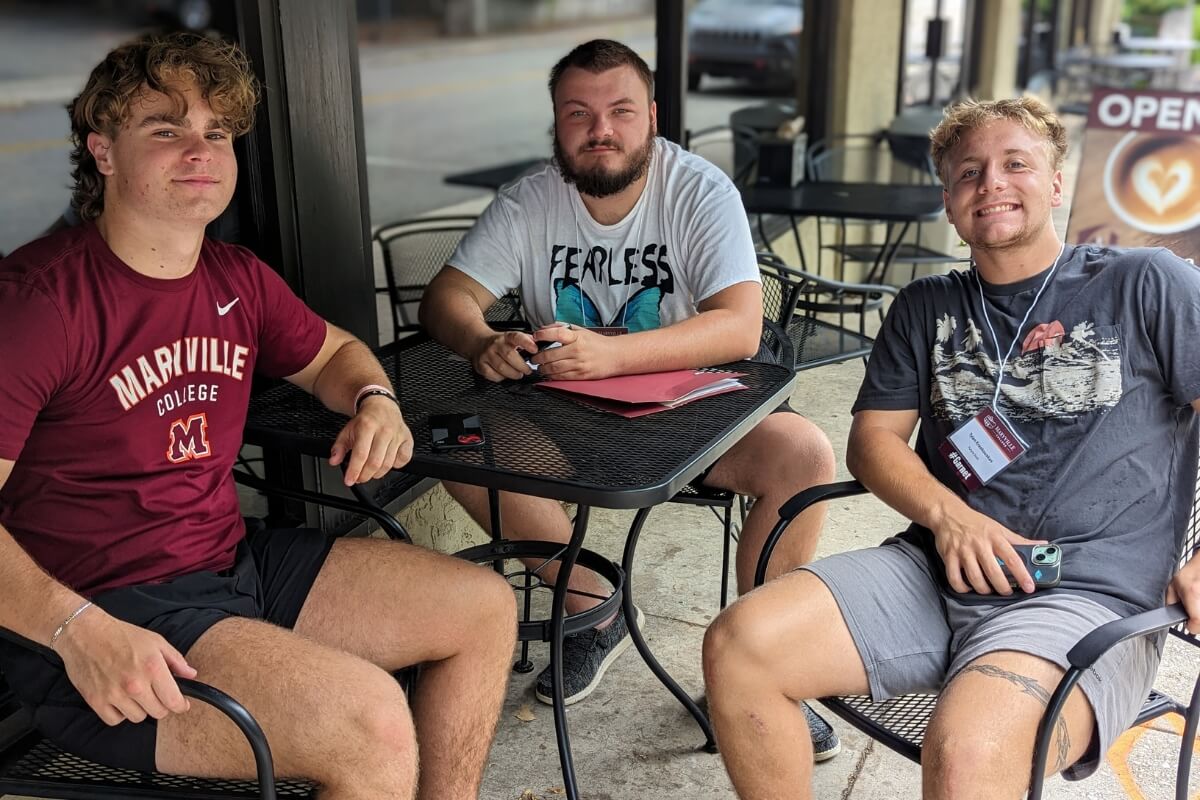
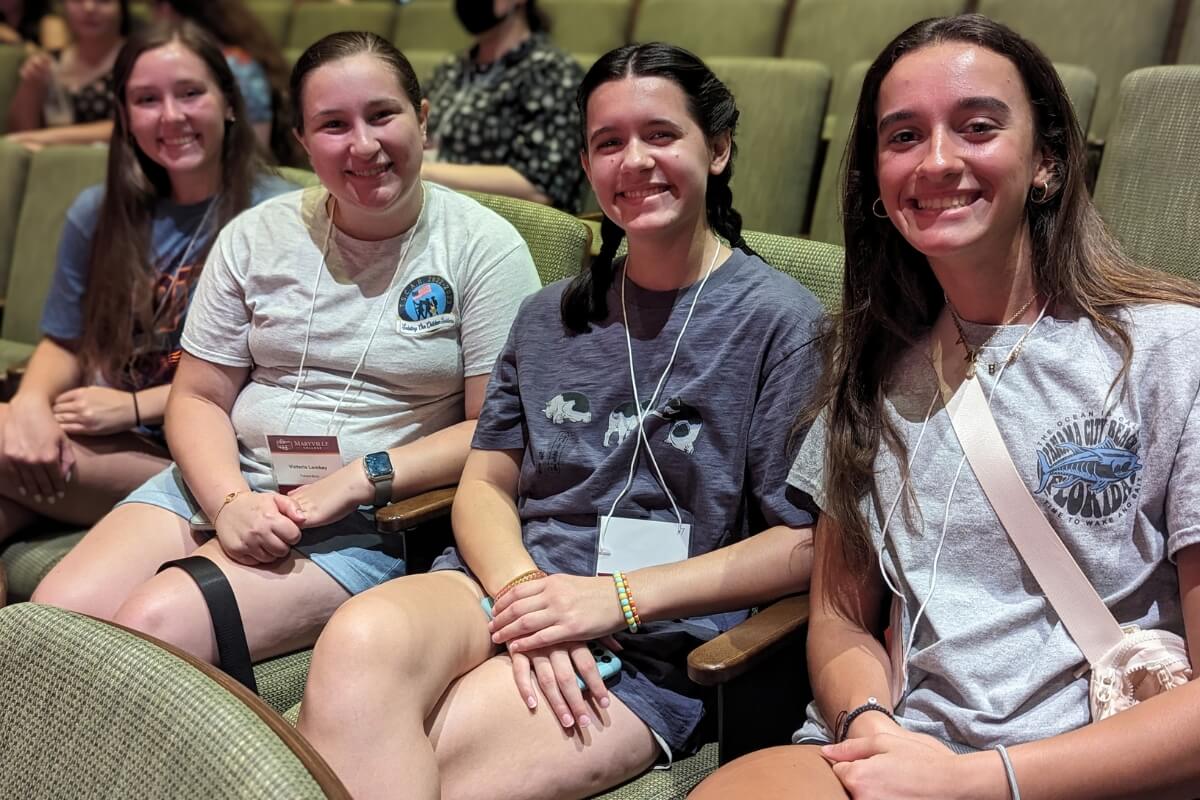
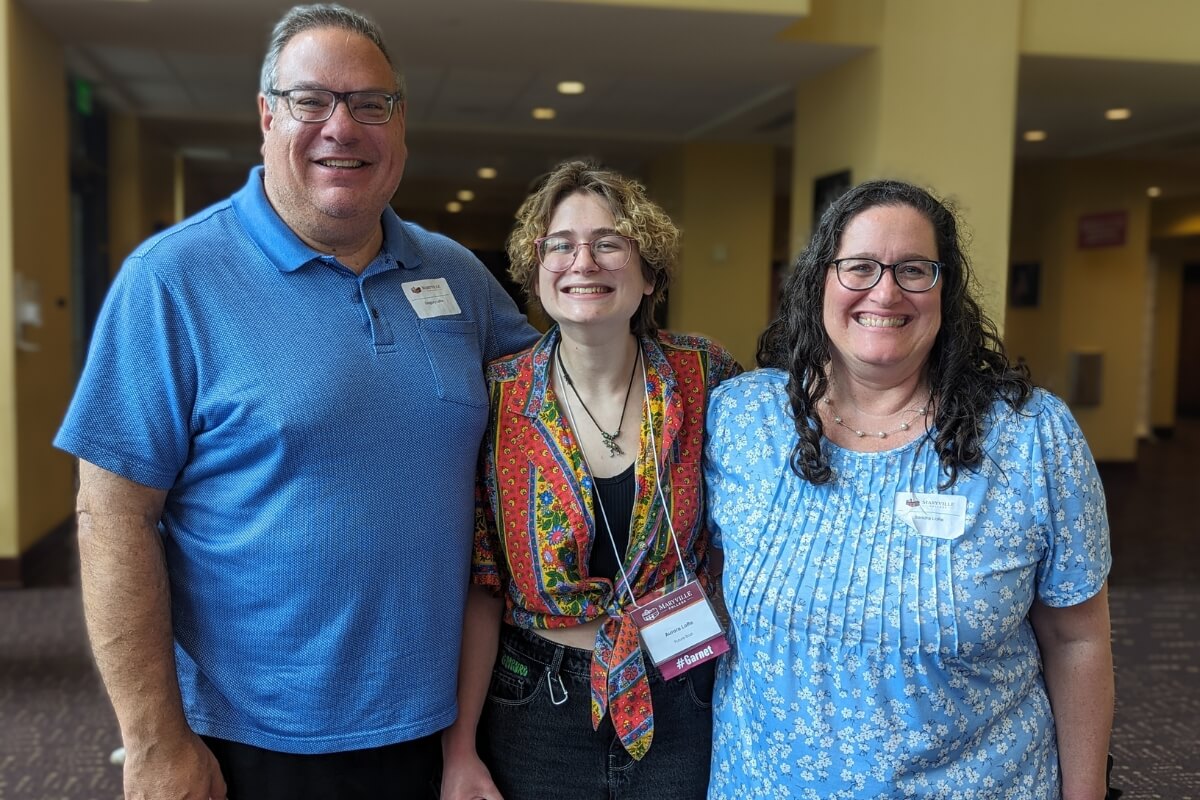
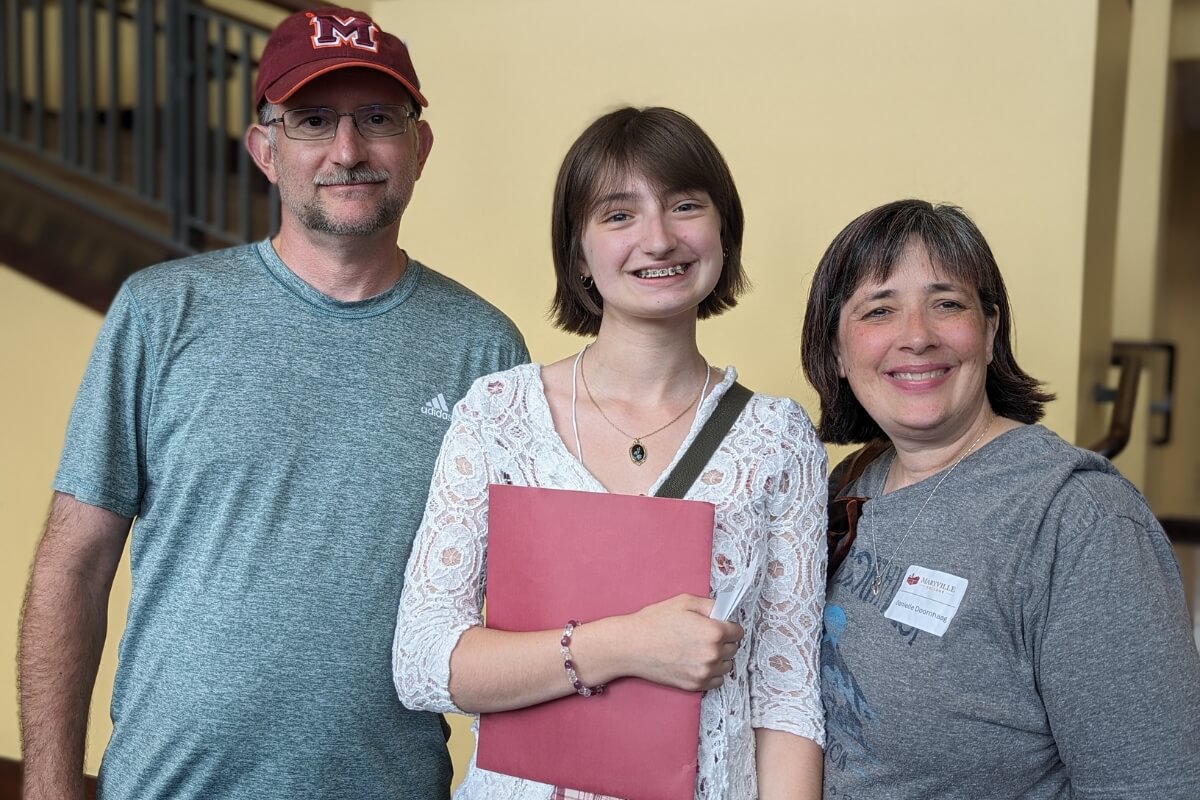
Friday and Saturday, staff members from Admissions and the Division of Student Affairs presented a “get acquainted” weekend, of sorts, for new first-years and their family members. The SOAR event – Summer Onboarding, Adventure and Readiness – was designed as a prelude to new student orientation activities, which begin in August and lead up to the first day of classes on Aug. 21.
For the fourth year in a row, according to Dr. Alayne Bowman, vice president of Admissions and Financial Aid, enrollment numbers have blossomed at Maryville College even as similar-sized smaller, private liberal arts schools have struggled.
“Applications are up by 5%, and our deposited students are up 10% from pre-pandemic numbers,” Bowman said. “We are anticipating another large class, possibly the second largest in recent years. There’s a lot of uncertainty out there right now in higher education, especially given the fumbled rollout of the new FAFSA (Free Application for Federal Student Aid) last fall, and many of our sibling institutions have seen reduced admissions as a result.
“At Maryville College, the efforts we undertook last year in anticipation of potential FAFSA difficulties have meant minimal disruption in the enrollment process. I can’t say enough about our Admissions and Financial Aid staff, but it’s also a credit to efforts that have been made College-wide to appeal to students who are seeking an education that allows them to capitalize on numerous opportunities for hands-on experience, class work and fieldwork, and one-of-a-kind initiatives, all while feeling supported by faculty and staff members who go above and beyond to meet their needs.
“It’s one thing to say that we encourage our students to study everything because it prepares them for anything; it’s another thing entirely to create a transformational journey for them that begins on day one and continues all the way through graduation,” Bowman added.
Since the COVID-19 pandemic, the number of first-year and transfer students has risen steadily every academic year, and last year, those numbers jumped dramatically: A 14% increase at the beginning of the 2023-24 academic year over the year prior, and MC administrators heralded the arrival last year of the largest incoming Maryville College class in recent history. While this year’s first-year class is on track to be the second largest, the numbers are still impressive, especially given how much the delays in FAFSA created an enrollment nightmare for colleges and universities around the country.
Normally, the FAFSA application for each academic year opens up in October of the year prior, meaning that families seeking financial assistance to pay for the 2024-25 academic year could have begun applying as early as Oct. 1, 2023. However, the U.S. Department of Education announced it would make changes to the FAFSA process to streamline it and make it more effective, but the end result was the exact opposite.
“Ideally, the changes would have made it easier for more families who needed financial aid to get Pell Grants and other assistance, but those changes meant that the new application wasn’t going to be ready until December of last year,” said Kelly Massenzo, director of undergraduate admissions at Maryville College. “When it did finally come out, there were issues month after month. For example, if you needed to make a correction, you couldn’t go back and do so, whereas in years past, you could, so a lot of families were in limbo and had no idea what financial aid, if any, they were going to get. Needless to say, deciding on college without that knowledge is almost impossible.”
Bowman, Massenzo and the rest of the Admissions team, however, anticipated those problems and began working with an outside vendor, as well as Maryville College’s Office of Financial Aid and Information Technology team, to develop a student aid index estimation tool in early fall of 2023, Massenzo said. The online calculator mimicked FAFSA, and the answers parents gave helped create a student aid index that gave those parents an estimation of the amount of financial aid their students would likely receive.
“Based on our calculations, we were able to generate high-level costs for families to give them a sense of what their costs would be, and we shared those in the fall,” Massenzo said. “We were one of the first colleges and universities to give families some financial numbers, and we continued to send those until actual FAFSA packages were released to families in April.
“For the most part, those estimations were pretty accurate as long as parents filled out all of the information needed to make the calculations, and we believe that’s what led so many families to make deposits for their students to come to Maryville College, because they had tangible numbers to work with.”
A multi-pronged strategy for sustainability
That’s a stark difference from other higher education institutions, according to a June 10 report in The Washington Post: “I have spoken to a few presidents who said they are between 20 percent and 30 percent below their anticipated enrollment target,” the newspaper quoted Angel B. Pérez, chief executive of the National Association for College Admission Counseling, as saying. “That’s devastating for an institution. But of course, you’re not going to see that at the big flagship publics or the wealthiest institutions. But you will see that at regional colleges.”
Admissions shortcomings don’t just jeopardize an institution’s ability to grow and thrive, Pérez added: It also means that “hundreds of thousands of students will not be in college, and that has devastating impacts for the economy in the future.”
The success of Maryville College in overcoming those challenges, said MC President Dr. Bryan F. Coker, is why he’s proud of and grateful for the foresight of the Admissions staff, combined with a number of exciting initiatives, achievements and plans in all areas of the College, which have allowed MC to not only weather the FAFSA debacle, but to continue to thrive in these dynamic times for higher education.
“Maryville College is thriving in many ways, and that is obviously being noticed by prospective students and their families,” he said. “We offer one of the world’s greatest natural laboratories for learning, at the doorstep of America’s most-visited national park. With the Maryville College Downtown Center ready to open and new academic and athletic programs recently introduced, we have a great deal to offer and provide generous assistance in making a Maryville education accessible and affordable.”
Case in point: The Downtown Center will serve as an embassy, of sorts, to the greater Maryville community. Classes in two of the newest programs of study — the Hospitality and Regional Identity major, and the Fermentation Science minor — will be held there, and the long-term goal is to use the building as both an event space for local organizations and as a center for lifelong learning classes, open to the public.
As for overall institutional health, Maryville College recently received its 10-year reaccreditation visit from the Southern Association of Colleges and Schools Commission on Colleges (SACSCOC). The review team had no recommendations for improvement: “In other words, a perfect score. This is extraordinarily rare, and even for a well-run institution,” Coker said. With the arrival this week of Dr. Liz Perry-Sizemore, the newly appointed vice president and dean of the College, work toward an MC degree will continue to reflect prestigiously on those students who choose to enroll here.
Along the way, they’ll receive support through initiatives that push them to excel but provide them with the tools to do so: During the 2023-24 academic year, Maryville College received a $2.25 million Title III Strengthening Institutions Program grant that will establish the “‘Building an IDEAL Community Project,’ with IDEAL an acronym for inclusive, diverse, equitable and accessible learning,” Coker announced last fall. “This program will meet the needs of our students by creating a student success model with a diversity, equity, and inclusion (DEI) focus. The funding will allow for the hiring of seven critical new staff positions, first-year experience programming, and renovations to create a one-stop shop student support center on campus.”
In addition, the College received in May a $776,000 Tennessee Department of Economic and Community Development grant that will establish the Maryville College Digital Edge Program, which will be administered through the MC Career Center and assist students in discovering and enrolling in courses to strengthen their digital skills and allow them to complete micro-credentials — qualifications that focus upon specific technological disciplines through one or more accelerated educational training programs.
“It’s such an honor to be a part of an institution where everyone labors to go above and beyond for our students — both those who have been Scots for several years now, and those who are still deciding whether to become a part of our family,” Bowman said. “I can’t say enough good things about the ways in which our Admissions and Financial Aid teams navigated the problems with FAFSA, but I’m also confident that the appeal of Maryville College — all that it offers today, and all that it will offer in the years to come — plays a large role in the decision of transfer students and rising first-years to commit to MC.”
“Since first being introduced as the College’s president in 2020, I’ve stated, ‘keep an eye on Maryville College,’ and I hope that many heeded that advice,” Coker added. “Our progress and success over the past four years has exceeded even my expectations. And we’re not slowing down anytime soon — our supporters should continue to expect more bold and strategic moves in the coming years.”