From part-time tutor to AI innovator, Jan Taylor has done it all during her 26 years at Maryville College
April 10, 2026
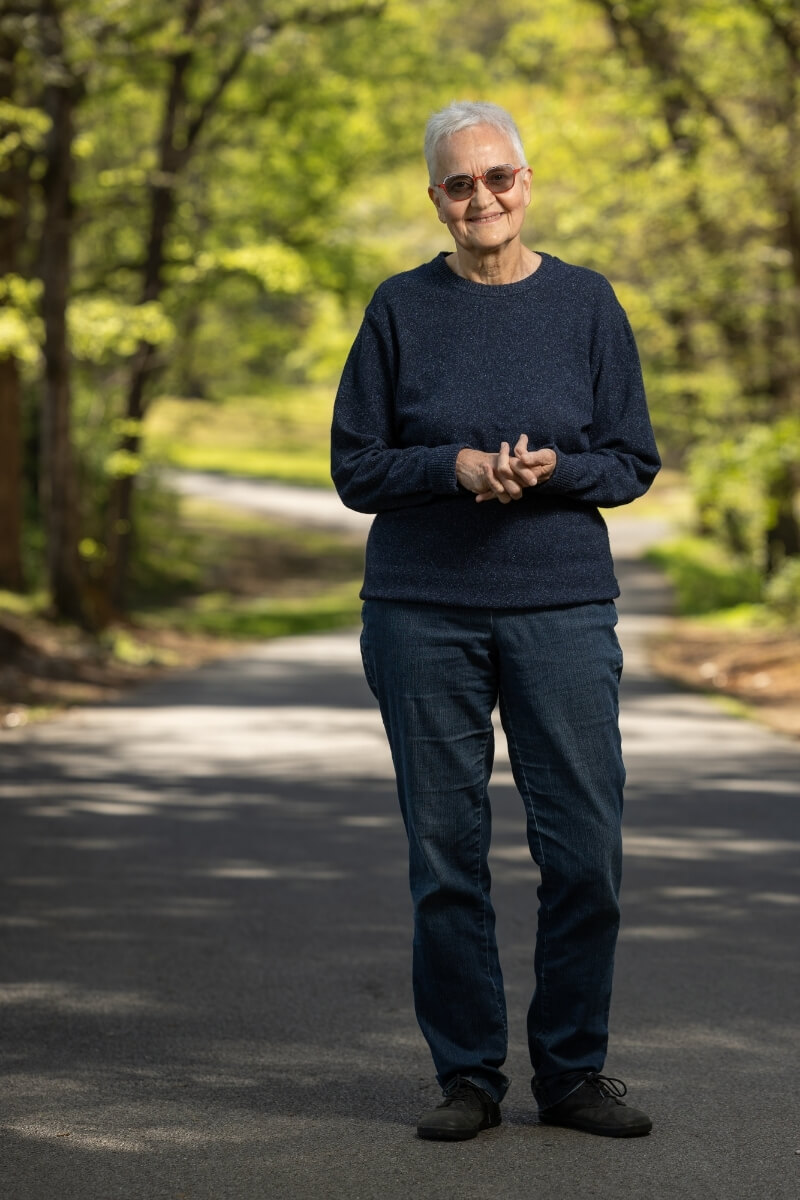
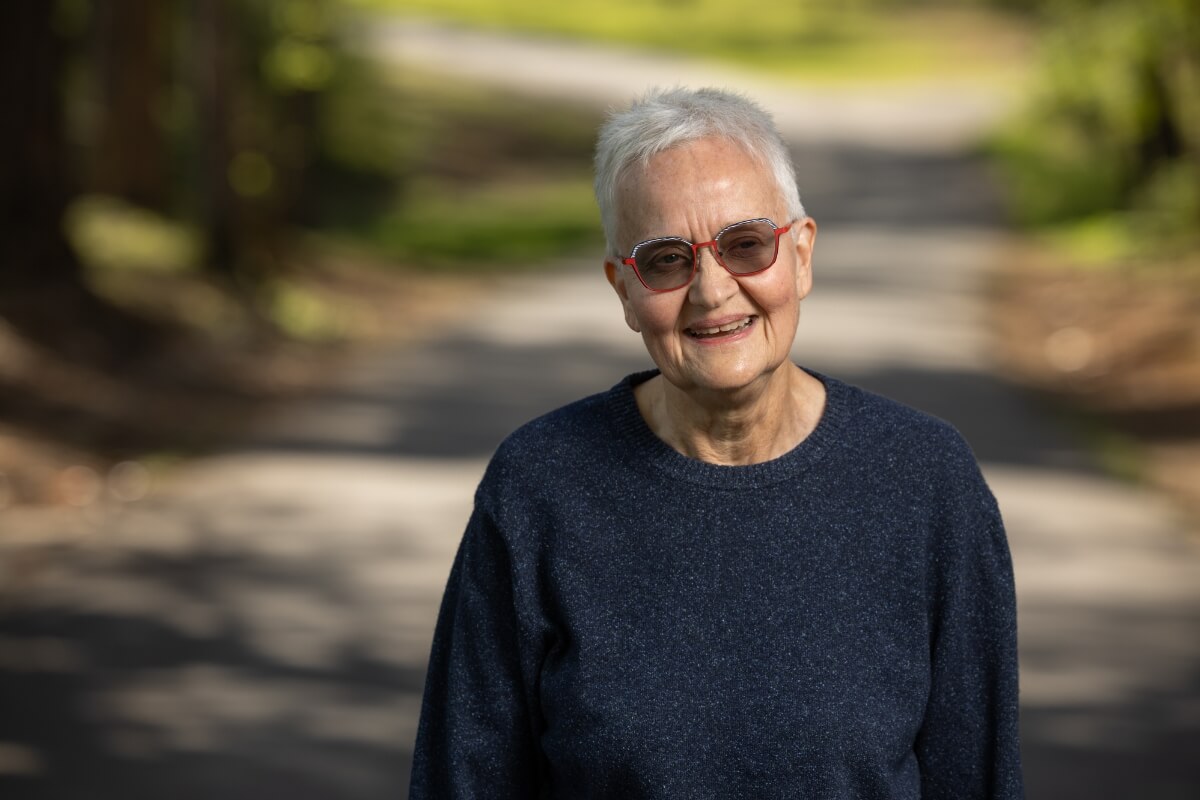
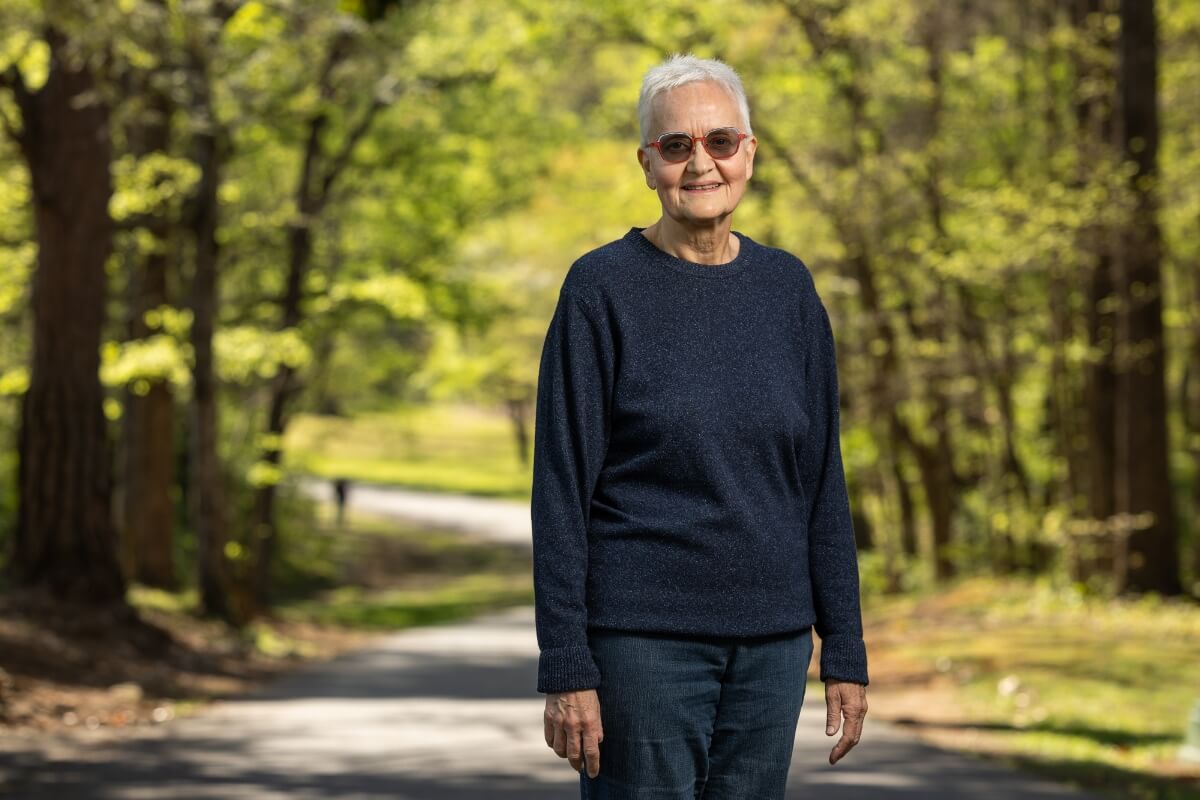
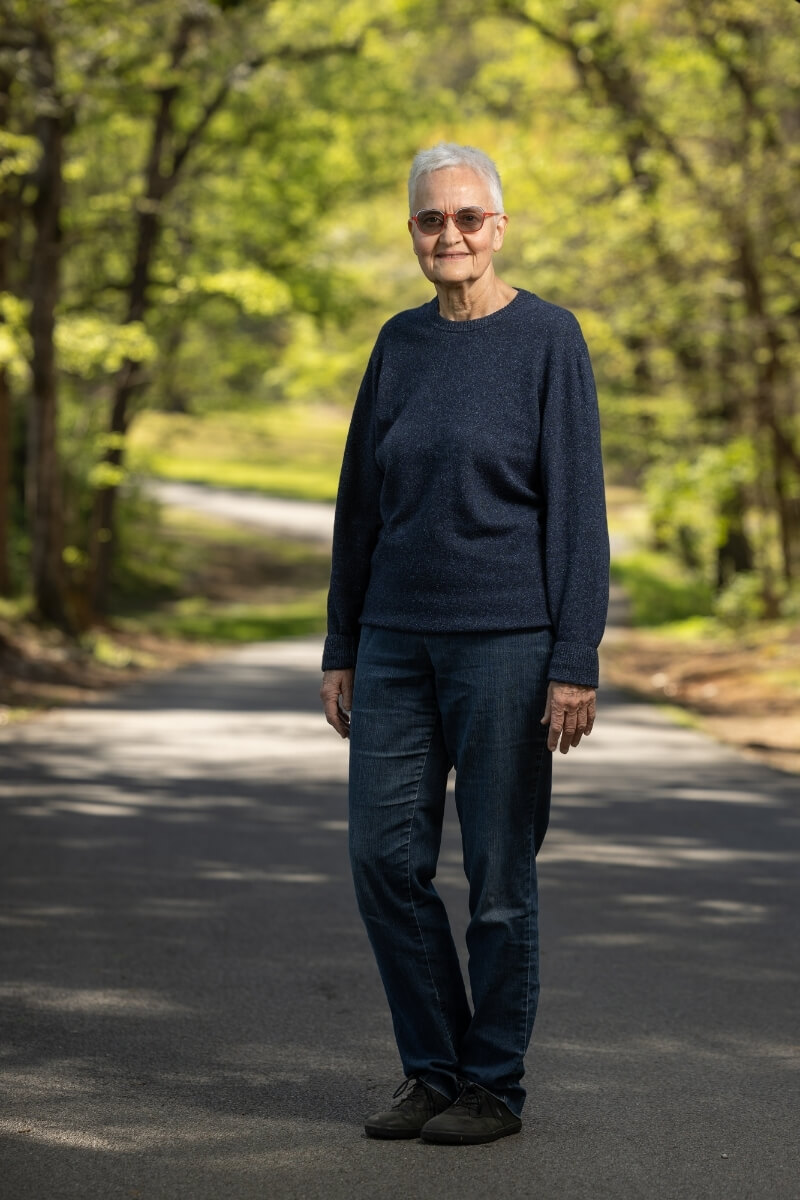
She’s come a long way in 26 years, and while she still has plenty of room to keep going, it won’t be at Maryville College. Jan Taylor, senior lecturer in composition, will retire at the end of the 2025-26 academic year.
Her title is a deceptively simple one, and gives no hint about the vast array of positions she’s held since coming to MC as a tutor. Before that, she was a stay-at-home mother and small business owner, but around the turn of the century, she decided to make a career change.
“My reason to come to the College? I love being in a classroom!” she said. “I (mostly) enjoyed school as a student, and I’ve learned that I’m happy on either side of the teaching/learning conversation.”
Ideas, she pointed out, are currency … and Maryville College encourages faculty, staff and students alike to work for it, collect it and spend it in a way that benefits the communities of their choosing. In other words, to quote MC founder the Rev. Isaac Anderson, to “do good on the largest possible scale,” and Taylor has been doing just that since her arrival.
When Taylor came to MC in 2000 as a K-12 tutor in what was then the Learning Center, she hadn’t quite finished her own college degree. It wasn’t long before she earned a Bachelor of Science in Liberal Studies from Excelsior College in New York, with concentrations in biology, writing and education. She went on to obtain a Master’s in Higher Education, as well as a Master of Fine Arts from Goddard College. At Maryville College, it became clear that her skills and hunger for learning required additional vocational challenges, so she was named coordinator of the center’s tutors and transitioned to a full-time academic support liaison.
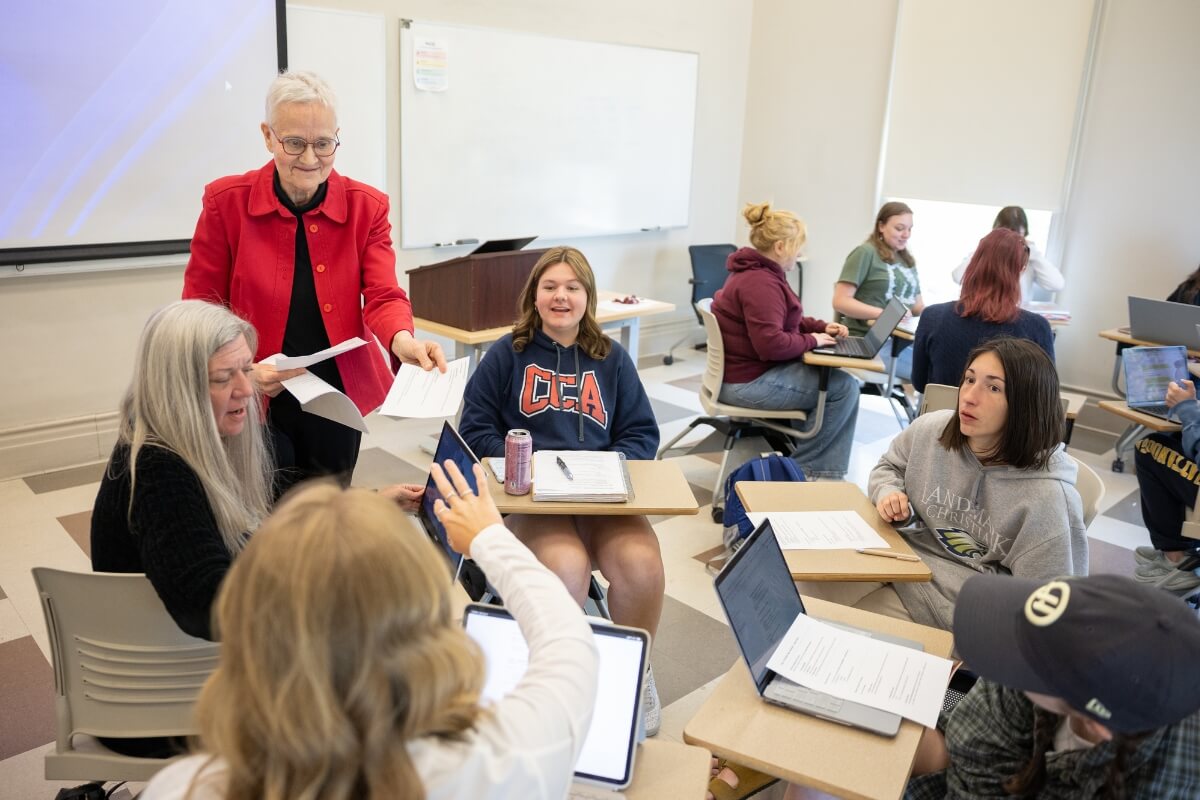
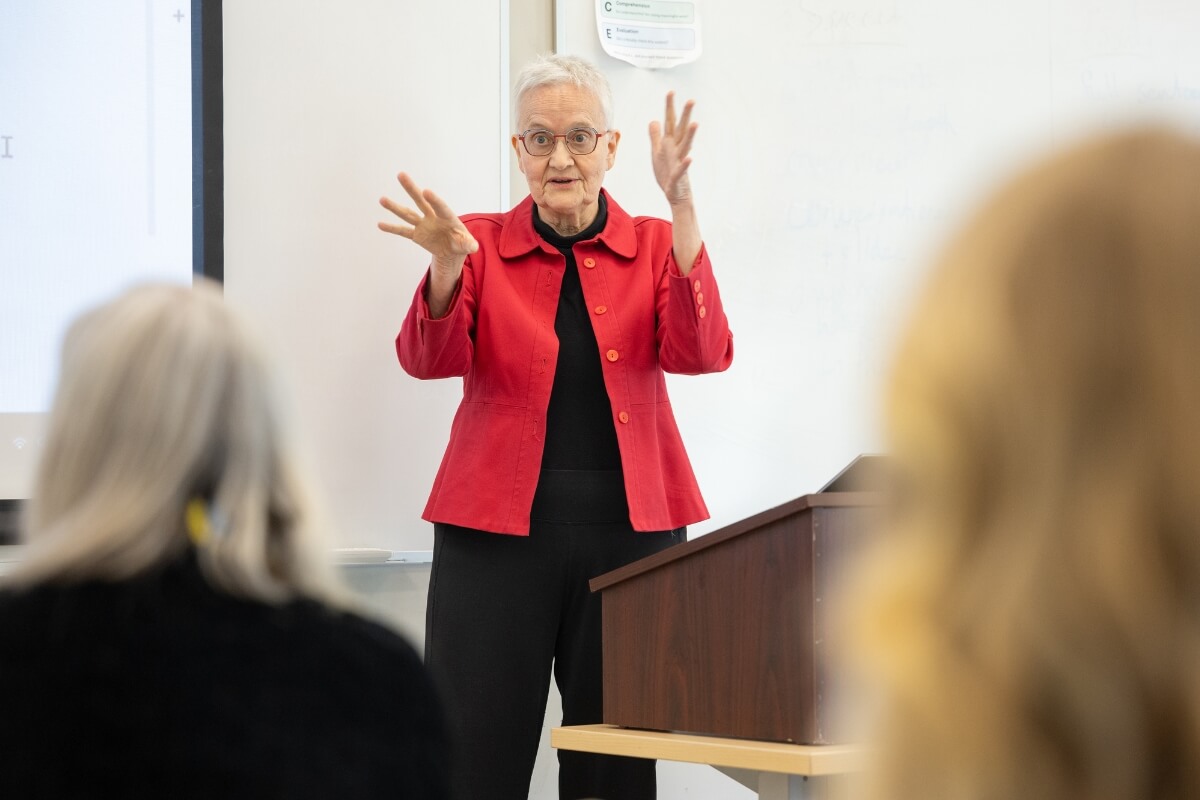
In 2011, she was given her own classroom as a lecturer in first-year composition for the English Department. It was, she said, a great opportunity.
“Writing has always been important to me as a way to clarify my thinking and my feelings, and I wanted students to understand the value of that,” she said. “It was a required course, and I felt like I had the challenge of helping them understand that communication is important for both personal and professional reasons. Now, teaching in the age of AI, it seems very important to help students track their own ideas and thinking through writing.”
Putting pen to paper — or rather, fingers to a keyboard — is a way to cut through the noise, Taylor pointed out. Through their devices, students are bombarded with an overwhelming amount of ideas, opinions, information and misinformation, Taylor said, and writing can serve as an anchor for critical thinking. Making room for their own thoughts and opinions, she added, is more important today than it’s ever been.
That’s also the point of the College’s AI Initiative, she added.
“Our approach is, ‘Slow down and do some thinking of your own,’” she said. “AI can be a useful tool, but it can’t replace what someone actually thinks, and writing can help students articulate and clarify their thoughts.”
After several years as a faculty member, Taylor was tapped to serve as assistant dean of academic success in the Office of Academic Affairs. Her successor — Dr. Heather McMahon, former Theatre Studies professor — had some big shoes to fill, she said.
“As the first assistant dean for academic success, Jan laid a strong foundation for the work I do now, so I couldn’t be more grateful,” McMahon said. “She also set me up for success by being so generous with her time, ideas and observations. She still lets me bounce ideas off her, think aloud and strategize about my work, which is invaluable. She is also just a kind, caring and thoughtful person.
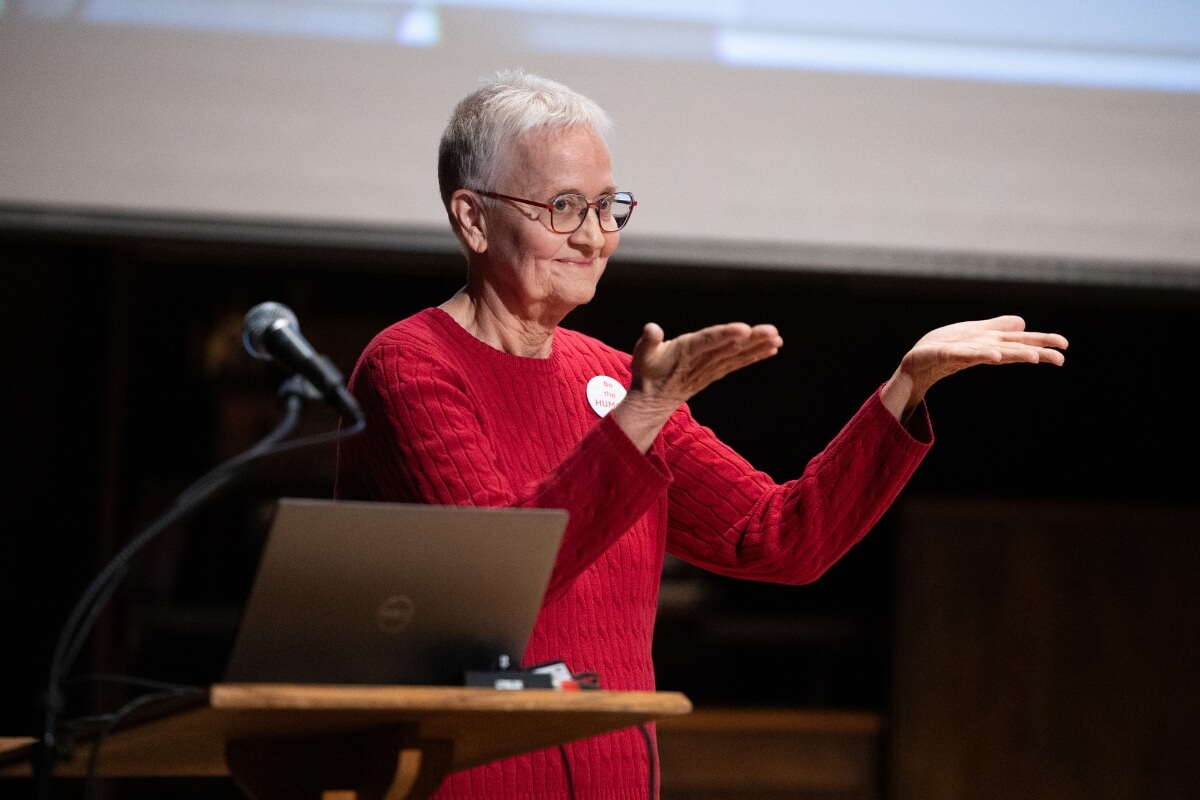
“Most recently, Jan has thrown herself into understanding how AI impacts our students. She stays current on AI (which is no easy task), and she thinks deeply about how we can marry the reality of AI with our students’ liberal arts training. She is responsible for our (AI Initiative) slogan — ‘Be the Human’ — which is a great reminder to all of us about the limitations of AI and the need for the skills a liberal arts education solidifies.”
Taylor has kept abreast of technological possibilities throughout her time at MC, beginning with shifting carbon triplicate progress reports to electronic forms. Along the way, she picked up a web authoring certificate from Nashville State Community College and a Media Literacy certificate from Appalachian State University. In addition, she completed a short course about tech-related pedagogy for face-to-face classrooms, and her training and experimentation with the Tartan LMS (learning management system) were put to good use when COVID necessitated the pivot to online learning.
When she came up for air, her three-year tenure as assistant dean was over, COVID had subsided, and AI was a new academic challenge that needed to be addressed. AI, it appeared, wasn’t just a new techno trend bound to fade with time; students were embracing it, and a plan was needed. Taylor dove into the AI rabbit hole headfirst.
“If they’re going to use AI, we need to give them guidance,” she said. “Last spring I created an AI literacy curriculum, which our Composition and Speech team integrated into the syllabi and assignments. Now, at the end of our pilot year, we have data to refine our plan.
“The stressors around AI are different for faculty and students, but both groups have practical concerns. Some faculty members feel like AI use negatively affects academic integrity and is a waste of tuition dollars; on the other hand, where policies are not clear, students have anxiety about not knowing where the limits are. I believe that faculty need to talk about AI, because when we did a survey in the fall of 2024, 75% of students said learning about AI was either ‘important’ or ‘very important.’ They want to talk about it; they want guidance.”
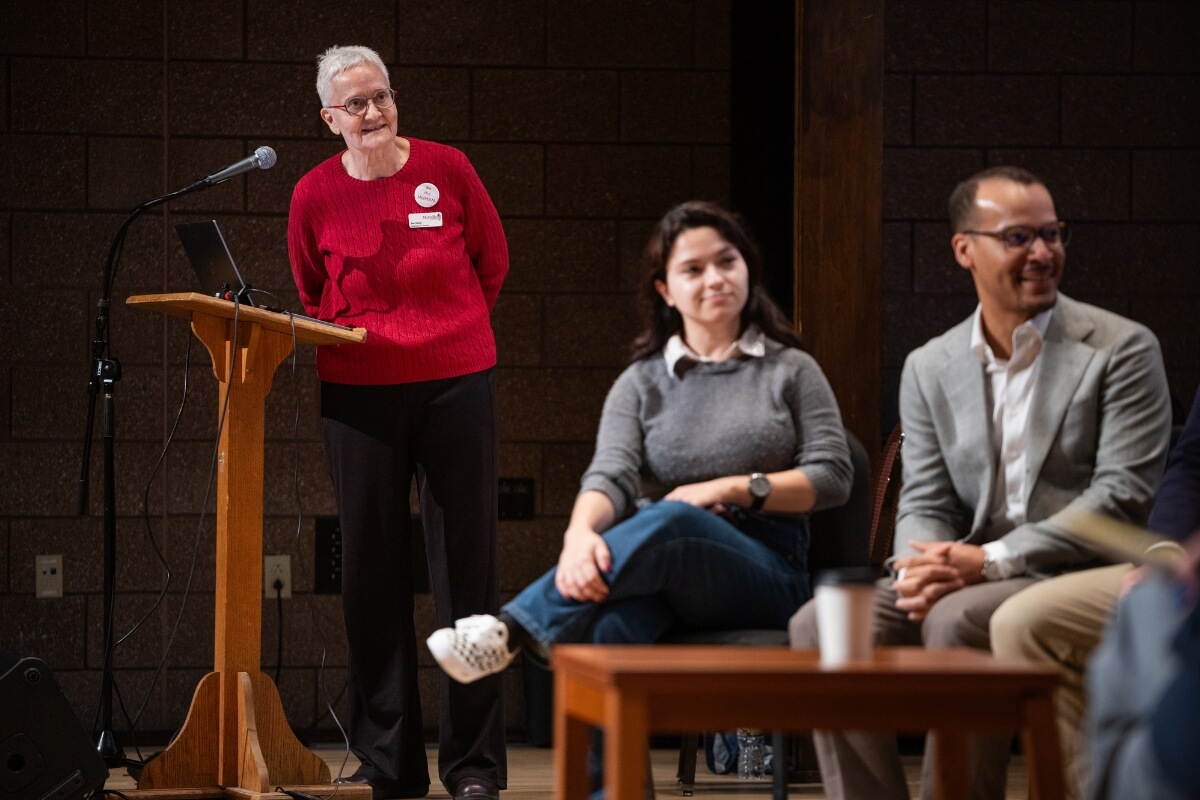
One thing is certain: Taylor is more than ready to talk about it. On April 9, a number of alumni will come to campus to discuss AI in the workplace; on May 12 and 13 at the Maryville College Downtown Center, the College will host its second annual AI Summit to bring together educators, business and nonprofit leaders and community members interested in the ways AI continues to shape education, work and society.
“I’d like to stay in the AI conversation (after retirement) because I find it fascinating, and there’s so much for all of us to think about,” Taylor said. “But what that will look like remains uncertain.”
There are no firm plans beyond her last day on campus, but AI isn’t the only tool among her various skillsets with which she can find meaningful post-Maryville College work … which she plans to seek out, because there’s not really an “off” switch for Jan Taylor, especially when she’s faced with a problematic challenge.
“If I’ve got a problem to solve, then I’m doing interesting work,” she said. “And all of this has been so interesting. I was thinking the other day about the College’s Mission Statement, and how that mission applies to me. This place has allowed me to search for truth, grow in wisdom and be creative, within a community of people who are doing the same thing.
“If I’m learning, I feel more alive, and as a place that’s given me challenges and opportunities to grow and smart colleagues who like to think, it’s been awesome.”
The feeling, McMahon added, is mutual.
“Jan is an amazing colleague thanks to her creativity, passion, curiosity, work ethic and expertise,” McMahon said. “Jan started at the college as a member of the academic support team, and I think that work has infused her time as an instructor and administrator with a genuine care for students and a clear understanding of how students learn.
“I have no doubt that Jan will keep herself busy. Her industrious, curious nature will take her into new places, and I can’t wait to see what she does next.”