Why study Developmental Psychology at MC?
The Major in Developmental Psychology is an excellent option for students who are interested in developmental science across the lifespan and in providing services to children, adolescents and adults. Students in this major build a strong foundation in the theory and practice of development, from conception through aging. Various community-based opportunities are embedded throughout the curriculum for students to learn how to provide direct service to individuals at various ages, as well as engage in developmental research and learn about child welfare initiatives and policy. Students also have opportunities for trainings that lead to valuable certifications and credentials.
Developmental Psychology majors often pursue graduate studies within clinical mental health, speech and language intervention, special education, social work, elder care, gerontology, criminal justice, counseling psychology, public health promotion, law, public policy, advocacy and other areas. The Developmental Psychology major offers options in three contemporary tracks of developmental science: Child Trauma and Resilience, Community Psychology, Relationship and Sexual Health, as well as an option for an individualized focus.
The Psychology Department will create a healthy, sustainable environment that fosters student engagement & leadership in an interconnected world through meaningful educational experiences that contribute to the public good.
Child Trauma and Resilience
Dr. Ariane Schratter, Coordinator
The track in Child Trauma and Resilience represents highly relevant curriculum grappling with the causes and effects of developmental trauma recognized at local, state, national and international levels. The greater the exposure to things such as interpersonal violence, addiction and community violence in early childhood, the greater the risk for later-life problems such as chronic illnesses, poverty, depression and addictive behaviors. With community-wide support, children who have experienced childhood trauma develop resilience to succeed in school, maintain healthy lifestyles and positively contribute to civic life. Students in this track advance their professional preparation and learn how to positively impact populations through coursework, internships and engagement with a wide variety of community organizations.
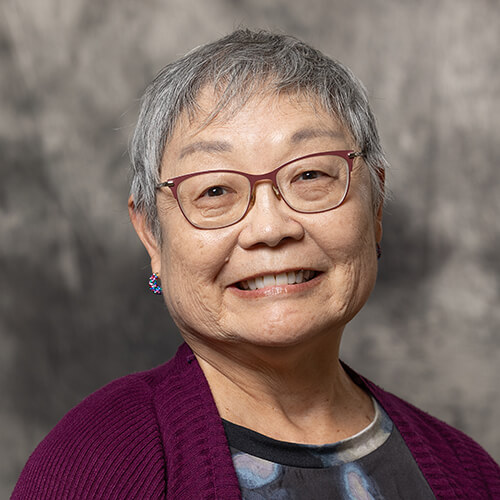
Community Psychology
Dr. Kathie Shiba, Coordinator
The track in Community Psychology explores how individuals across the lifespan relate to their communities and, reciprocally, how communities affect individuals, integrating social, cultural, economic, political, environmental and international influences. Students in this track learn to promote positive change, health and empowerment at individual and systemic levels. The application of social justice principles, the decreasing of human suffering and the promoting of human values of equality and justice are applied to work in professions such as non-profit leadership, education, counseling, criminal justice and political science. The Community Psychology track includes a focus on cultural competency, mediation, communication and policy issues.
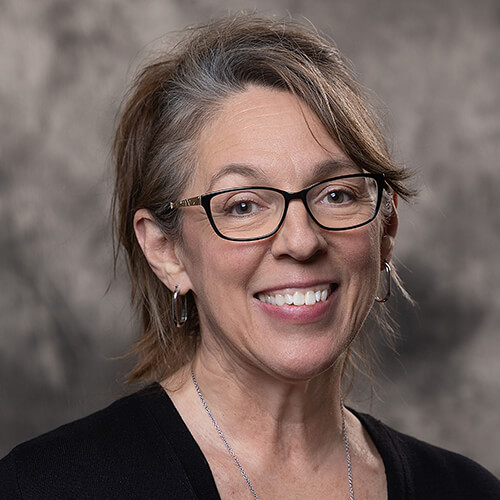
Relationship and Sexual Health
Dr. Karen Beale, Coordinator
The track in Relationship and Sexual Health gets to the heart of how to build healthy relationships and sexual health, as well as how to promote these in the community. Research shows us that when we have relationship and sexual health, we are better students, parents, employees and citizens, and we report a higher quality of life. In this track, students untangle the various constructs at work involved in relationship science and contemporary topics of sexuality using a Bio/Psycho/Social approach and use that information to first enhance their own lives, then focus on infusing key concepts into the community through internships and research projects. Professions where these skills are vital include: education, counseling, public health promotion, public policy, advocacy, non-profit leadership and social work.
Meet a Current Scot
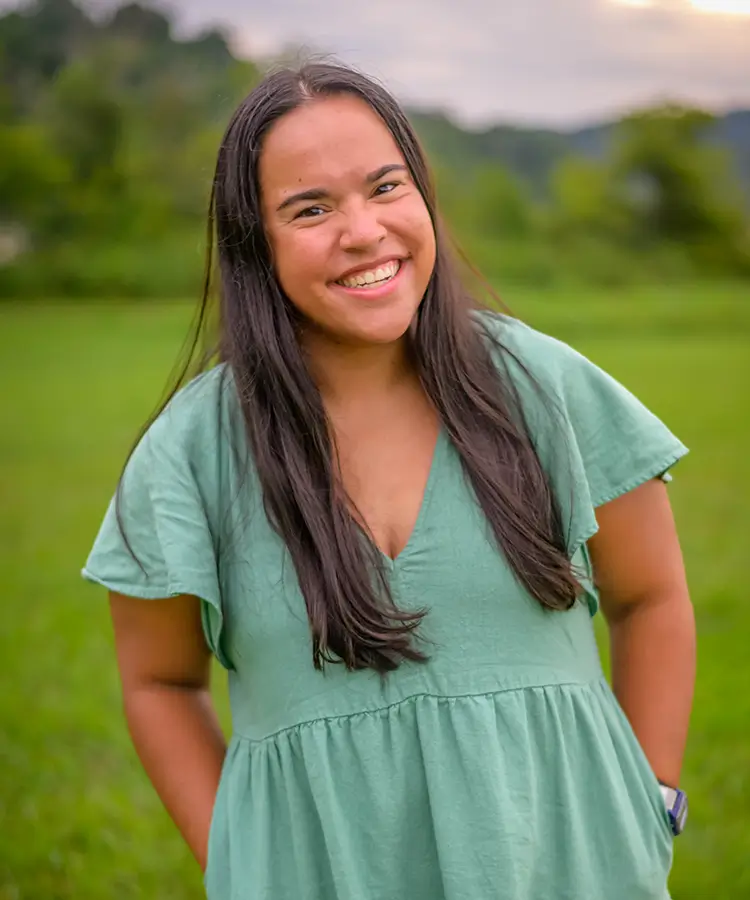
Ella Reyes
Hometown: Knoxville, Tennessee
Majoring in Developmental Psychology (Child Trauma and Resilience track) and minoring in Health and Wellness Promotion, Ella is interested in learning “how children are wired and the impact of childhood experiences on lifetime health and wellness.” Although she is not set on her post-MC plans, Ella would like to mentor children who live in urban neighborhoods or experience trauma – possibly incorporating athletics and performance training.
A student assistant for the Athletics department and Bonner Scholar, Ella explored this approach during a summer internship with Emerald Youth Foundation in 2025. “I’ve gotten the opportunity to serve at amazing non-profits like New Hope Children’s Advocacy Center and Gateway to Independence,” she added. “I really enjoy connecting with my professors and local nonprofits to help make the community better as I continually learn more.”
Meet a Recent Grad
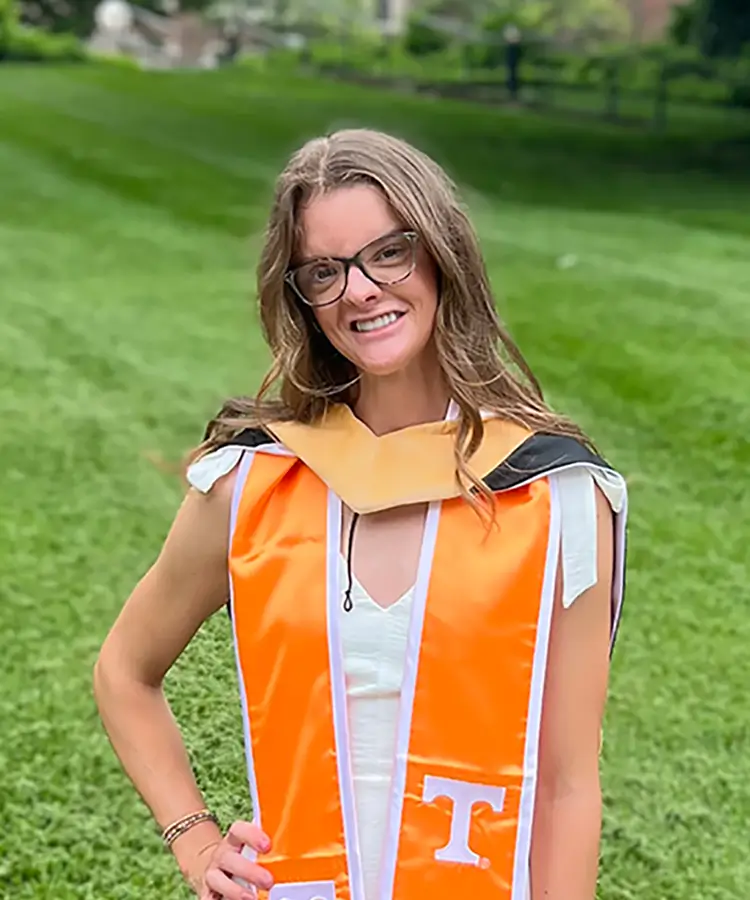
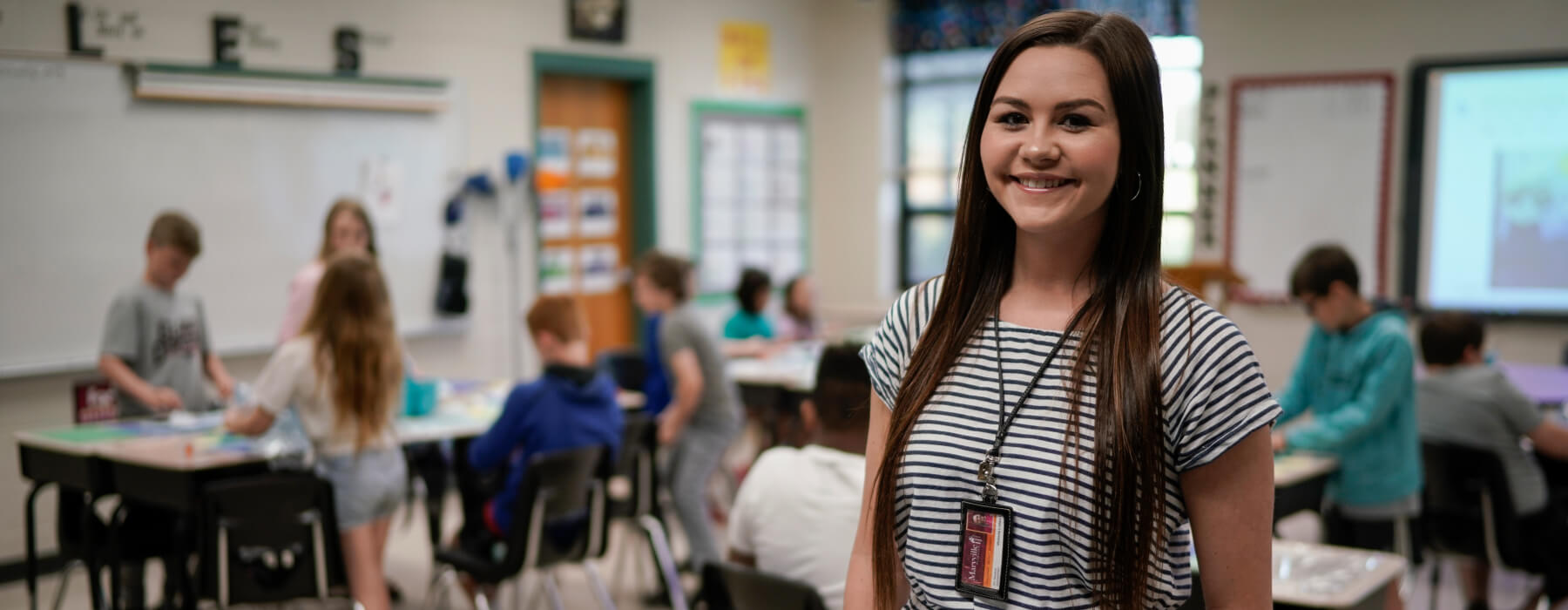
Maddie Cunningham ’23
Currently: Adoption Support and Preservation (ASAP) Family
Therapist with Harmony Family Center in Knoxville/Maryville,
Tennessee
Maddie majored in Developmental Psychology (Child Trauma and Resilience track) and minored in ASL-Deaf Studies, graduating cum laude in May 2023. She then enrolled in the master of science in social work (MSSW) degree program at the University of Tennessee-Knoxville and graduated in May 2025.
Now with Harmony, she does in-home visits, conducts individual or family therapy for families who have adopted and helps plan family and day camps throughout the year at the center’s Montvale property.
“Not only were my classes in my undergrad very helpful to tie into my graduate school classes, but through comprehensive exams and senior thesis, I felt that I had a stronger knowledge of developmental psychology than many peers in my program,” she said.