Why study Computer Science at MC?
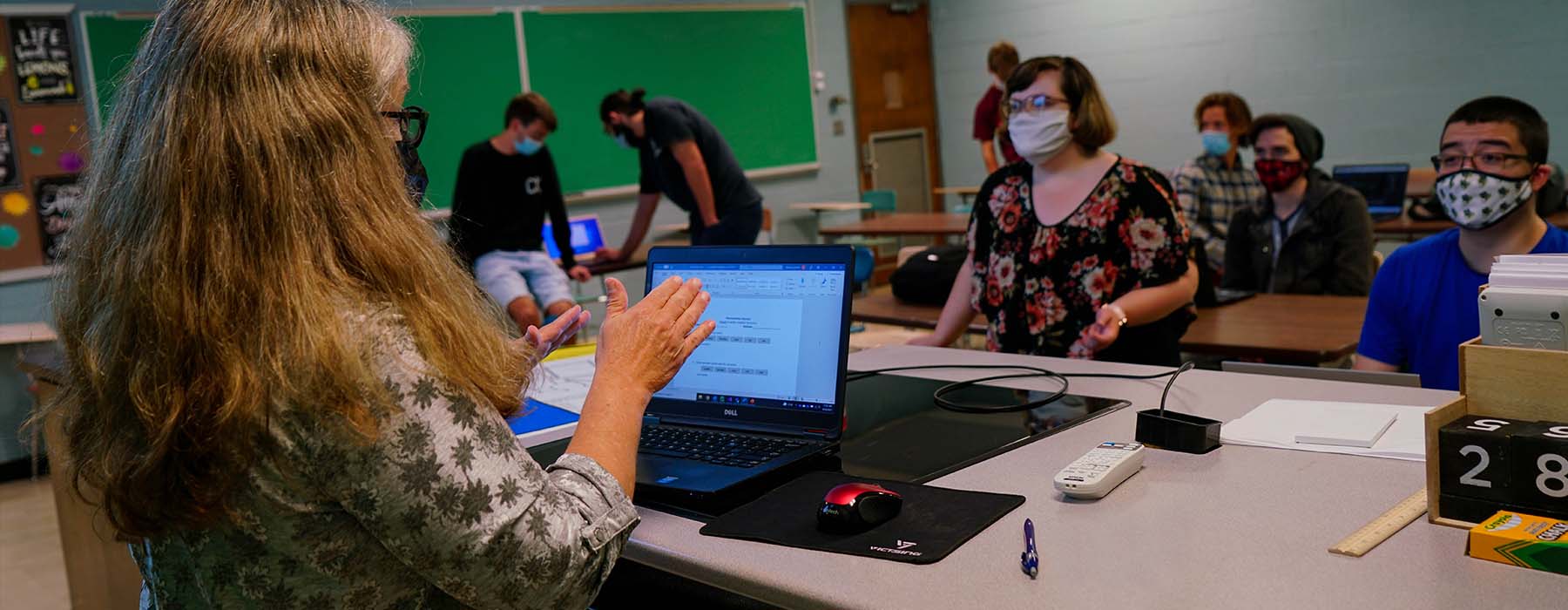
Computing drives innovation in the sciences, ranging from medical research to climate change modeling to military applications and everything in between. It’s a discipline that touches almost everything we do. The Computer Science major develops foundational problem-solving skills that lead to success in a wide range of disciplines. In Maryville College classrooms, Computer Science majors learn to use mathematical and computational thinking to solve real-world problems by combining proficiency in programming with an understanding of systems and algorithms. Outside the classroom, students can extend their expertise by joining clubs like MC3D, where 3D printing is explored, and the Computer Programming Team that prepares students to compete against their peers at other institutions. Diverse opportunities await our students – we welcome you to begin your path with us!
Meet a Current Scot

Chance Loveday
Hometown: Sevierville, Tennessee
Chance, a McGill Scholar, Scots Science Scholar and leader of both the MC3D Club and the Computer Science Club, chose Computer Science as his major because of his passion for learning and helping others. “I look forward to joining the effort to learn about the plethora of unknowns left to discover about technology, artificial intelligence and applications that make our lives easier and make a difference in our community,” he said.
Chance completed a Science Undergraduate Laboratory Internship (SULI) at Oak Ridge National Laboratory in 2023 and returned to the lab in 2024 as an intern in the Advanced Computing for Life Sciences Division, where he trained an AI transformer on medical imaging data. He plans to earn a master’s degree in data science after MC.
Meet a Recent Grad
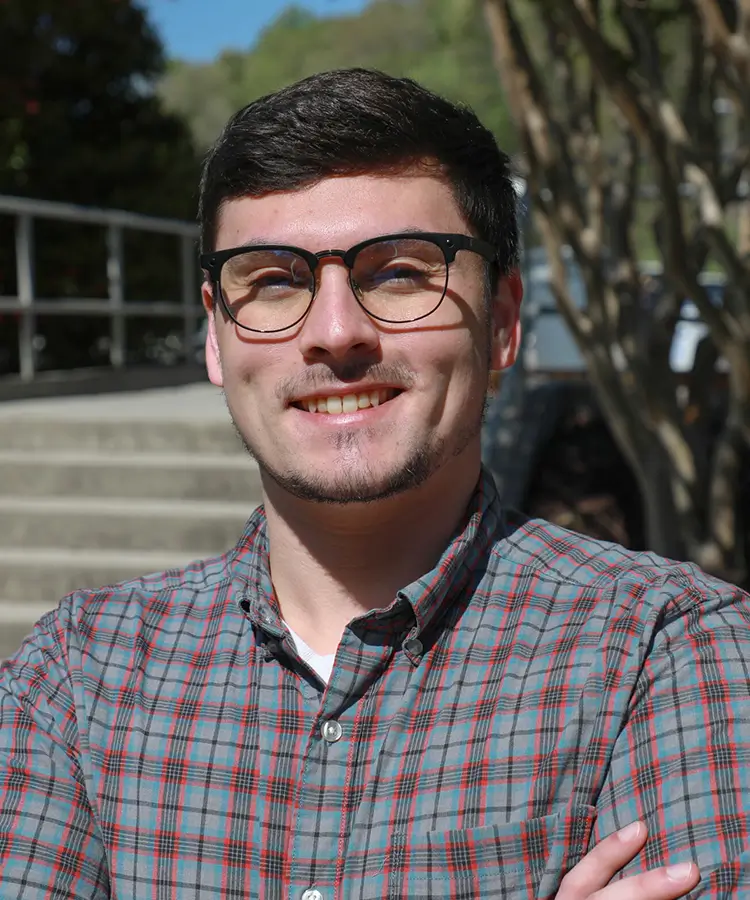
Nathan Keough ’24
Currently: Software Engineer at Oak Ridge National Laboratory, Oak Ridge, Tennessee
Nathan, motivated to study computer science at MC, joined the Scots Science Scholars whom engage in faculty led projects and connect with like-minded peers. During his sophomore year, he was accepted into a cooperative education program with the Department of Defense in Maryland, gaining experience on projects related to national security.
Now at ORNL, his research focuses on key technologies such as cybersecurity, artificial intelligence, and product development to further national security. “Long term, I aspire to build software products that are deployed to solve real-world problems, lead my own projects, and contribute to the advancement of b