Irrefutable evidence: Now 10 years strong, Scots Science Scholars program a success in STEM
Nov. 16, 2022
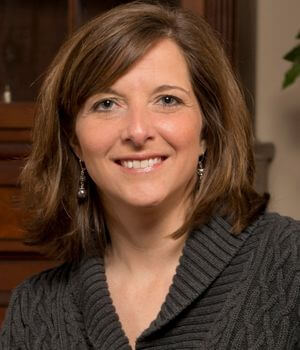
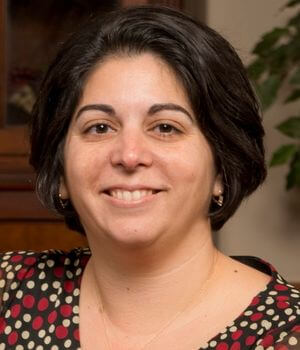
Grants to colleges and universities might seem like “free money” to the uninitiated, but like most faculty members responsible for putting such financial awards to work, Maryville College’s Dr. Maria Siopsis and Dr. Angelia Gibson know full well that the federal government expects a return on investment.
As a result, the two women — Siopsis, a professor of mathematics, and Gibson, a professor of chemistry — recently traveled to Washington, D.C., to present the results of data collected from participants of the Scots Science Scholars, a STEM-focused program funded by the National Science Foundation (NSF). Known on campus and in the community as S3 and pronounced “S-cubed,” the initiative is celebrating its 10th anniversary this year.
It was, the pair said upon returning to MC, a well-received report, primarily because the findings — that participation in the S3 program improved retention rates and erased academic disparities — demonstrate that the goal they set out to achieve a decade ago is being fulfilled.
“We have to report to the NSF annually, because they understandably want an accounting of those tax dollars,” Gibson said. “That requires a lot of resources on campus, because just collecting the data is difficult, but we were both very curious to see where we stood.”
“Gathering that information is for us and for Maryville College as much as it is the NSF,” Siopsis added. “We’re spending a lot of resources, time and financial and physical energy on this program, and we want to be sure there’s a positive effect.”
S3 and STEM interest: Parallel upward trajectories
The bottom line, Gibson pointed out, is to keep students enrolled in Maryville College and to achieve their STEM-related goals. STEM majors — science, technology, engineering and math — are some of the most inquired-about majors at MC, and from the beginning, Gibson and Siopsis have sought to build S3 into an incubator of talent for those fields.
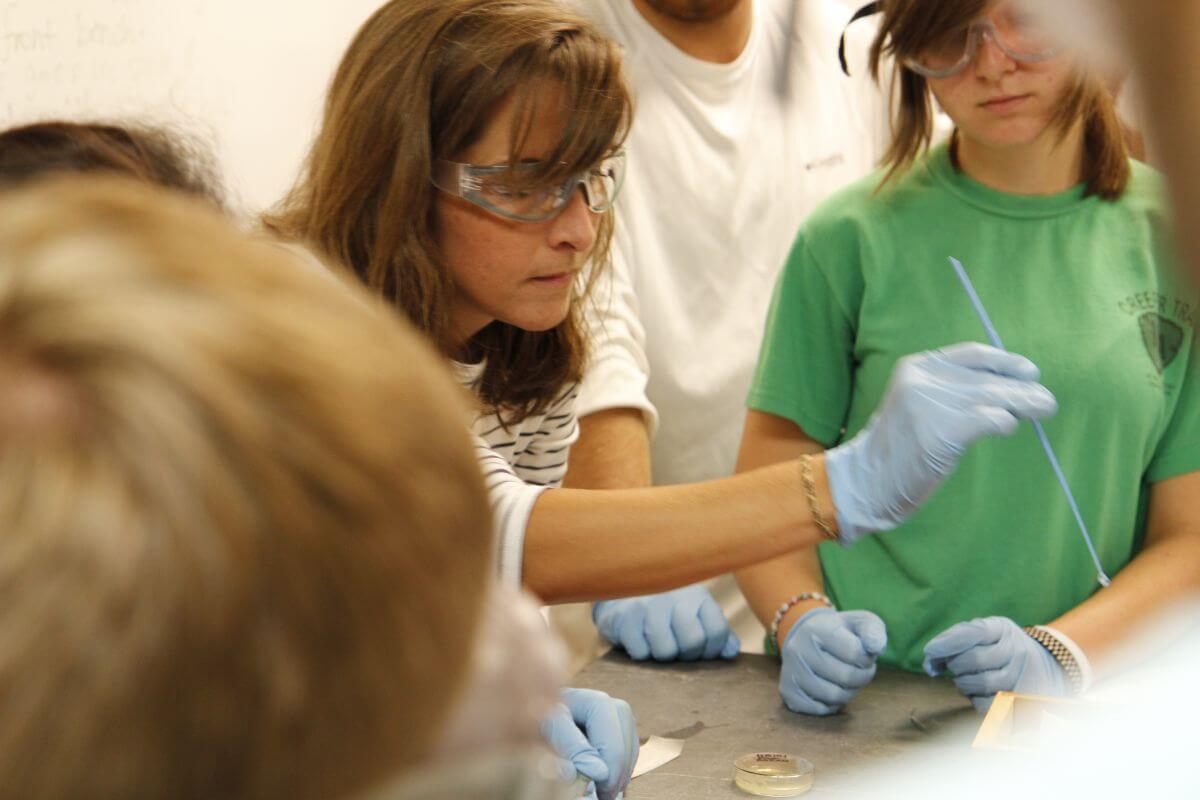
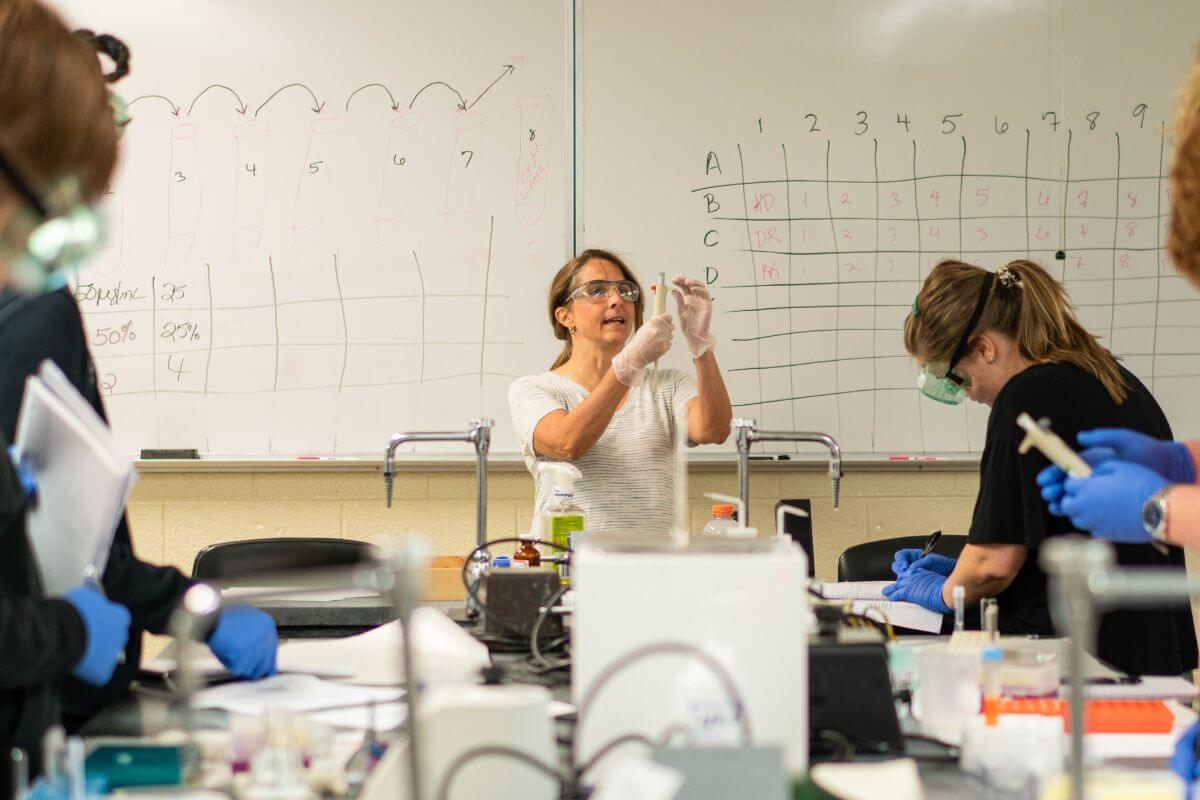
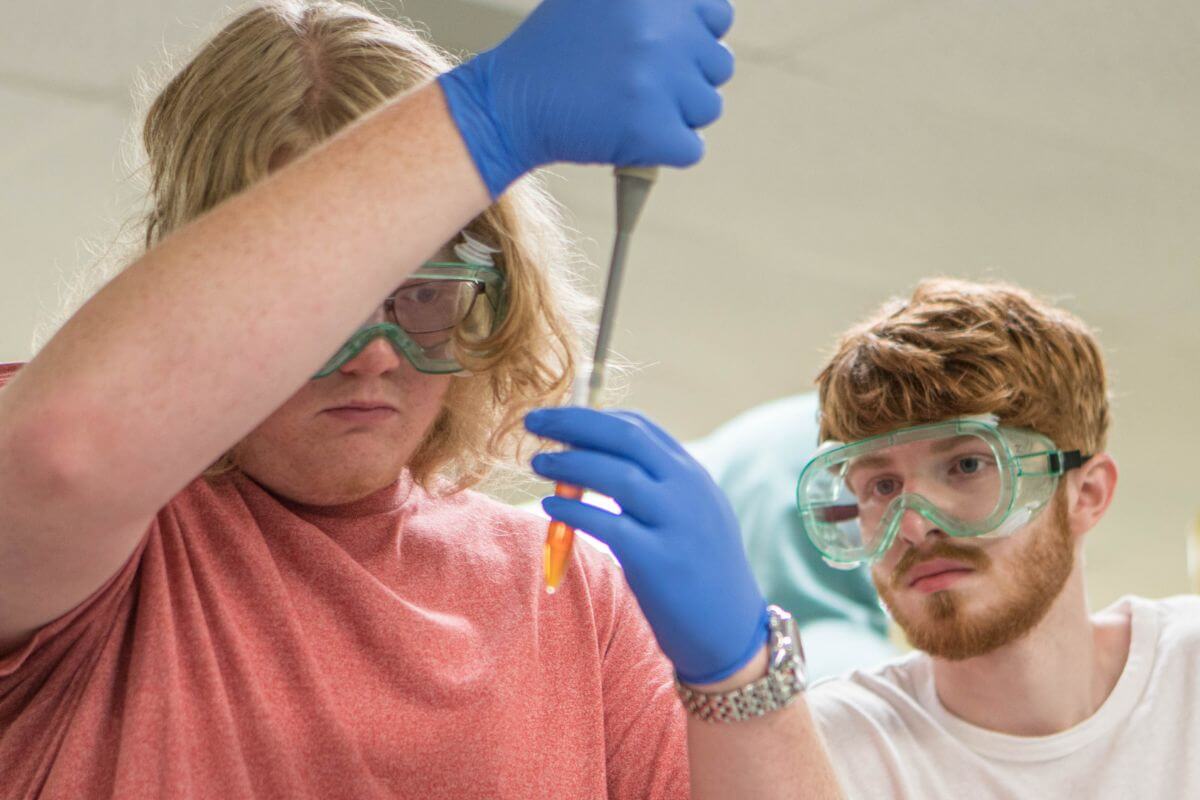
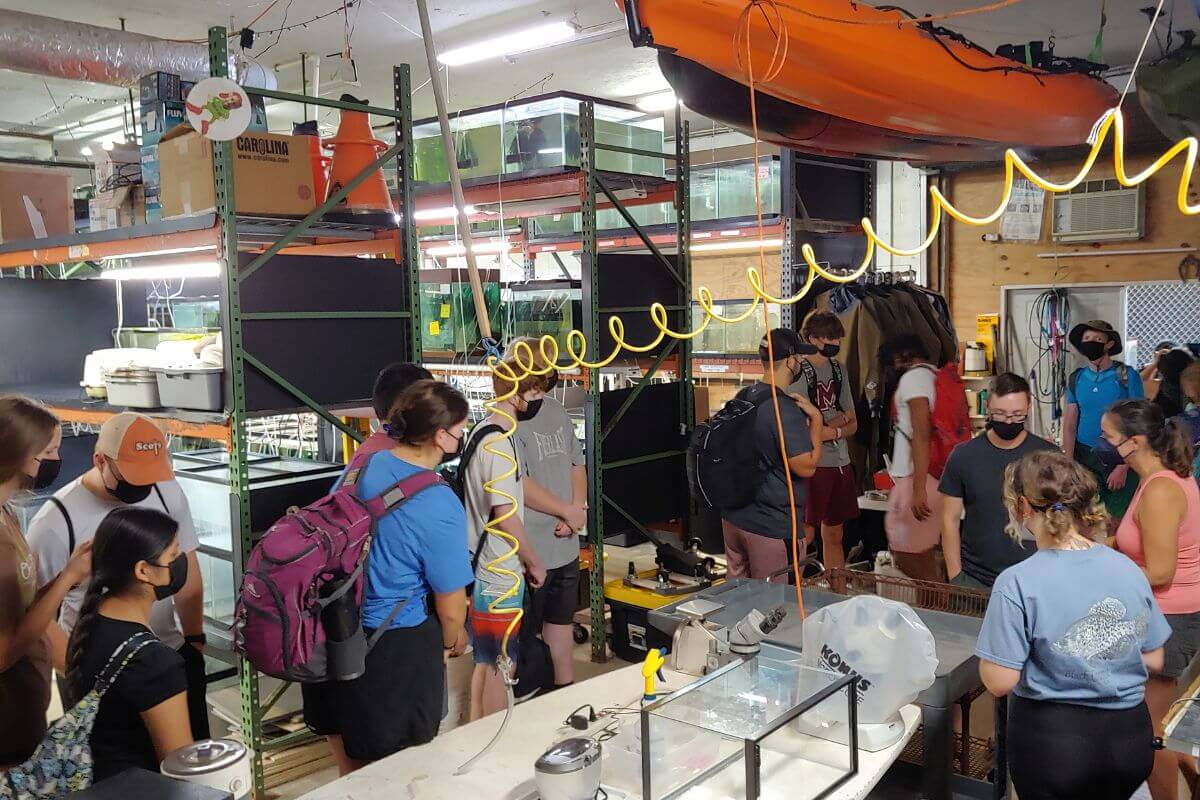
A four-year program, S3 participation includes a two-week, all-expenses-paid, on-campus summer experience for incoming first-year students that gives them early lab, computing and mathematical experiences; research and leadership experience integrated into the Maryville College curriculum for upper-year students; and access to information and vocational advice from S3 peers and science-minded contemporaries in industry, labs and research firms around the country.
Additionally, S3 operates the STEM Success Center, a collaborative workspace staffed by peer tutors and a devoted academic success coach, Brett Longwith. Longwith manages tutors, matches students with academic and non-academic support on campus, and works with faculty and the Maryville College Career Center to connect students with research, internship, graduate school and job opportunities.
Such opportunities, which also include merit scholarships of at least $22,000 toward Maryville College tuition, appear to be paying dividends by increasing graduation rates for all students who participate in the program, compared to similar students who don’t. According to their data, the program appears to have an even higher impact on students from underrepresented ethnic and racial groups and low-income students.
“I think the magnitude of the difference was especially surprising,” Gibson said. “Among non-White students, the S3 graduation rate is 20 percentage points higher than for our matched cohorts (non-S3 students in STEM majors), and that is 10 percentage points higher than for demographically matched students in the general population. And we’re seeing the same sort of trend for high financial need students, with S3 participants from that demographic having significantly higher graduation rates.”
Those rates trend along the same lines as similar data collected three years ago, Siopsis added, that demonstrated S3 students stay enrolled and graduate at higher rates than students from the general population, regardless of financial need. That’s a remarkable finding, the professors added, because national college retention and graduation rates are lower in STEM for students with high financial need.
“We know that nationally, college retention and graduation rates in STEM are lower for students with high financial need, but we were able to erase this disparity,” Siopsis said. “Dr. Gibson and I were both first-generation college students, so we know where they are coming from. We know the challenges they face, and we know they work hard. They deserve to find success, and we want to help them with that.”
S3: An incubator for scientific talent for 10 years now
Gibson and Siopsis founded the Scots Science Scholars program in 2013 with a $380,000 grant from the NSF. Over the past decade, the success of S3 is attributed in part to contributions from both Maryville College, which committed to fully funding the program in 2019, and from local aluminum manufacturer Arconic, which provided funds in 2015 to build out the STEM Success Center in the College’s Sutton Science Center.
A second NSF grant, this one valued at $1 million, was received in 2019 and allowed the pair to expand many S3 programs to any Maryville College student who wished to take advantage of them. The S3 Summer Experience was launched in the first year of the program to bridge the gap between the careers of STEM-oriented students transitioning from high school to college.
It’s proven so successful that the Summer Experience, along with other S3 initiatives, lay a foundation of STEM knowledge that even those who pursue different academic avenues carry with them.
“We see it as a success when a student discovers the field that really best aligns with their interests and talents, even if that is not the STEM field they initially thought they wanted to pursue,” Gibson said. “We’ve had students come in thinking they wanted to major in Chemistry or Biology but then realized they didn’t love lab work as much as they thought they would. And then maybe they changed to Mathematics but after graduation found a flourishing career in the business analytics field.”
“We’ve had teachers, accountants, environmental studies majors, human resource managers, psychologists — all different kinds of job fields that demonstrate the broader impact of this program,” Siopsis added. “These students, even when they decide they don’t want to complete one of our majors, can still be a Scots Science Scholar as long as they take part in our programming. Because in the end, we know that whatever they do, they’re going to be science literate, and they’re good ambassadors for the sciences and math.”
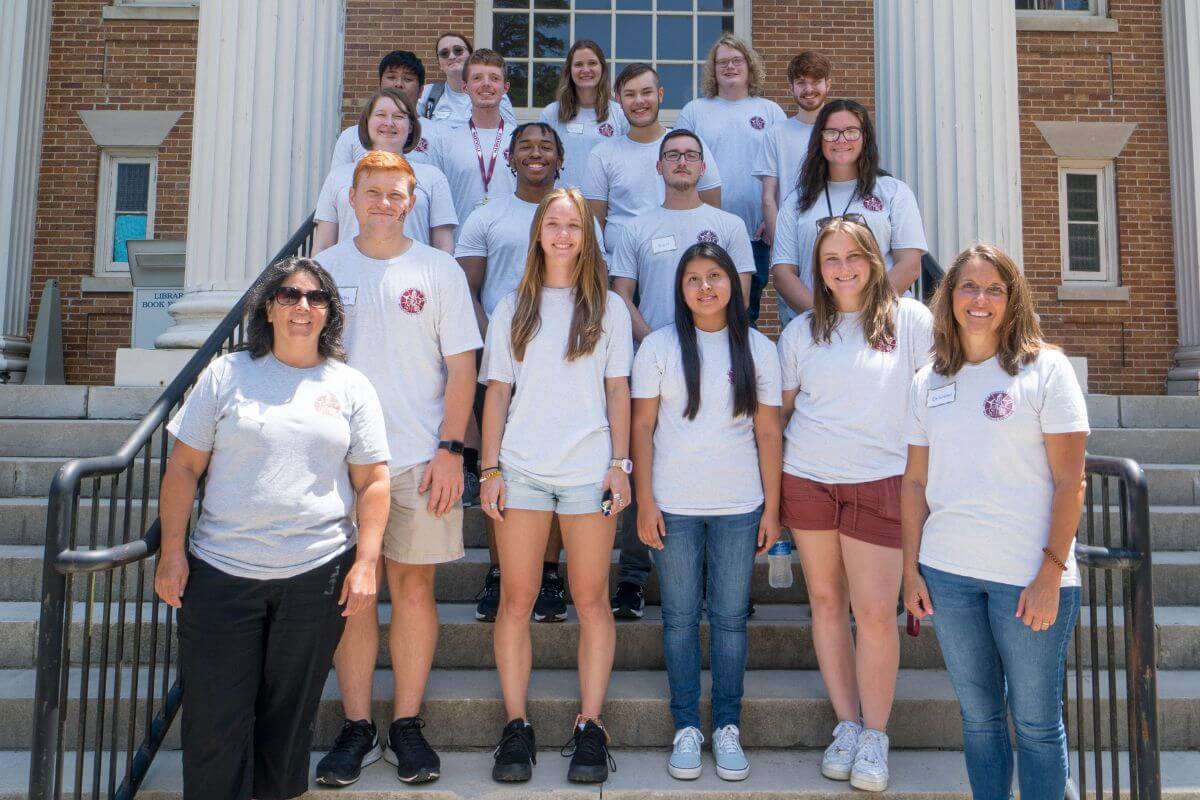
Of course, a great many Scots Science Scholars do pursue careers in STEM fields, and Gibson and Siopsis can rattle of a list of graduates who are now pursuing graduate degrees in STEM fields, studying medicine and pharmacy, or have joined the workforce in any number of science-related fields. But don’t take their word for it: The proof is in the numbers, which earned them some much-deserved spotlight during their recent trip. With the start of its 10th class, S3 has enrolled 158 scholars at MC, and consistently, more than 10% of MC students attend events sponsored by S3 each year, or access support services provided through the STEM Success Center.
“When STEM folks from a liberal arts college go to a conference with larger schools and more research-based schools, often it feels like we’re at a little bit of a disadvantage, because we may not have the resources to do research at the same pace or volume as large research universities,” Gibson said. “But we know how to educate students and build programming that works well for them, and at STEM conferences, as early adopters and creators of some of these methods, we are on the leading edge of some of the programs that bigger schools are just now learning work well.”
And that, the two educators say, is why they conceived of S3 in the first place: to create a space where the liberal arts approach to the sciences can be applied on a level playing field for all students who want to study them.
“We want to make it a culture for our STEM students to understand that this is a collaborative environment,” Siopsis said. “It’s hard work, but you don’t do it by yourself. You find support, and you find support in your peers, and that’s why the Summer Experience is so critical. It creates this cohort that loves each other and wants to be part of STEM success together, and that’s our critical mass.”