Cultural immersion, global learning and positive travel practices at forefront of Travel Study Programs
Oct. 10, 2023
Understanding and experiencing culture are at the center of all Maryville College travel study experiences. While all trips explore different subjects, locations, and experiences, one tenet rings true across all of them: immersion through experiential learning.
Over the summer, two travel study programs, led by Maryville College staff and faculty, took students to the United Kingdom and Costa Rica. Even though the two programs took place on different continents, both shared similar goals: cultural immersion, global learning and unproblematic travel practices.
MC In Harlaxton
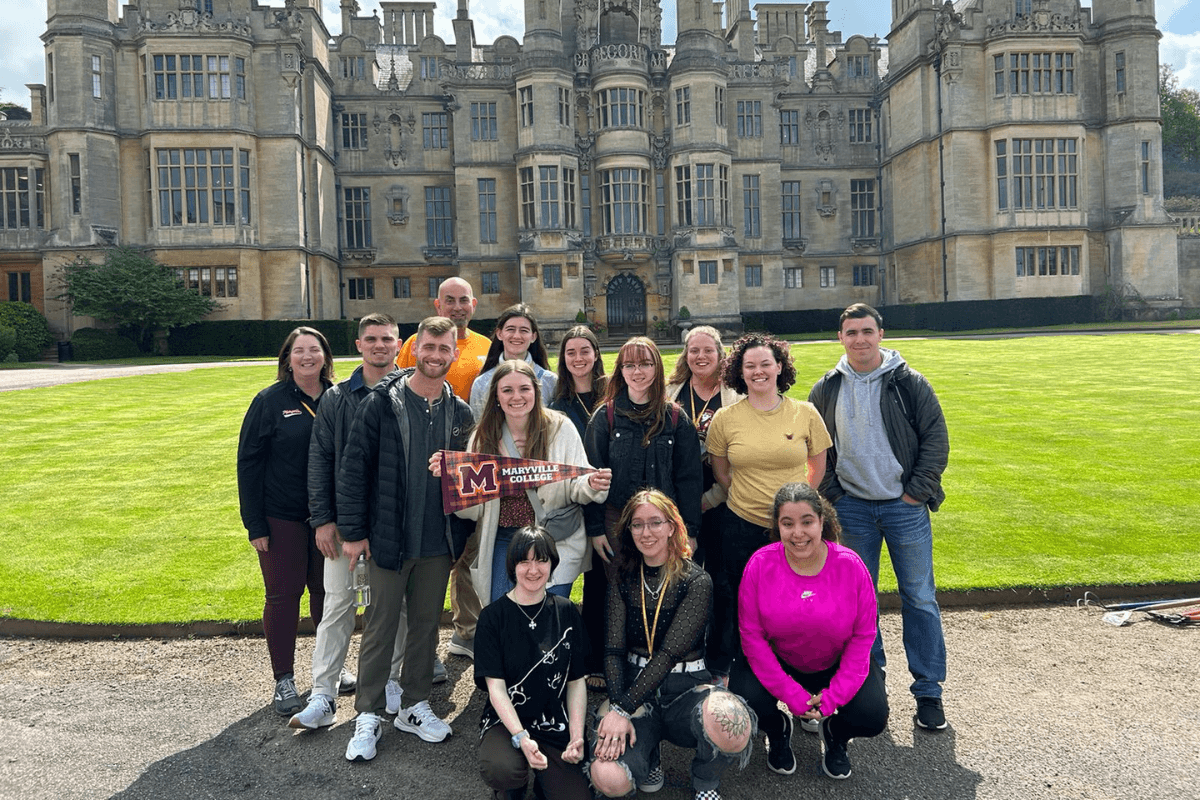
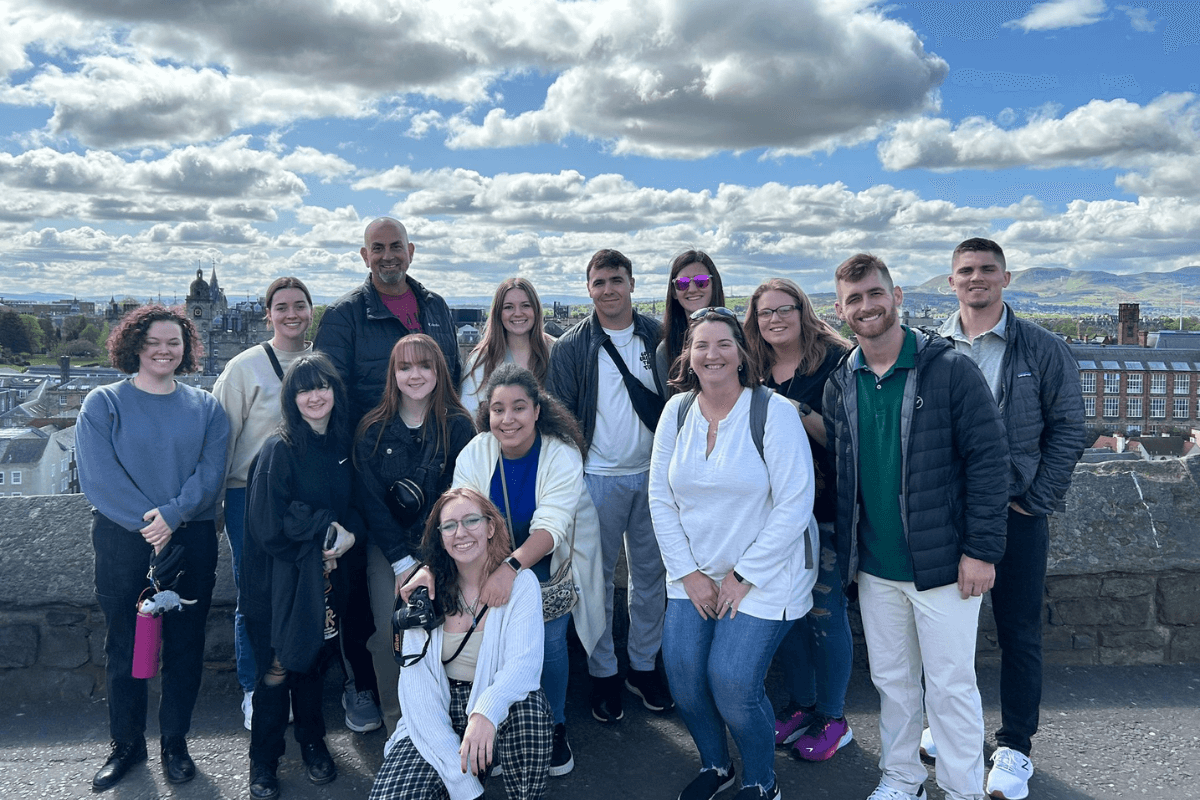
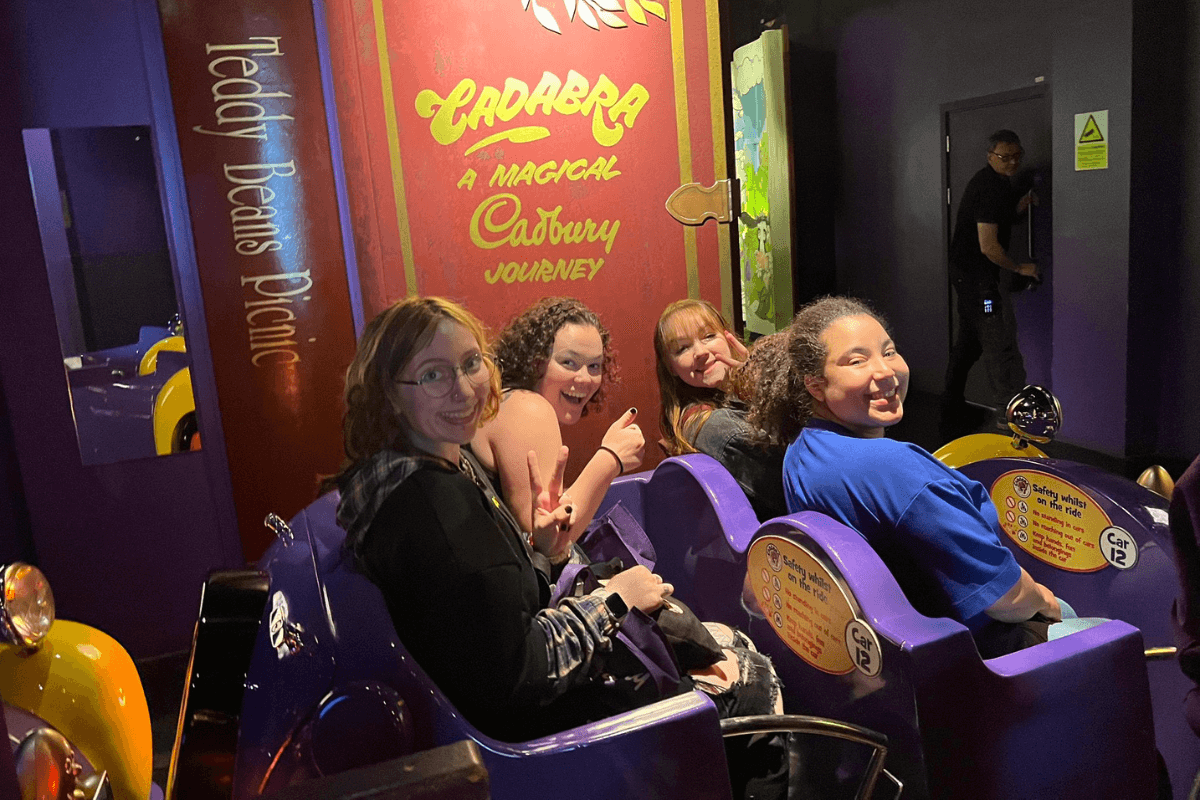
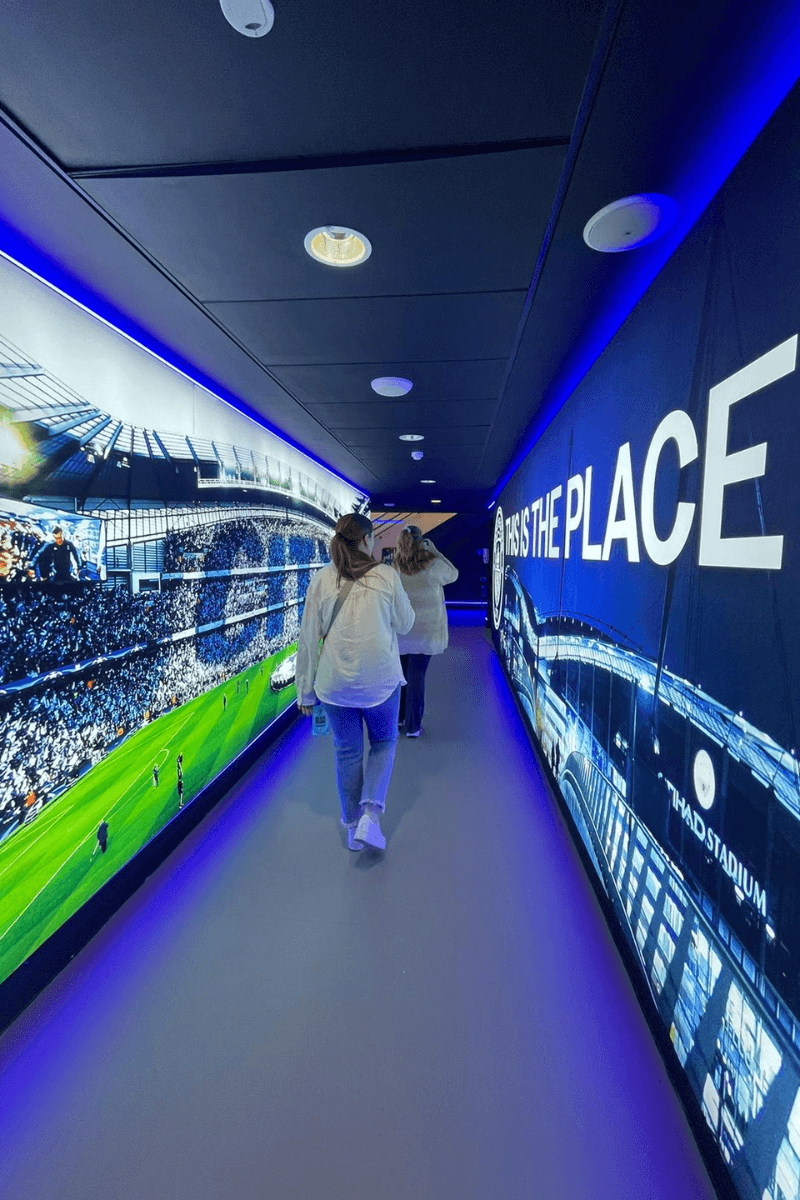
Dr. Gabie Kerr, assistant professor of management, led MC students to England and Scotland to learn about global business practices, communication, and responsible contribution. The group spent just over two weeks in the United Kingdom, beginning its travel study excursion in Edinburgh, Scotland. Students visited significant places from Scottish history, including Edinburgh Castle. After the group left Edinburgh, they continued to Harlaxton Manor in Grantham, England, which served as the group’s home base for most of the trip. During their time at Harlaxton Manor, the students got a taste of businesses working in the United Kingdom with visits to Manchester City Football Club, Cadbury, Trent Bridge Cricket Club and more.
Zineb Aarab ‘24 explained that learning that “soccer was connected to the revitalization of the city of Manchester” changed how she views business.
From Harlaxton Manor, the students also traveled to Leicester, Nottingham, York and more. The program ended in London, where they toured the Houses of Parliament and explored the city before heading home.
Aarab remarked that visiting York was one of the most beneficial moments of the trip for her.
“As much as I am a ‘big city girl,’ York just made me happy,” she said. “You could see it in people’s faces. It was exceptional to see diversity in the UK and how people presented themselves. It was great to see how self-expression was free and people were content with themselves. I saw people being comfortable being by themselves. It was great to be immersed in the local culture. We went to a lot of the historical sites in York as well.
“Again, the thing that stood out to me was how happy the locals seemed in York. Seeing happiness around you helps lift your spirit. I knew there would be different food and accents, but I didn’t expect to see in the UK citizens put themselves and others before work. In the UK, a conversation starter is an actual conversation. They really put themselves and mental health first.”
“The group learned how to live in the moment and to have conversations with people of all backgrounds. By putting themselves out of their comfort zones, the students truly grew and appreciated the opportunities we had in England. By being uncomfortable and learning experientially, we learned a lot about international business, life and culture together,” Kerr added.
MC In Costa Rica
While the UK program was career-focused, students studying abroad in Costa Rica focused more on the environment and human experiences.
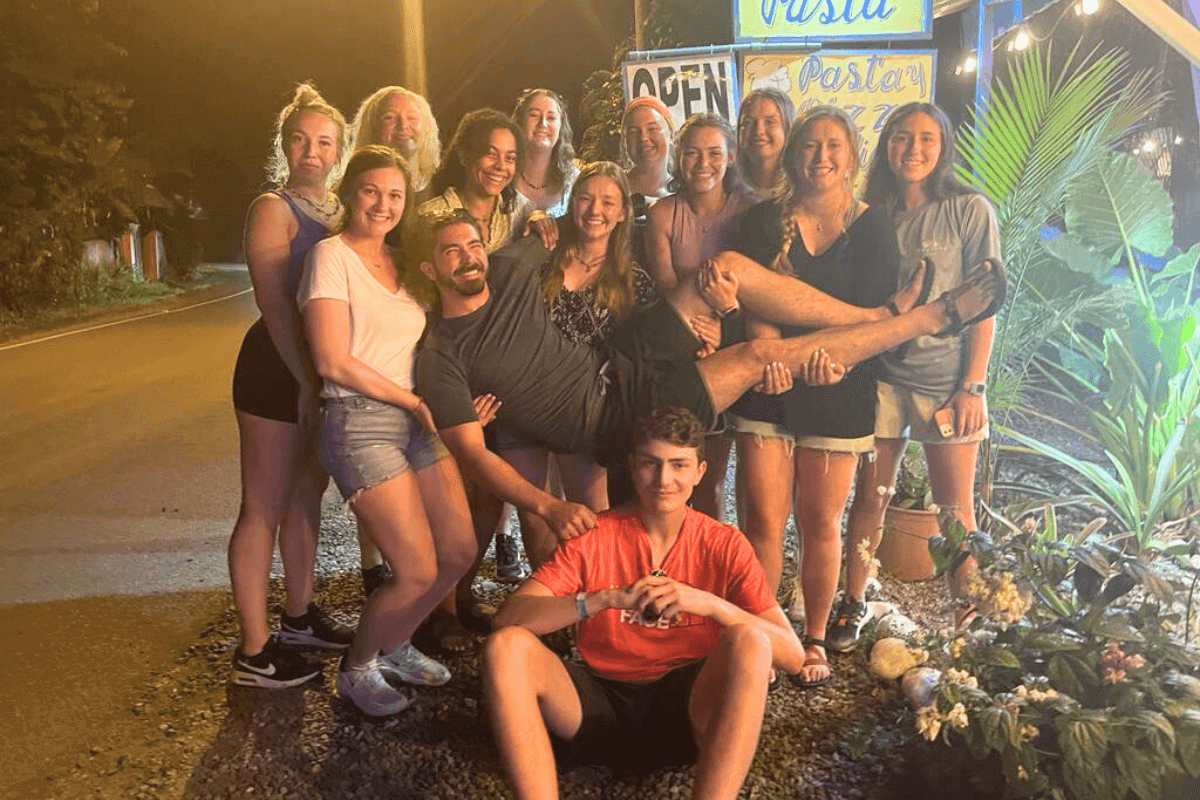
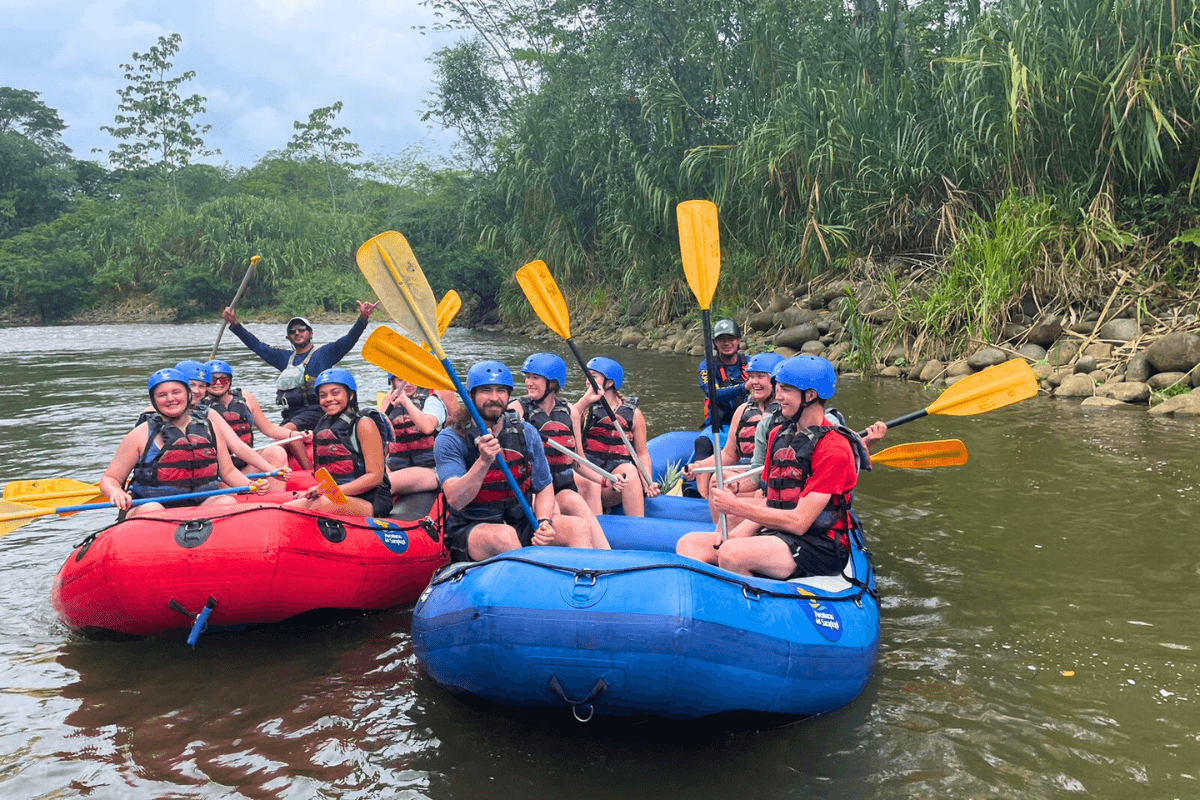
Kirsten Sheppard, director of the MC Center for global engagement, and Dr. Jennifer Oody, associate professor of exercise science, co-lead the travel study program in Costa Rica. The group spent almost two weeks traveling throughout the Central American nation, where students explored Costa Rican culture, values, behaviors, responsible travel methods and Blue Zones.
“Blue Zones” are areas in the world where people live the longest, according to Oody.
“Blue Zones have four key components: diet, movement, the right outlook and connection. From practicing a plant rich diet, movement being integrated naturally into their days (often travel without cars), finding time to rest and reconsider one’s purpose and establishing meaningful connections to each other and to the planet are some ways that make Costa Rica a Blue Zone.”
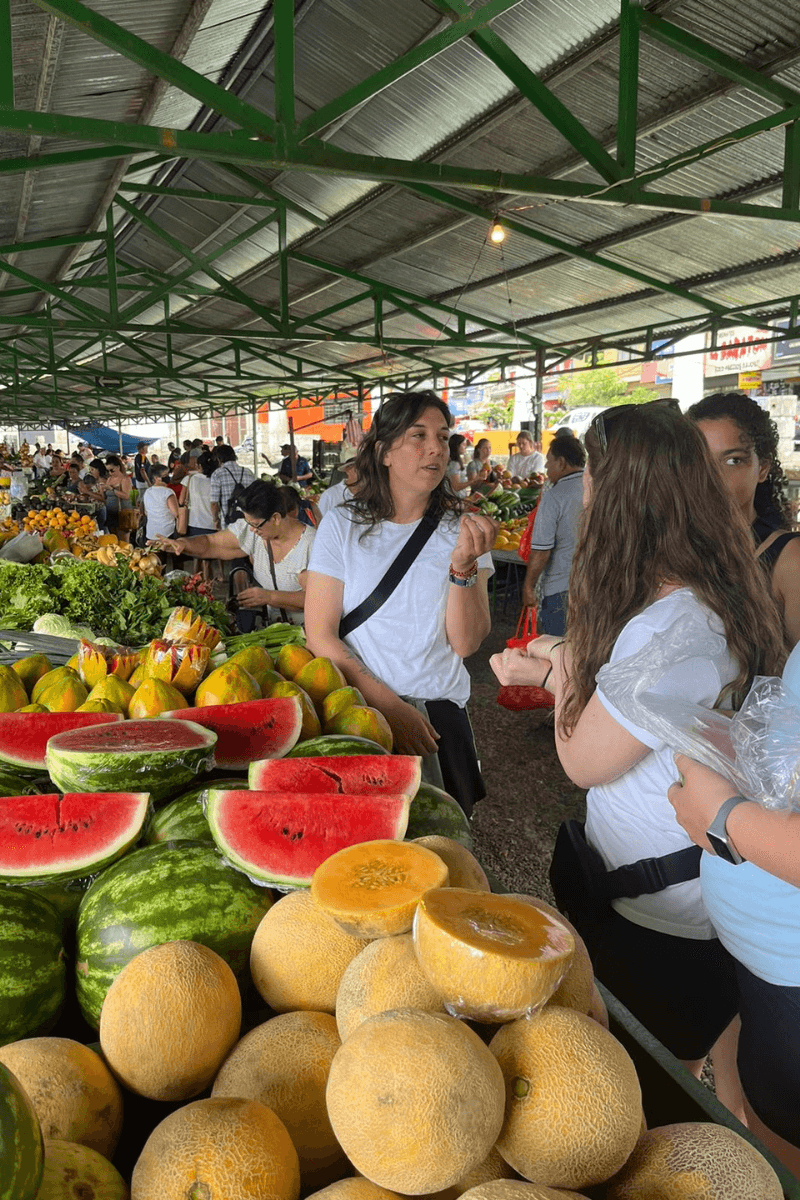
The group traveled to Turrialba, the Chirripó Mountains, Puerto Viejo, Sarapiqui Rain Forest, La Fortuna, Arenal Volcano, Villa Real and the Nicoya Peninsula. During their time in Costa Rica, the group visited natural landmarks, wildlife refuges, recycling facilities, Indigenous groups and farms.
Promoting longevity of people and the planet was at the heart of the program.
Examining the way Costa Ricans, or Ticos, create community was another focus by the MC travel study students. Micayla Domingues ‘24 remarked that visiting the Cabécar people helped her better understand community and connection in Costa Rican cultures.
“People mean so much to other people there,” she said. “Living and being happy/content with your life is the No. 1 priority. It wasn’t productivity; it’s ‘you are a person, and we are going to take care of you.’ Feeding off the energy that you do mean something. It gave me a goal to bring that energy back to the USA with me and to see that every individual whom I meet has meaning and deserves to be treated with respect.
“We learned how to create our own personal Blue Zone. Prioritizing sleep, eating, and daily exercise, meaning incorporating more walking,” she continued. “I learned how Costa Ricans rework their entire lifestyles in a healthy way, not to be healthy for the sake of being healthy, but simply living their lives.”
The group also learned about responsible and sustainable travel. From staying at local hotels to frequenting locally owned restaurants, the group attempted to live within their means and spend their money so that it would recirculate and affect the local community in a positive way.
“By the end of our time in Costa Rica, the students understood that every time you travel somewhere, there is a social, economic, and environmental impact on that space,” Oody said.
The group also took measures to travel in the most sustainable way possible. For example, the group carried reusable water bottles and completed a service project to offset the negative impact a travel program had on the environment.
“A study abroad experience is a hallmark of the Maryville College student experience,” Oody added. “It truly gives them the opportunity to experience something so outside of what they know. It’s scary and exciting and overwhelming. The sense of belonging, purpose, and how they care for things outside of themselves (other people and the planet) isn’t replicable at a desk sitting inside a classroom.”
For the 2023-2024 school year, there are six travel study programs planned. For more information about them, see the Maryville College website.