Scots Sports Superiority, part three: Commissioner’s Cup a capstone on a stupendous year
July 19, 2024
EDITOR’S NOTE: Maryville College was awarded the Collegiate Conference of the South Women’s Commissioner’s Cup for athletic success during the 2023-24 academic year. This is part three of a three-part series examining everything that made it possible.
For Maryville College Athletics Director Sara Quatrocky, it’s about the journey and not the destination.
There will never be a time of arrival, when MC is crowned as “the best” on the fields and courts of competition. That’s the nature of athletics: Talent, discipline and luck can determine the outcome of a game in a nanosecond, and the team that wins a conference championship one year can fail to qualify for it the next.
But along the way, there will be moments of validation. It’s often fleeting, as all victories are, but it reinforces the idea that the culture of Maryville College Athletics is still headed in the right direction, and that the success of the women’s programs is every bit as prestigious as that of their male counterparts.
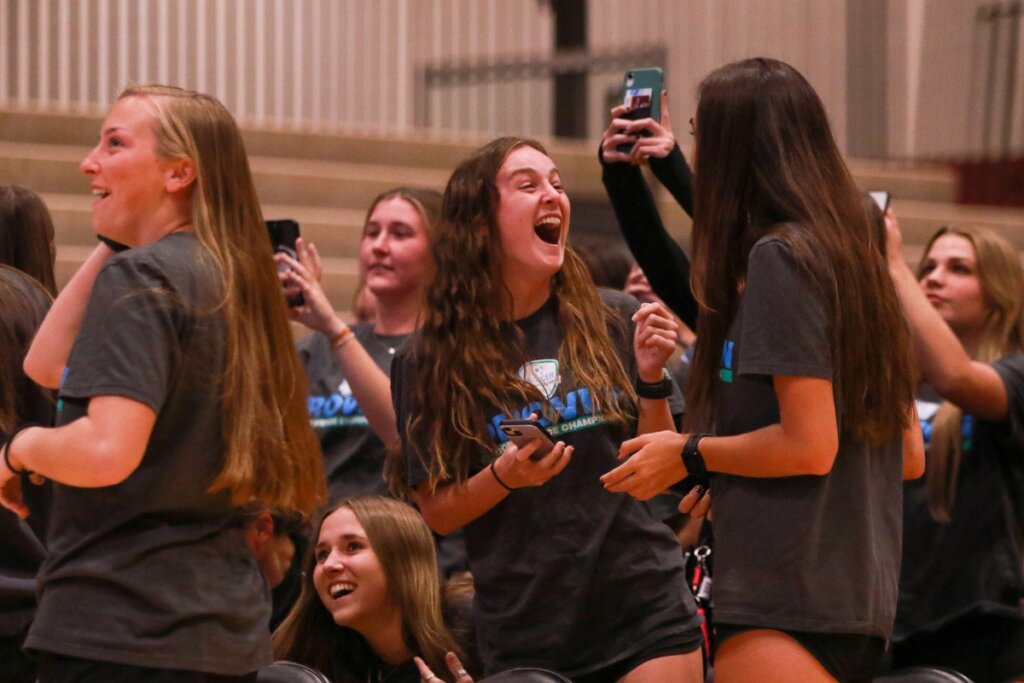
One of those moments took place in June, when Maryville College was named winner of the Collegiate Conference of the South Women’s Commissioner’s Cup, presented for all-sports excellence in women’s athletics.
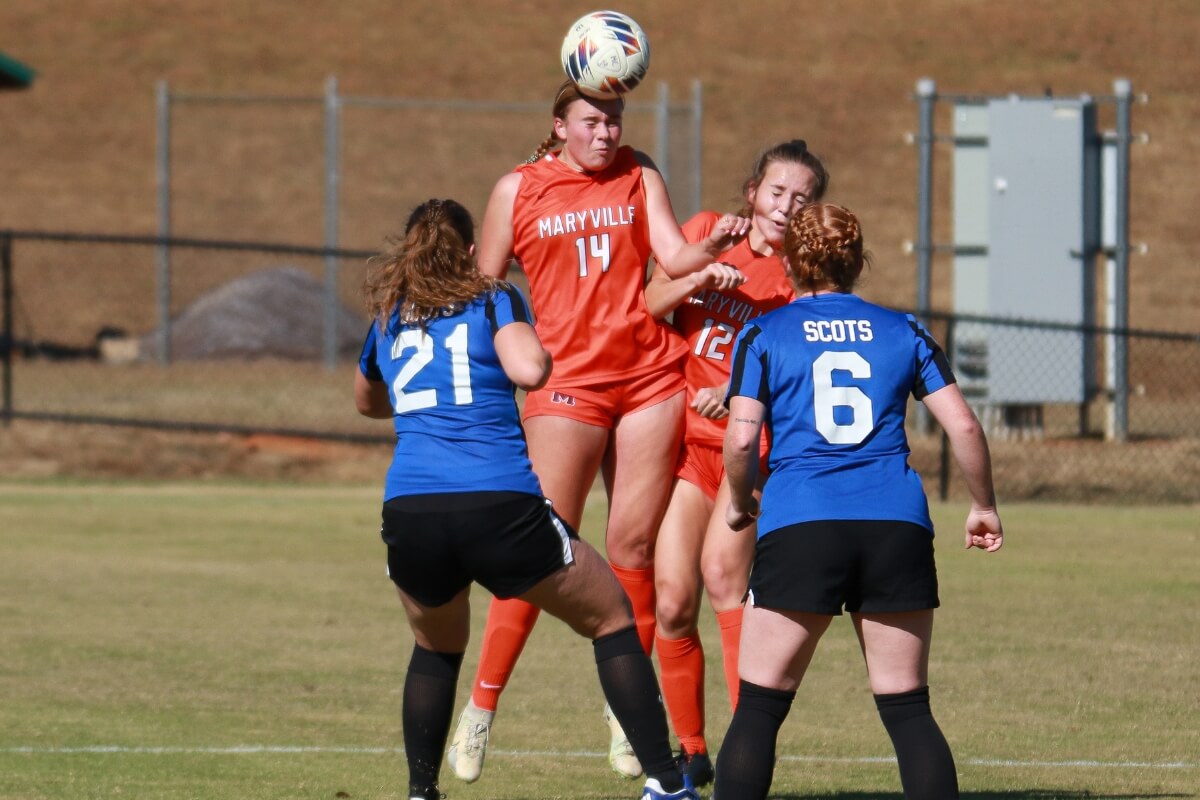
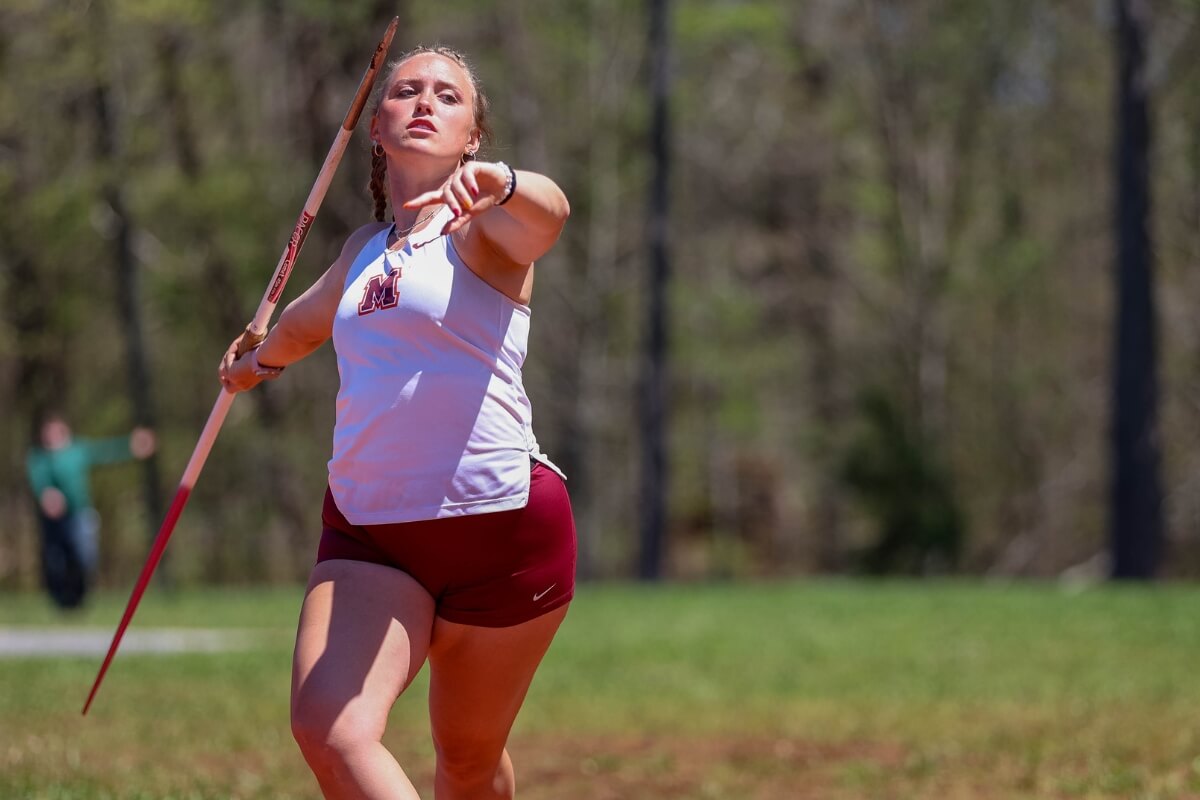
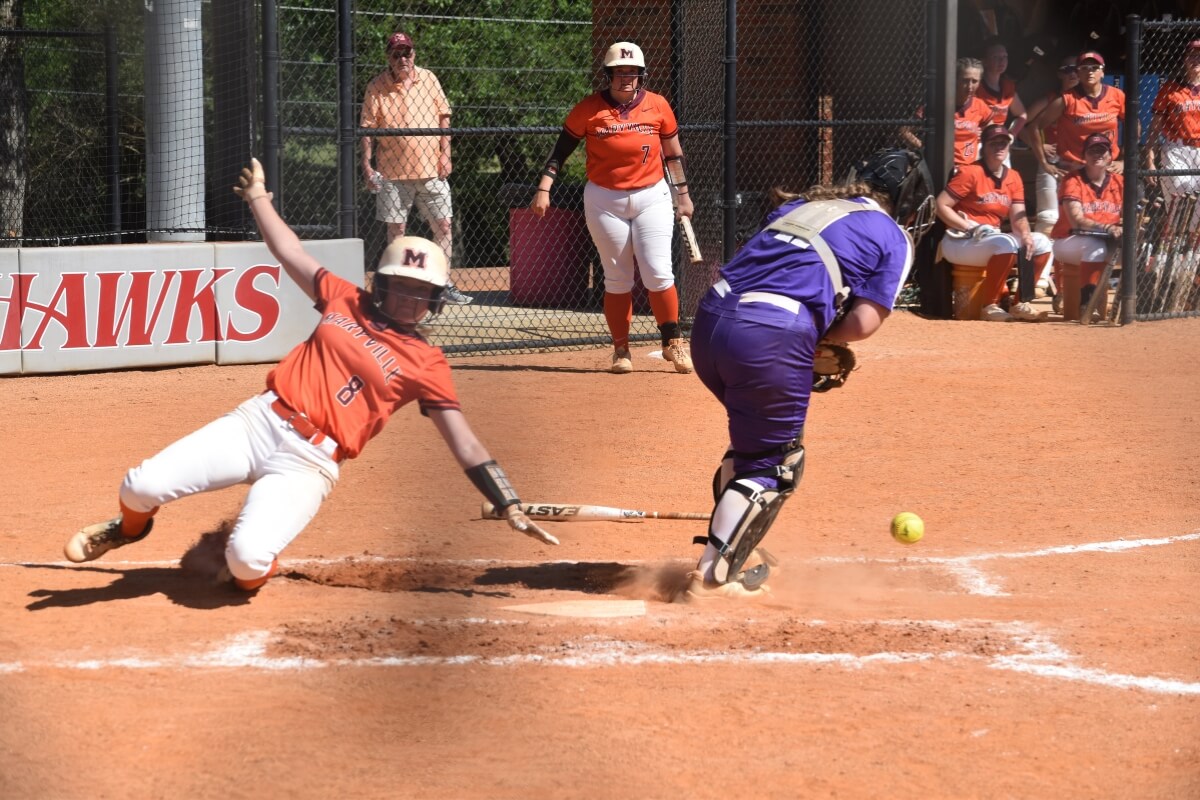
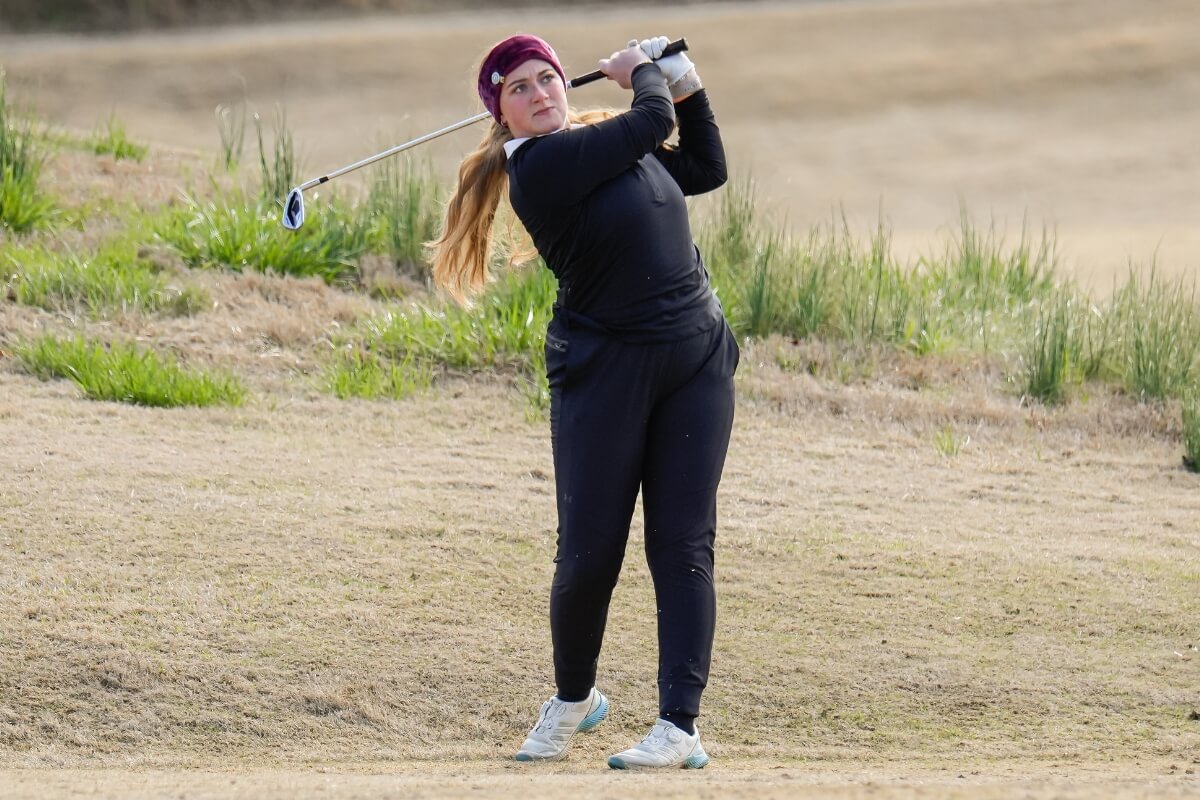
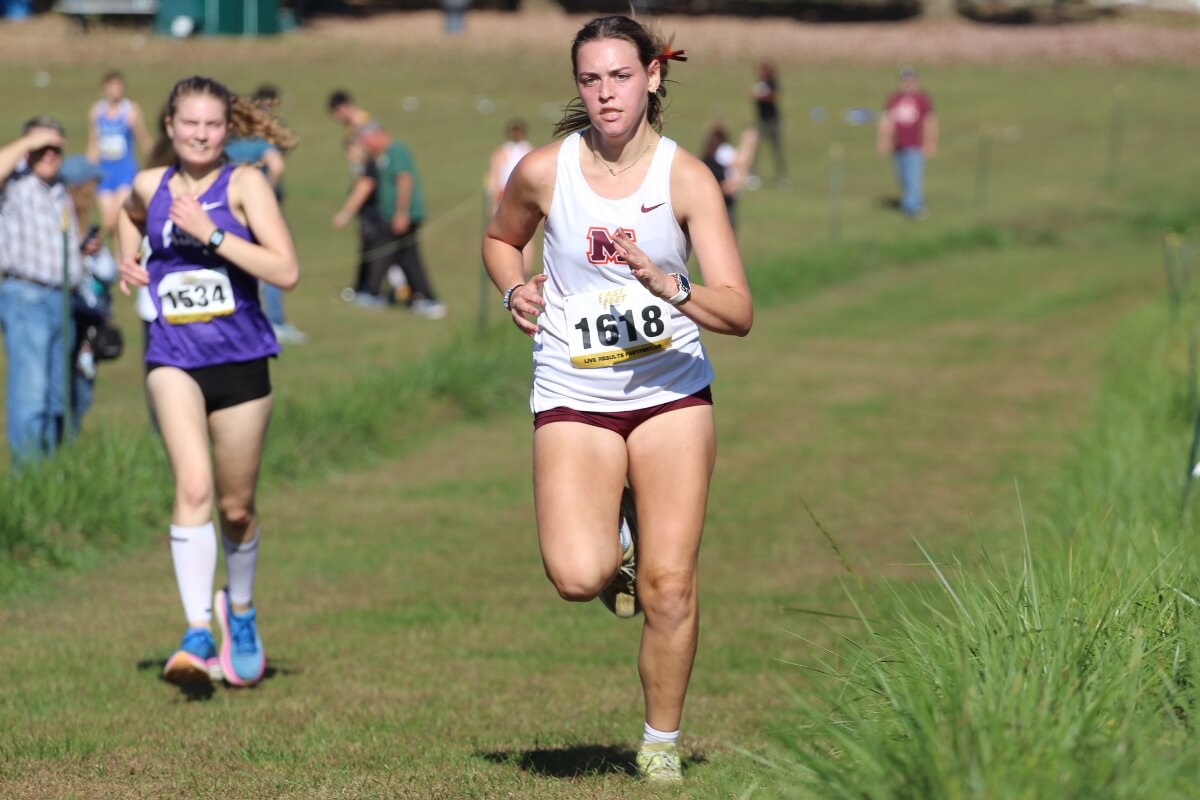
It was the first women’s all-sports trophy by the Scots since 2010, and it recognized the championship runs of the soccer and softball teams, but also the accomplishments of tennis, volleyball and basketball.
“Having two teams represent the college in the NCAA championships was historic for the Scots,” Quatrocky said. “To have our women as the face of our department and college this year was truly special. They competed on the highest stage and had our full attention!
“I am a strategic person by nature and that’s what I love about this job. I’m honored to be a part of this process with our department. Winning the Women’s Commissioner’s Cup was proof that our process works, and it’s important to celebrate because every point counts. Every woman in our department made this happen.”
Unexpected changes, defying expectations

Two, in particular, not only stepped up, but stepped into something of a breach. Both softball Coach Jill Moore and volleyball coach Brienna Laskowski inherited programs that had just experienced the sudden departure of former coaches, and reassuring their players was as much a part of the mission as game competition. Not only did Moore have three months to get her team ready for the spring 2023 season, she also had to lead them into competition in a new conference, the CCS.
“Honestly, at the time I never thought about trophies, because I didn’t know a single person’s name when I was hired other than the research I had done online to prepare for my interview,” she said. “After I was named coach, I called the team and spoke with them, and I told them, ‘My athletes and my team are always going to be my first priority.’ And from that point on, getting to know them and trying to learn them was most important to me. I never thought about winning; I knew it was expected of me as their coach, but I’m always going to think about people first.”
It didn’t take long, however, for the talent to rise to the surface. The 2023 Scots finished 27-15, losing in the championship series of CCS tournament play but still contributing to the point difference that made winning the CCS Women’s Commissioner’s Cup possible. Despite the number of clutch players in prime roles, returning to the field last spring was still something of a mystery.
“You take everything a game at a time, and because we were playing well and because of the energy of the team, I knew we were in the best place we could possibly be,” she said. “But after the first pitch, you never know what’s going to happen. Last fall, I knew our team was talented, but we had to battle some adversity, battle some injuries and illness, and our team chemistry got better. Honestly, this team was the most hardworking, resilient group I’ve ever worked with in my career, and a big part of that is because they made it easy for me.
“They welcomed me as a coach, and quite honestly, their expectations for me were very high and very fitting with my coaching style and the way I did things. I was able to focus on getting to know them as people and trying to figure out what my lineup would look like, and they made it as seamless a transition as that could be. I came in to a team wanting to work hard, and their expectations for themselves were higher than I could have ever asked. They wanted to compete, and they wanted to win, and I just happened to be lucky enough to be the coach chosen to help them do that.”
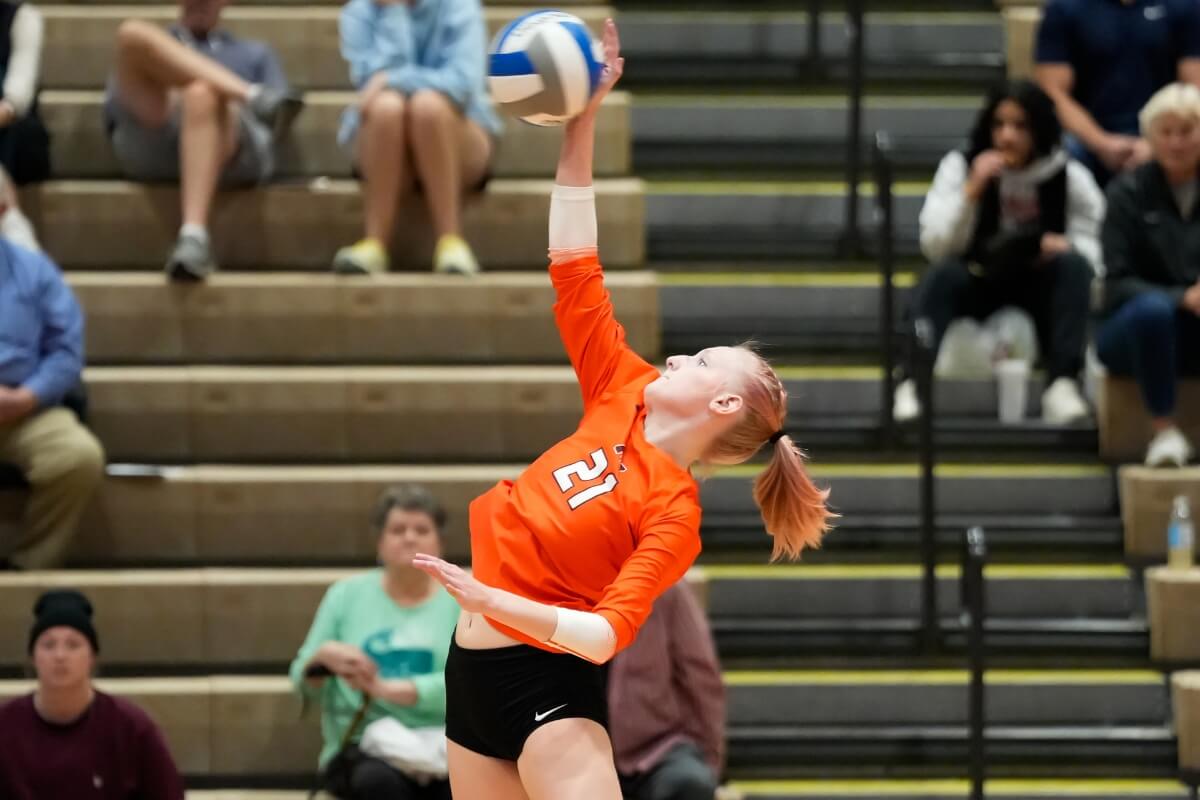
The symbiotic relationship between players and coaches that contributes to a team’s success isn’t always immediate. Laskowski found that out when the volleyball team skidded into late October with three home losses to rivals Berea, Huntingdon and Covenant. It was frustrating, she said, but the support she received from administration allowed her to take a step back, breathe and adjust.
“I think so much of our rough early start stemmed from not knowing my players from a head coach’s perspective, and I had to realize that I’m young and still have so much to learn,” Laskowski said. “I’m still so close to my playing years and still play often, and the benefit is that I’ve recently been through almost everything that these girls have dealt with, including coach changes, so I felt well-equipped to manage some of the emotions the athletes were going through.
“In the beginning half of the season, I coached how I played: fired up with no patience for anything less than perfect, and that’s not what worked for our girls. I had to learn to be patient and kind while still being passionate and firm. By the end of the season, I was more vulnerable with our girls, and I think that helped build some trust. Once they trusted me, the buy-in to everything else we were trying to do followed. We found ourselves in a conference championship, we improved our team GPA by 0.4 points, we dominated the weight room, and we had an incredible spring.”
After defeating both Belhaven and Huntingdon, the team faced off against Covenant in the CCS title game on Nov. 11, and despite the loss, Laskowski and her players still felt like champions.
“We knew from the beginning that this team was capable of being in that championship match. We knew it would be a grind, and that it wouldn’t be easy, but we never doubted our abilities,” she said. “Making it to that game made us feel like all the hurdles we had overcome and all the changes we had to make and all the lessons we had to learn were so worth it. I couldn’t have been prouder of these girls.”
Giving their all for MC

Tenacity. Grit. Determination. All of those traits are practically mandatory in competitive athletics, but at Maryville College, they mean a little more. After all, NCAA DIII schools don’t offer athletic scholarships because the emphasis is on academics. While 183,500 student-athletes play DIII sports at almost 450 schools, it’s not the elite proving ground for professional teams that DI is. While turning professional after MC is certainly possible — Myles Rasnick ’23 was recruited to play in Poland after graduation — most of the athletes playing for Maryville College will hang up their jerseys after graduation.
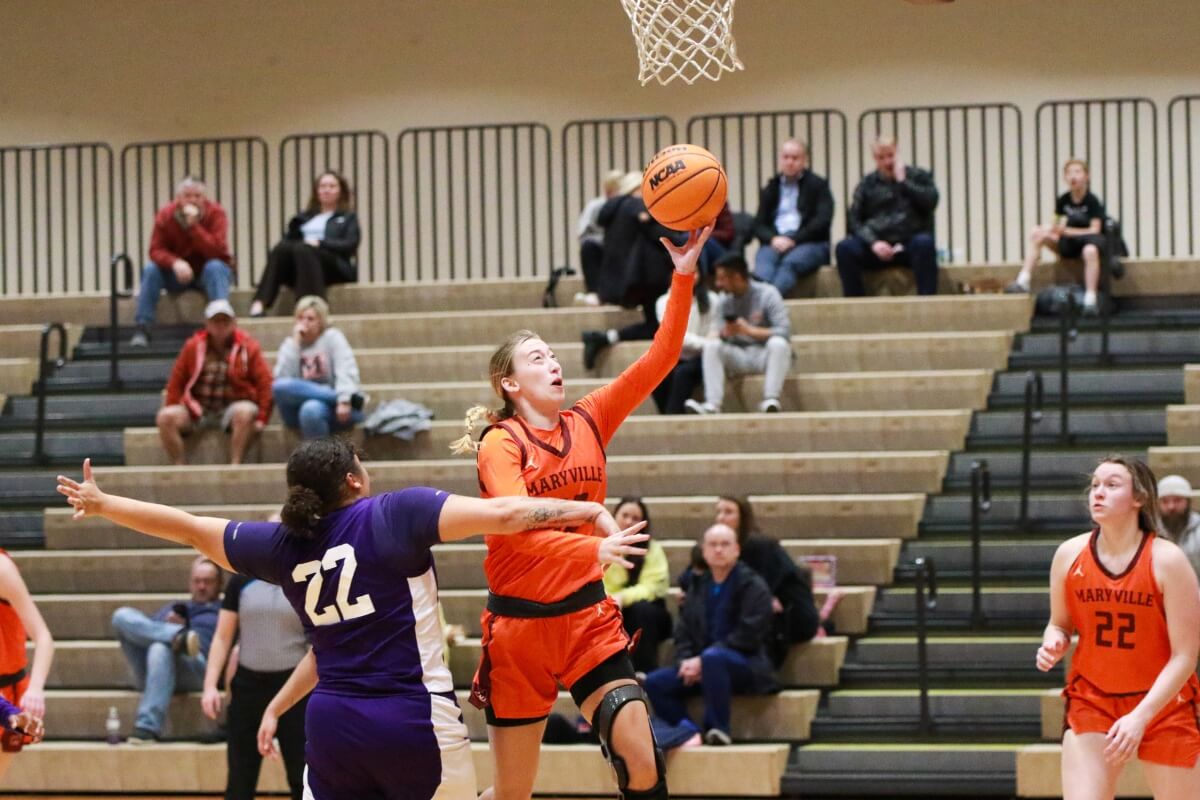
But in a way, that gives players all the more incentive to excel, and it makes every season, regardless of the win-loss record, all the sweeter, because it’s one season closer to the end. That’s not lost on women’s basketball Coach Darrin Travillian, who tells potential players that regardless of what else happens on the basketball court, they’re going to enjoy themselves.
“We’re going to have fun,” he said. “The winning is great, and the competition? We all love that … but the experiences are what it’s about. Winning is just one piece of the entire puzzle, and last year I knew we were playing one of the top three or four toughest schedules in the entire country, and that we had a really young team predominantly made up of first-year students and sophomores. But we hung in there, and we came up short a few times, but we also found ways to win.
“I’m really pleased with our body of work. You look at our record, and 13-13 is just OK, but I know this: I could schedule more games where we might win, but I’m trying to schedule us so that the team is better in the long haul. I’m trying to do what I can for a young team to help us turn a corner and get us back to being a top 10 team in the country. That’s why I try to give us the most difficult schedule I can put together, because I tell the players, ‘You’re not going to win every game, but when you do, you’re going to know you earned it.’”
Earning it is what made both NCAA tournament bids so special, Quatrocky points out. Normally, conference champions receive automatic bids for tournament play … but new conferences are eliminated from automatic bids for two years, meaning CCS champions will receive them beginning with the 2024-25 academic year. So to get invited as an at-large competitor, Quatrocky said, is proof that the myriad of factors that make up a successful athletic season — winning percentages, strength of schedules, margins of victory and more — was scrutinized by DIII officials and found worthy.
Whether the general public realizes that detail or not, the invites certainly elevated the esteem of both soccer and softball teams in the eyes of many, Moore said. And winning the CCS Women Commissioner’s Cup is a fitting end to a phenomenal year.
“I feel like the softball program has always had a good turnout at our home games, and for good reason: It’s a great place to play, and it’s a great place to watch a game,” she said. “But it was so nice, for lack of a better word, that having been here such a short time, so many people reach out and want your athletes to do well no matter what. The reaction to getting a bid was a true testament to this department and this college as to how special it is.
“Everybody wants you to do well, and not just the coaches and the administrators in this department. Throughout the community, people stop us and just say, ‘Wow, what a great year y’all are having!’ And for me, that makes me so proud of this team to have that recognition of their hard work.”
Soccer Coach Pepe Fernandez had been there before: Between the men’s and women’s teams, he’s achieved 17 NCAA tournament appearances, and he still recalls with a grin the fever pitch of support that soccer fans across the community offered up in 2005, when the men’s squad made it all the way to the Sweet 16. But it never feels like old hat, he added. Not once, because just seeing Maryville College get there is something of a miracle.
“We’re typically one of the two or three smallest schools out of the 64 teams there, and we’re competing against some huge state schools,” he said. “There are fantastic coaches and fantastic people leading those programs, and it’s not easy.”
And competing at that level would be impossible without his support staff. He’s worked alongside Associate Head Coach Jon Baker for almost a quarter-century. Assistant Soccer Coach John LaCava ’81 was captain of the first varsity soccer team at Maryville College. Those are just two examples of the legion of assistant coaches, trainers and support staff members who not only serve their individual sports, but do more for the school’s student-athletes behind the scenes than most fans will ever realize.
“We’re lucky in that we’ve got people who really love Maryville and are committed to Maryville, and that’s not just in soccer,” Fernandez said. “I know that when we have a late practice in the fall, I’ll come back to the Honaker Room (where coaches’ offices are located in partitioned sections of the Cooper Athletic Center) at 10 at night, and the basketball coaches are still here. The football coaches are still back there. They’re committed, and they all support one another.
“We watch each other work, and we see the decisions the other has to make every day, and how important those decisions are and how much thought goes into each one. I can’t say enough about the top-level coaches I’m lucky to work with at Maryville College.”
Building on success in seasons to come

As Travillian pointed out, a rising tide lifts all boats … and a culture set at the top and built on a long and distinguished history of Maryville College athleticism ensures that each sport will thrive in times of victory and survive in seasons of defeat.
“Every coach knows that every year is different. Every year, we’ll face new challenges and get new opportunities to grow,” Moore said. “My job is to make sure this team is up to the challenge, and that I work as hard as I always do to do whatever I can to make sure these students have the best experiences possible.”
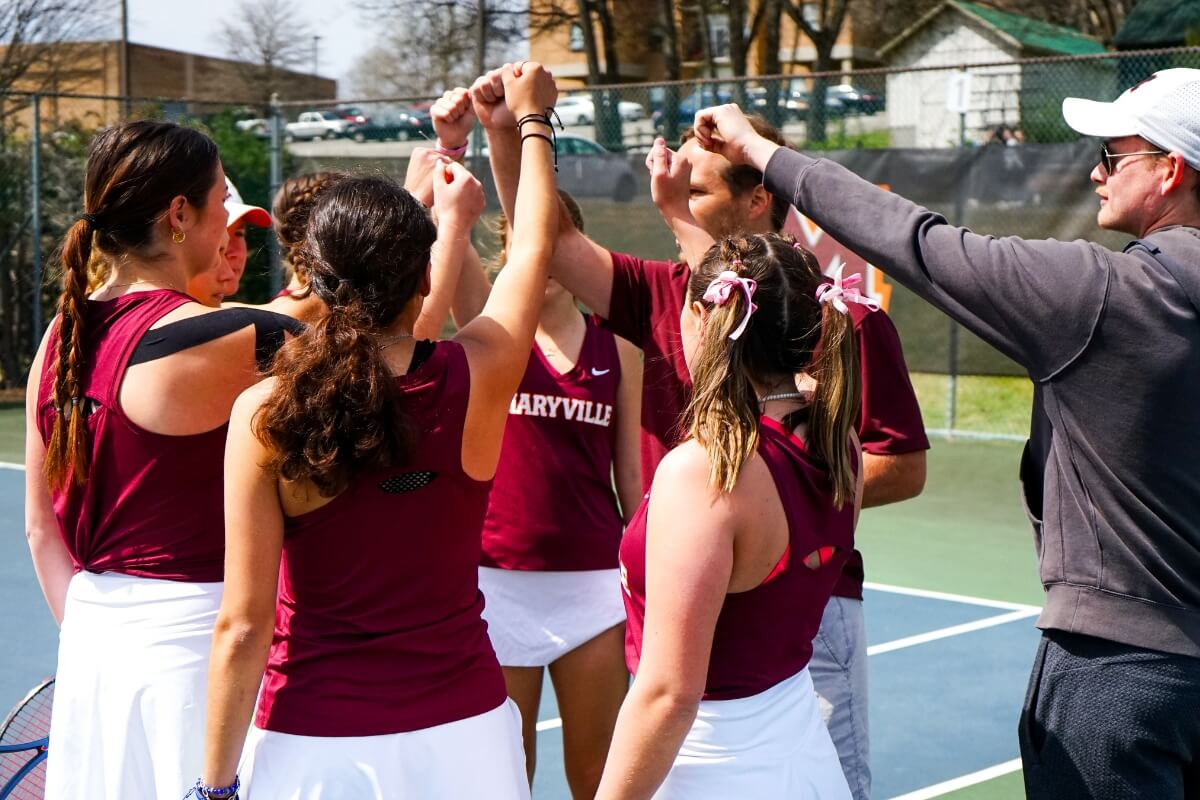
Because those experiences and that support aren’t the same at other schools. Tennis Coach Doug Corbett knows that well; a native of Virginia, he played tennis at Randolph College in Lynchburg, and after serving as an assistant at Mary Washington University in Fredericksburg, came to Maryville three years ago.
“I’ve been very surprised — in a good way! — at how many students and parents and community members come out and watch our matches,” he said. “As a player and as an assistant, we didn’t get that many at the other schools I’ve been at. That’s one reason I encourage our players to go and watch other games, because that support is what makes a small community like Maryville College so great.”
Since his arrival, he added, he’s worked to instill in his players the same sense of dedication to structure and tradition as Quatrocky and her staff have instilled department-wide. Team bonding activities and time spent together in the off-season helped to bring members of the team closer, and the friendships that spawn from that closeness translate to enthusiastic support, a willingness to sacrifice, and a buy-in to the idea that when individual players succeed, the team does, and when the team does, the department does.
“Building those relationships is incredibly important, because it goes beyond tennis,” Corbett said. “When you graduate and you get out there and establish a career, you’ll want to maintain those friendships beyond the tennis court.”
But success on courts and fields can make those “best four years of your life,” as Corbett describes them, even more meaningful. As the softball season came to a close after the tournament loss, there was a lot of talk on social media by the players about hanging up their cleats. It was a sense of finality that’s melancholy, in a way, because those same posts convey just how much playing a sport at Maryville College meant to these women.
And that, Moore said, is an almost sacred responsibility to carry forward and ensure the next class of student-athletes has a similar, life-changing experience.
“Maryville College is different, and it’s special, and that’s how I want to keep it,” she said. “It can always grow, and of course you would always like more and would like to have a little more brand recognition for who we are throughout the community … but we’re never going to compete or even think we can compete with the (University of Tennessee) brand. And that’s not who we’re trying to be.
“We are who we are, and I hope we can continue to grow with new recruits. After all, this is a really good place to play sports and get an education, and that’s the one thing we can promise them: It’s going to be a great experience.”
And hopefully a time period they look back on, after graduating themselves, as some of the most meaningful and formative. Every homecoming, the alumni who were once student-athletes are often found across campus in a reminiscent haze of nostalgia, but revisiting those glory days isn’t restricted solely to a single weekend in October, Travillian pointed out.
“I would invite our alums to not just come to a game, but pop into a practice. Come meet our kids, come speak to our kids, come see what the program looks like now,” he said. “They’d be really pleased about the character of the young women we have in our programs, and I think they’d be excited about the traditions we uphold as well as what the future might bring.”
Those possibilities are what keep Fernandez coming back. It’s difficult to imagine an academic year where so many sports by so many women enjoy so much success, but if there’s one thing his tenure at MC has taught him, it’s that anything is possible. One injury can derail a season, but one well-timed penalty kick can change it. Nothing is set in stone, and as a result, he takes nothing for granted … not even the time he has left as an MC soccer coach.
“I get asked a lot if I think about retiring, but I still enjoy it too much,” he said. “Like any other job, there are things you don’t enjoy, but I don’t think there’s anything like fall on a college campus when you have a bunch of first-year students show up and all the returning players are excited. There aren’t many places in the world like that, with the excitement of all the new beginnings we have and all those new players walking in so excited and so scared.
“You see them, and you feel like you can have some sort of small impact on their lives, and that’s just very meaningful to be a part of and a lot of fun to watch. I hope that as long as I can physically do it, I can be impactful and make a difference. This is a special job, and this is a special place, and I don’t think we’ve reached our full potential yet.
“There’s still room to grow,” he added. “I think we can be better in so many ways here, including in the soccer program, and figuring out how to get better is the fun part of it. Because we can get better, and we will get better. I honestly believe that.”