Through community engagement projects, Maryville College students combine regional education with hands-on activism
Jan. 15, 2025
As Dr. Crystal Colter’s PSY-336 students learned last semester, the resilience of residents in the Southern Appalachians is unparalleled — even in the face of unmitigated disasters, like the destruction caused last fall by Hurricane Helene.
Colter, a professor of psychology and chair of the Division of Behavioral Sciences at Maryville College, led the students in her Community Psychology and Social Justice course through an examination of movement and migration in Appalachia, and as part of course requirements, class members were required to design and implement a community-engaged project. The impact of Hurricane Helene, which made landfall in Florida on Sept. 26 and caused catastrophic flooding-related damage in Northeast Tennessee and Western North Carolina before dissipating on Sept. 29, made for an ideal focus of such a project, Colter said.
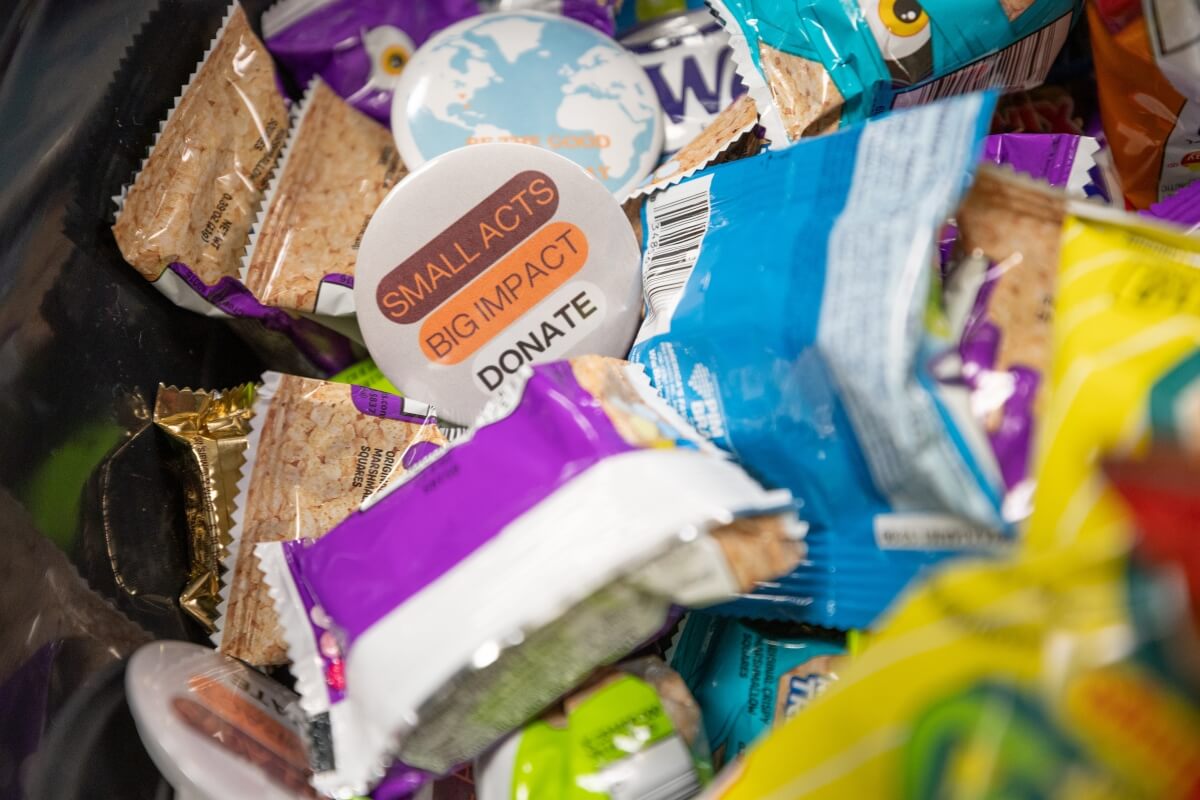
“The project had three components and was supported by $2,500 in funding from the Maryville College Center for Community Engagement,” Colter said. “First, we asked folks to pledge to donate directly to Appalachia Service Project and/or East Tennessee Foundation Neighbor-to-Neighbor Disaster Relief Fund. Individuals pledged to donate directly at one of the links and notified us so we could ‘count’ their pledge toward our goal.
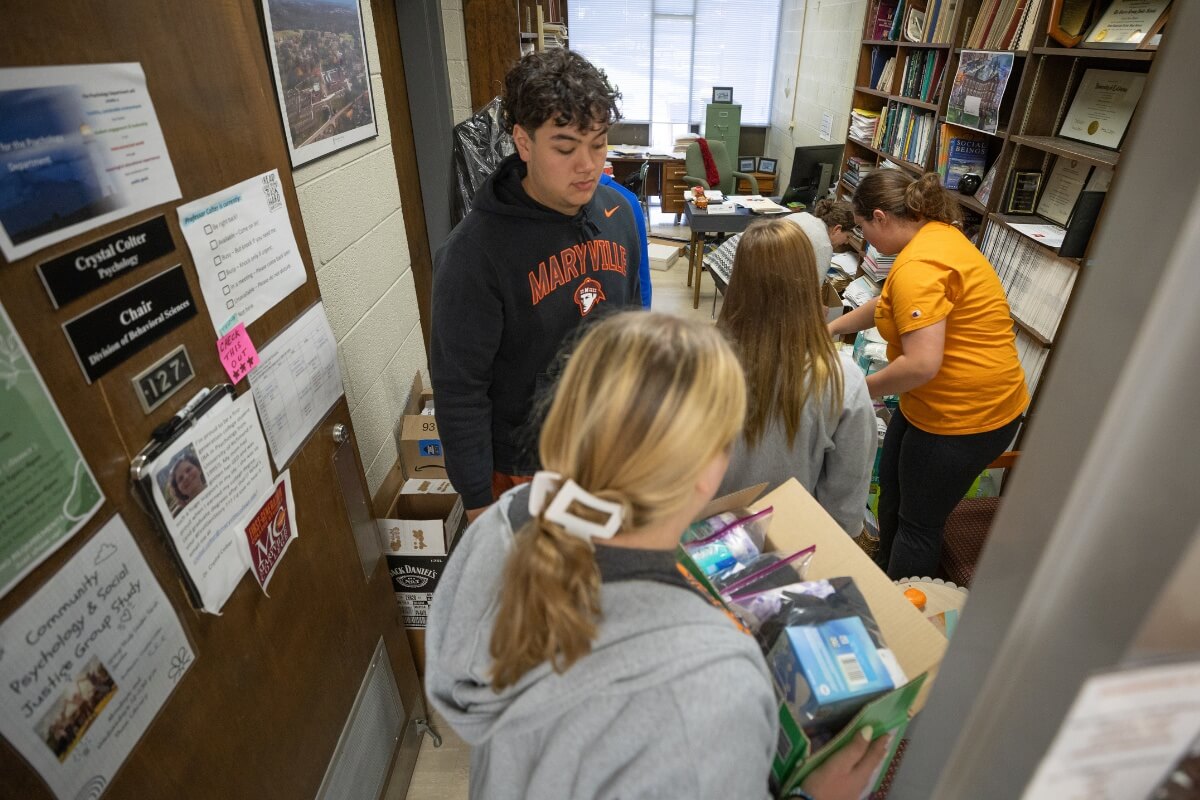
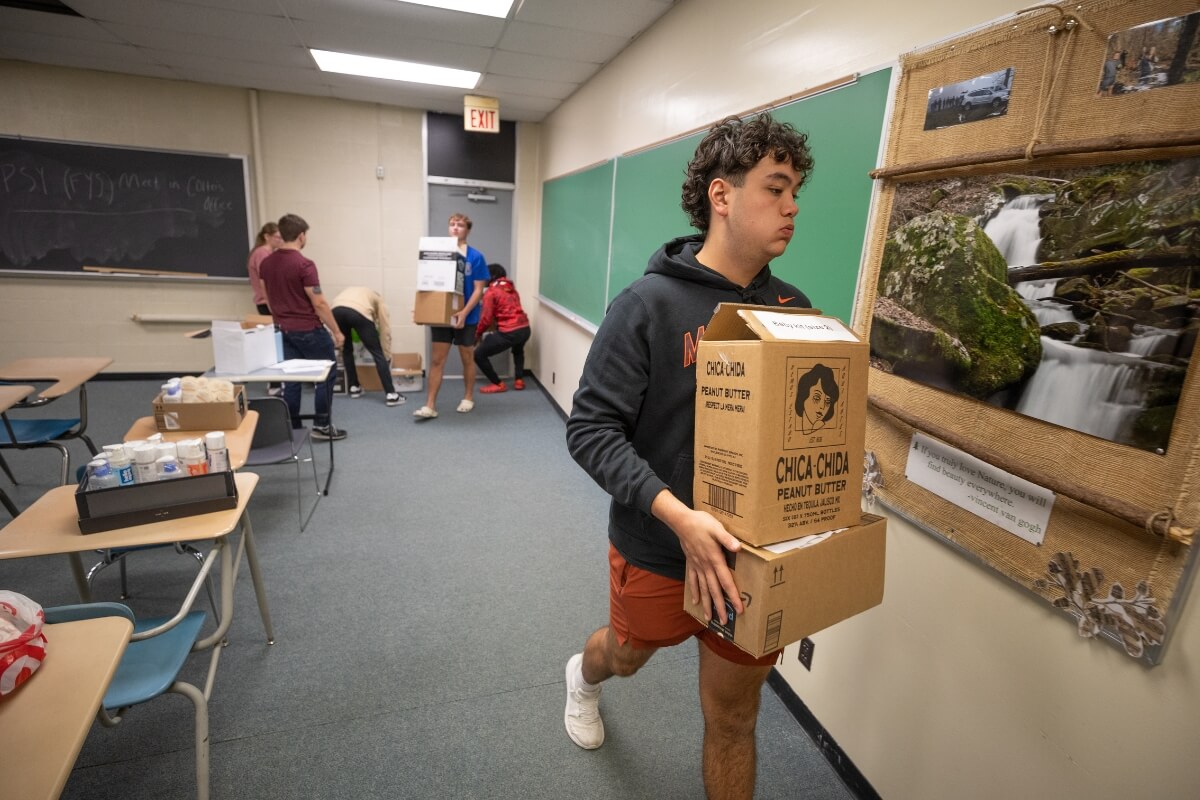
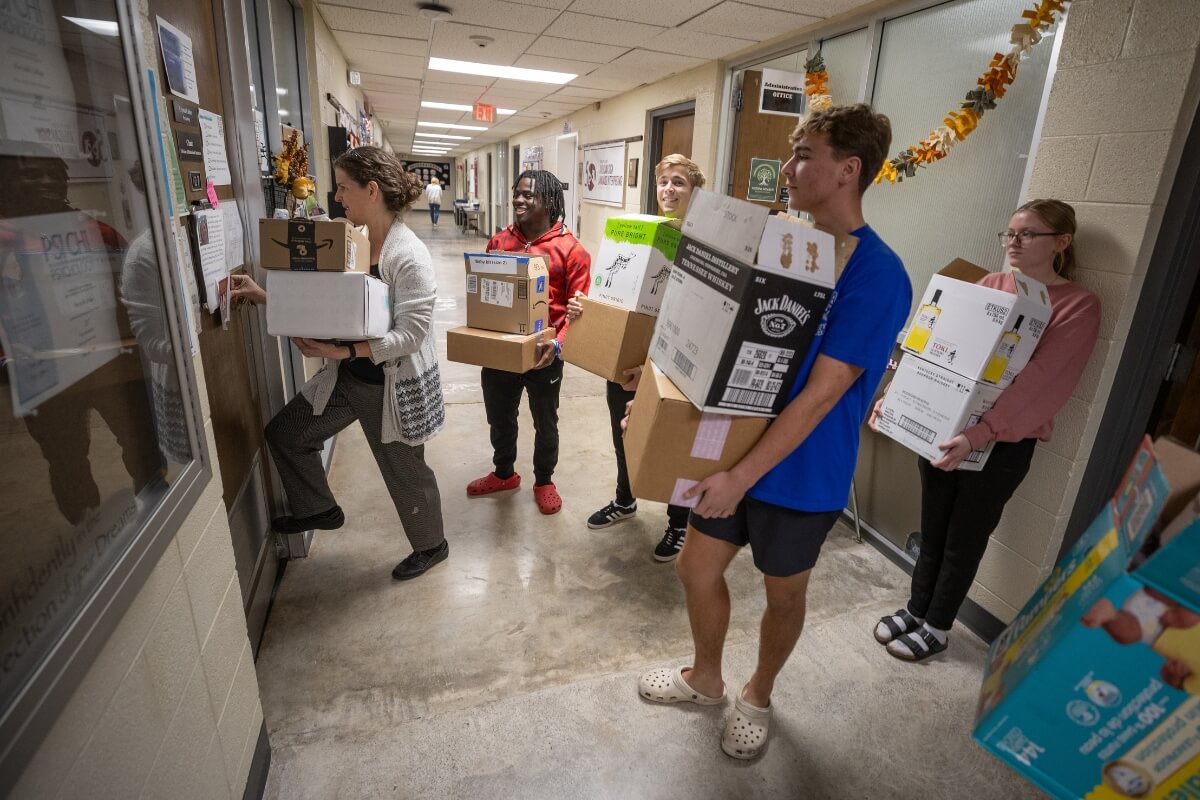
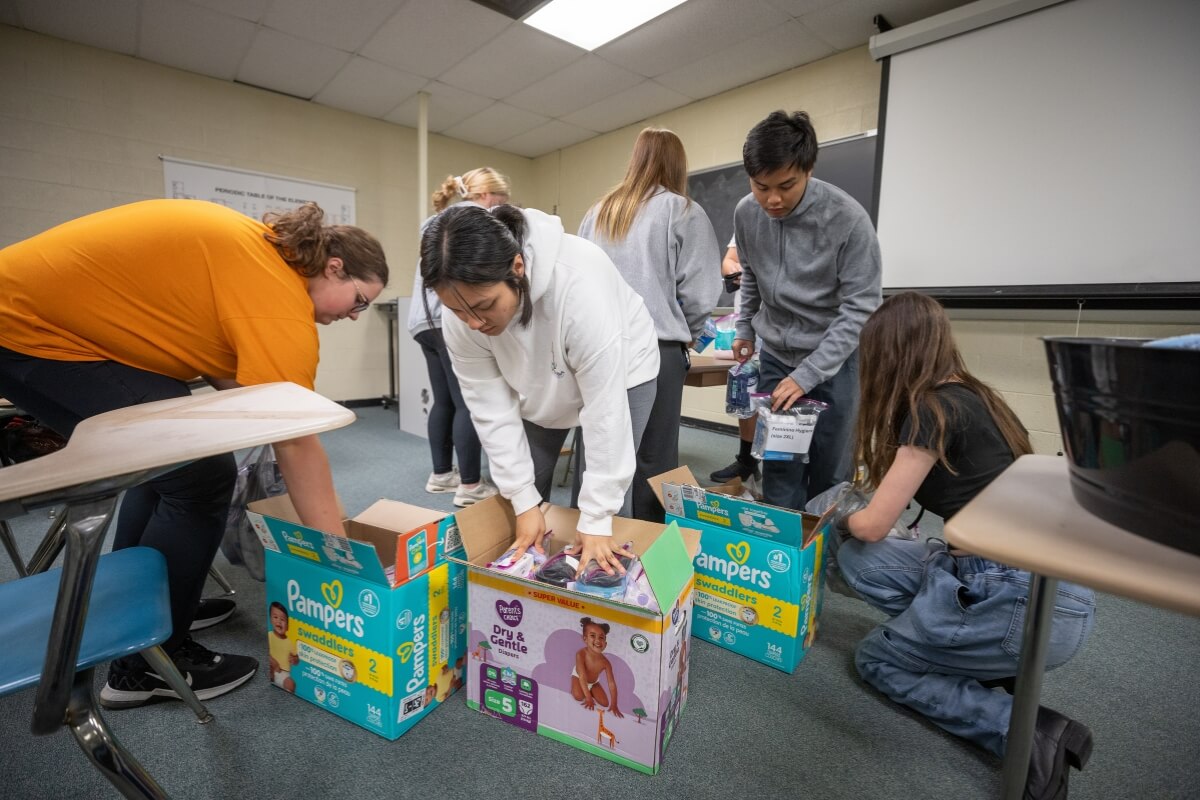
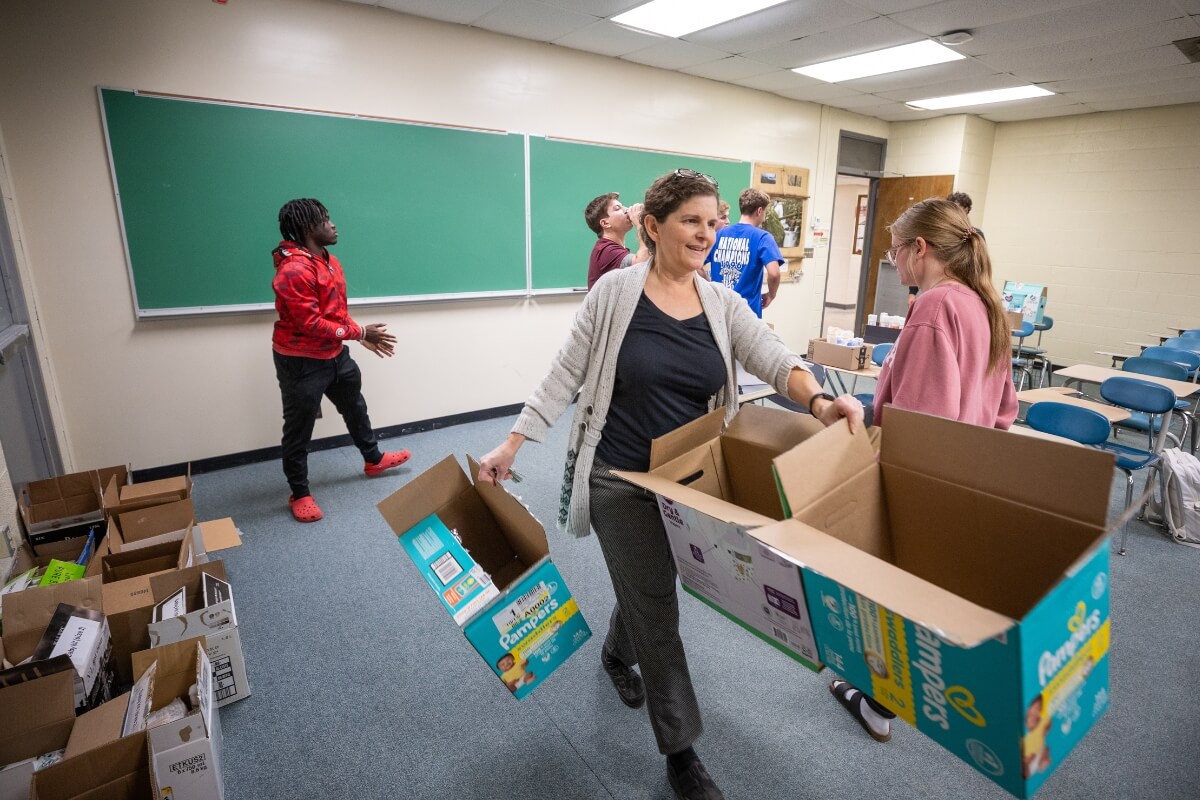
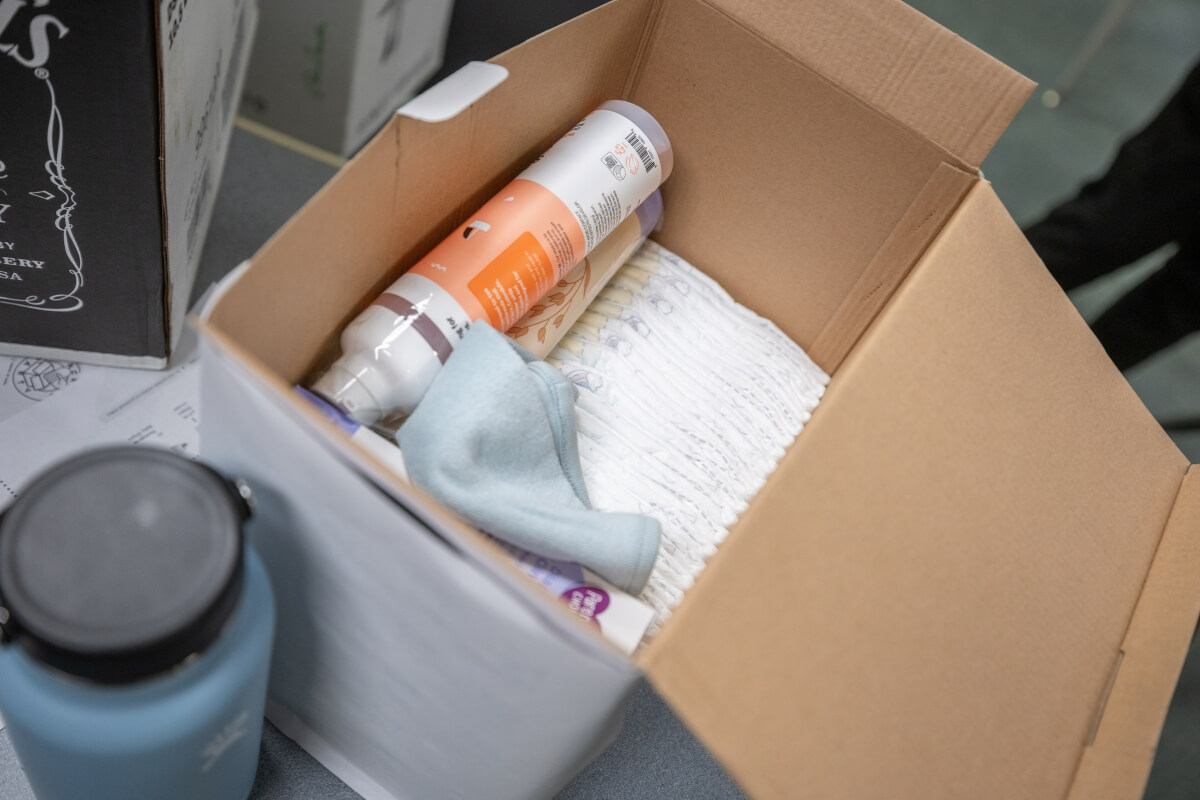
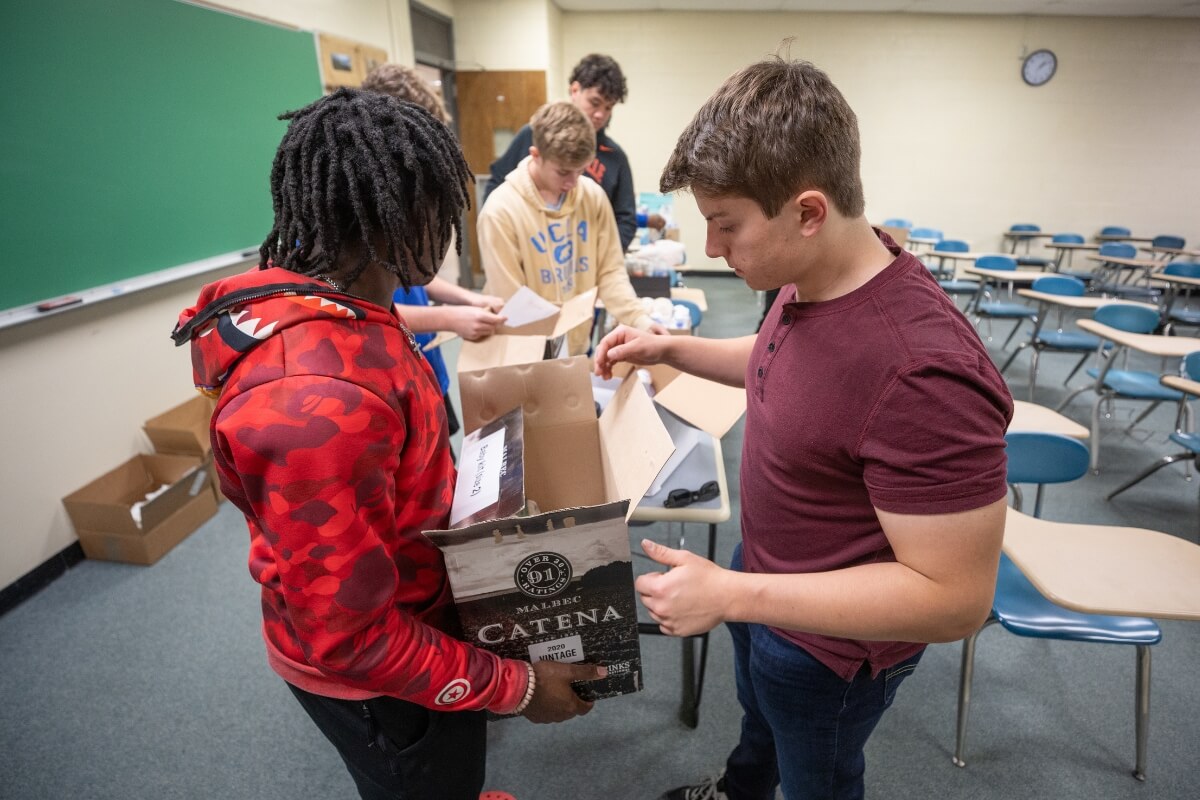
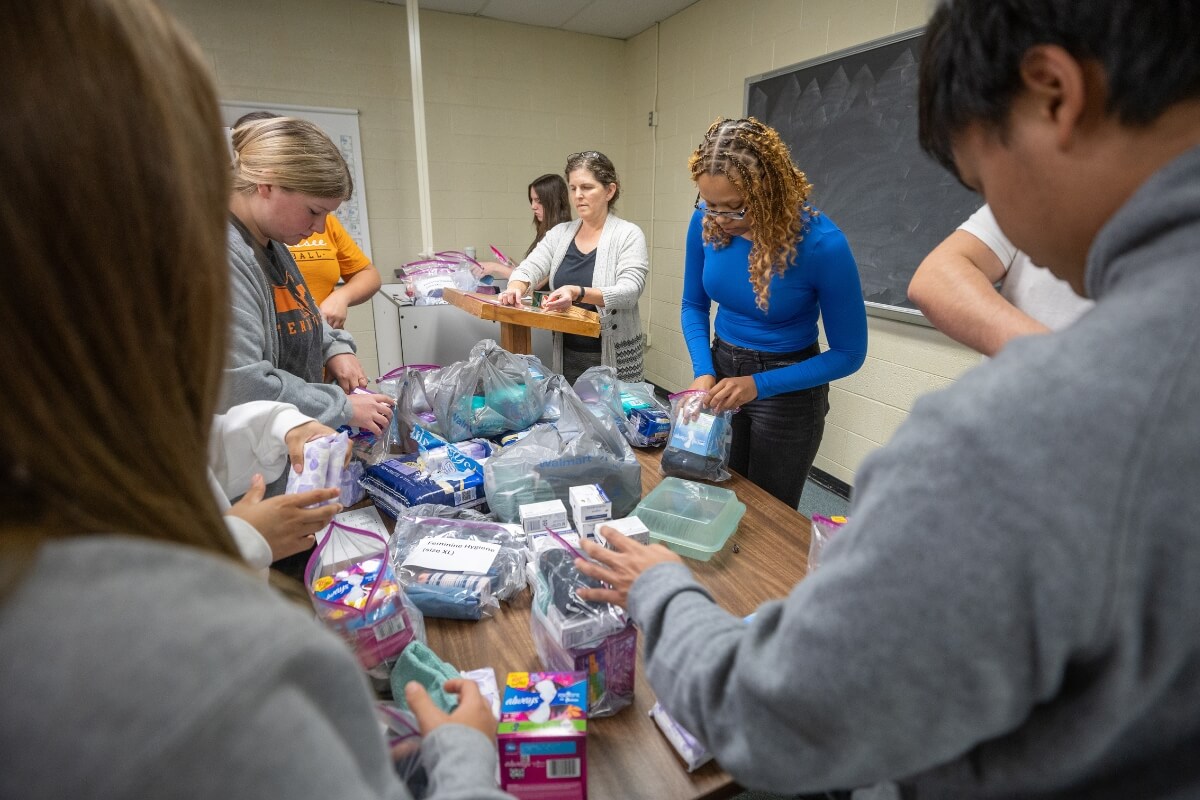
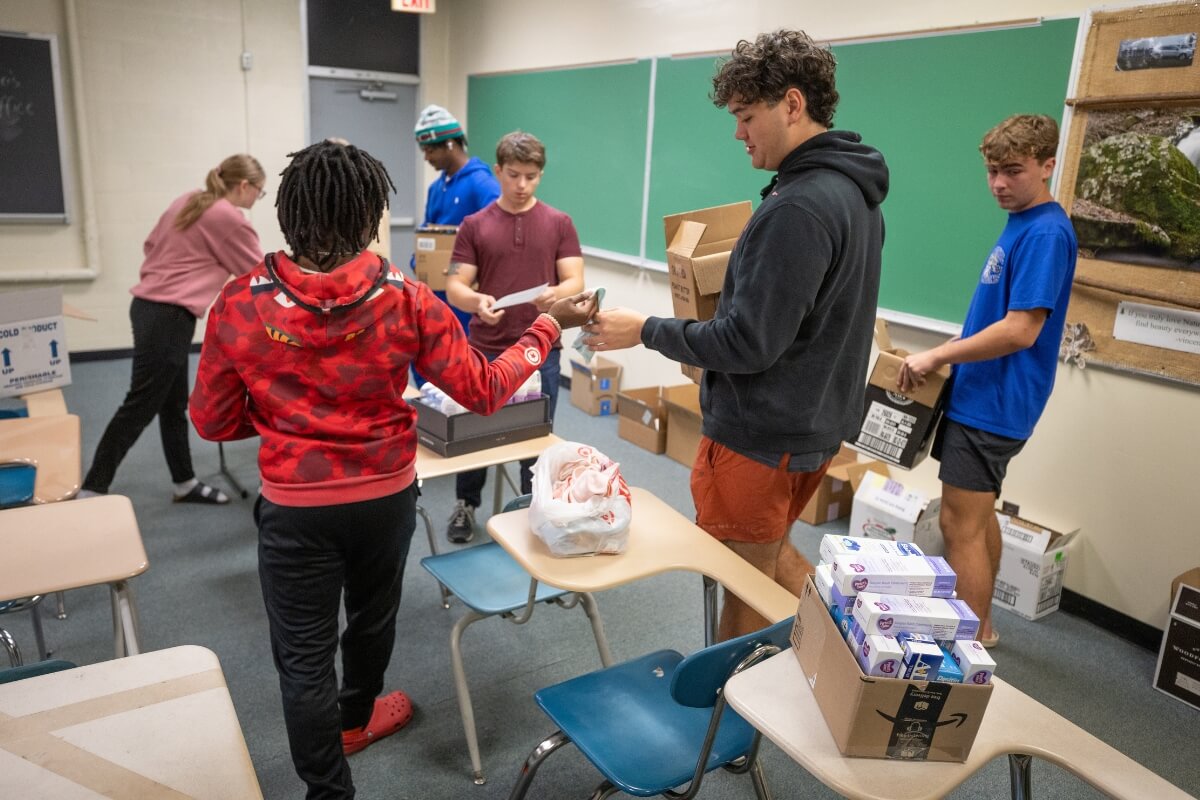
“Second, we made and sent hygiene kits/bags to honor those donations through the Convoy of Hope organization — both baby kits and feminine hygiene kits as a way to support inclusivity, and the kits will be used for future disaster relief. Third, we arranged opportunities for folks to make thank you cards for first responders who have been working in the aftermath of Hurricane Helene (including at Maryville College Homecoming and through a couple of local elementary school classes). We ended up sending about 75 individual thank-you notes to first responders.”
Hurricane Helene maintained its strength as a Category 2 into Georgia and entered the Southern Appalachians as a tropical storm. Historic rainfall broke records in such N.C. communities as Asheville, Swannanoa, Spruce Pine, Chimney Rock, Montreat and Lake Lure, among others, and the first-hand accounts and news photos of the catastrophic damage were staggering.
As students in Colter’s course discovered through their research, however, residents of those areas have a long history of perseverance through difficult times.
“The Community Psychology and Social Justice (PSY-336) class last semester focused on the theme of movement and migration in Appalachia, including reading an incredible book called ‘Beginning Again: Stories of Movement and Migration in Appalachia,’ edited by Katrina M. Powell and published in 2024 by Haymarket Books, which beautifully captures the spirit of resilience and community in the region,” Colter said.
As the students began assembling the pieces of their community engagement project, Colter saw an opportunity to involve additional Scots — specifically, those in her fall First Year Seminar (FYS) class, who were taking their first tentative steps into what MC upper-level students come to know as a community “of and for the region,” a phrase used often by MC President Dr. Bryan Coker to describe the College’s own sense of belonging and commitment to East Tennessee.
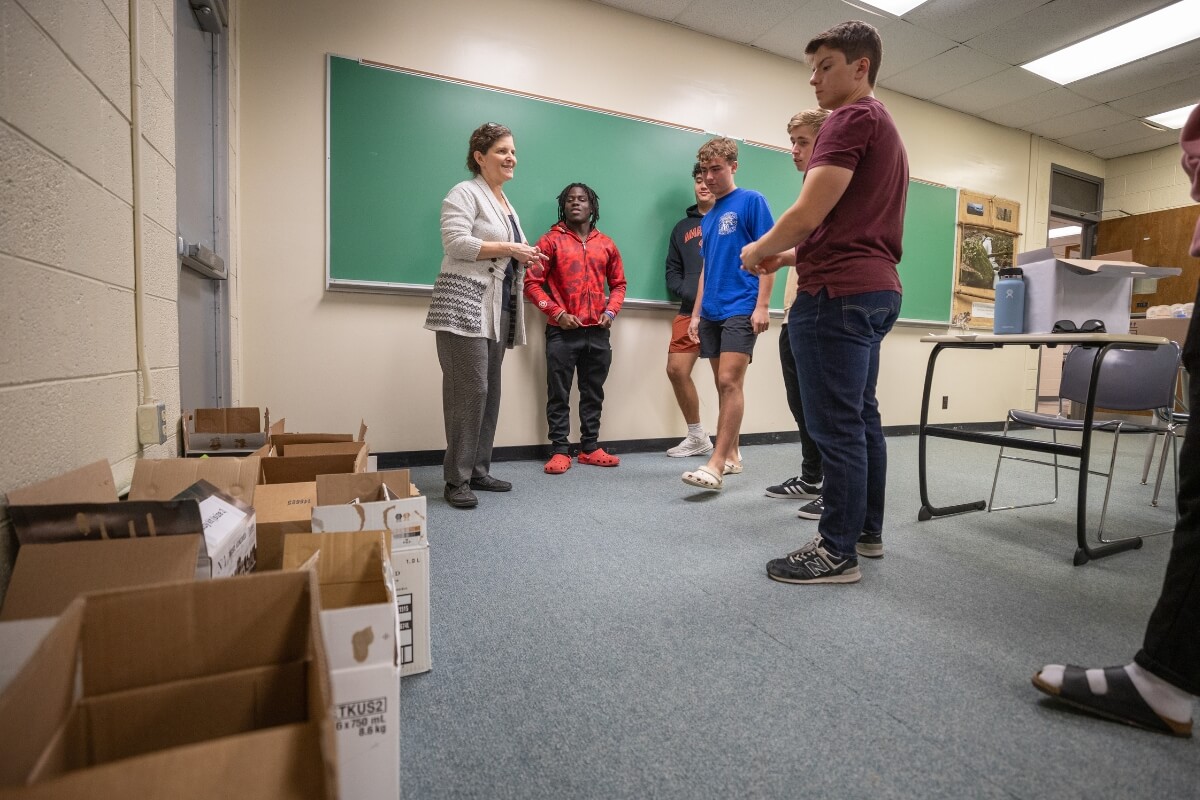
“In the FYS class, we had several different units related to a sense of belonging at MC and in college in general, building college-level academic and professional skills, personal and professional (i.e., major/career/vocation) exploration, teamwork and collaboration skill building and practice, and a community-engaged service project,” Colter said. “Thus, toward the end of the semester, my section spent about a week researching and learning about community-engaged work and, specifically, disaster relief, then engaging in a related service project.
“They heard from a few of my PSY-336 students who visited class one day to talk about their own community-engaged project focused on Hurricane Helene disaster relief, then a few of the PSY-336 students returned to a different class session where the FYS students packed the hygiene kits. The FYS students then shared about their experience in a written reflection for class, a team research presentation, and also in an end-of-semester ‘mixer’ with a number of other FYS sections that was held in the foyer of the Clayton Center for the Arts.”
It was a full-circle experience for students in both classes, Colter said, one made possible by a financial assist from the College’s Center for Community Engagement. According to Chris Freeman, director of Community Engaged Scholars with the Center, the funding came from a Community Funded Mini-Grant, administered through the College’s Bonner Program and through which students, staff and faculty members can submit proposals to a leadership team of projects that will impact students and the community.
“They can submit proposals to our Community Engaged Leadership Team, comprised of six students in the Community Engaged Scholars program, and the money for the grants comes from our Bonner Endowment,” Freeman said. “In the fall, the team approved over $13,000 in Community Fund Grants for nine projects with seven different community partners.”
One of which was Colter’s PSY-336 class. The fact that other students approved funding for their community service project only served to amplify how MC’s hands-on experience can serve as such a difference-maker, Colter added. From soliciting donations to the assembly of hygiene kits for distribution to Convoy of Hope to the cards made for first responders, the entire process was a way to help students canvass the community in which they reside to document the greatest needs, and then meeting those needs through direct action.
“Students did express that they were glad to be able to help in a hands-on way,” Colter said. “They also understood the value of trusting what communities and experienced organizations say is needed rather than ‘making it up’ and collecting items they thought about on their own, in a vacuum, without knowledge of what’s truly needed in this situation in particular communities.
“Community-engaged projects help the students to understand how all our research and theory and ‘book learning,’ as my mom would have called it, is connected to real needs in the community, region, and around the world. This is directly related to Maryville College’s primary mission in addition to our ‘do good on the largest possible scale’ calling, as well as our commitments around faith and learning, social justice, and diversity, equity, and inclusion.”