A timeless love story for Valentine’s Day: Maryville College Theatre Department to stage ‘Romeo and Juliet’
Jan. 17, 2025

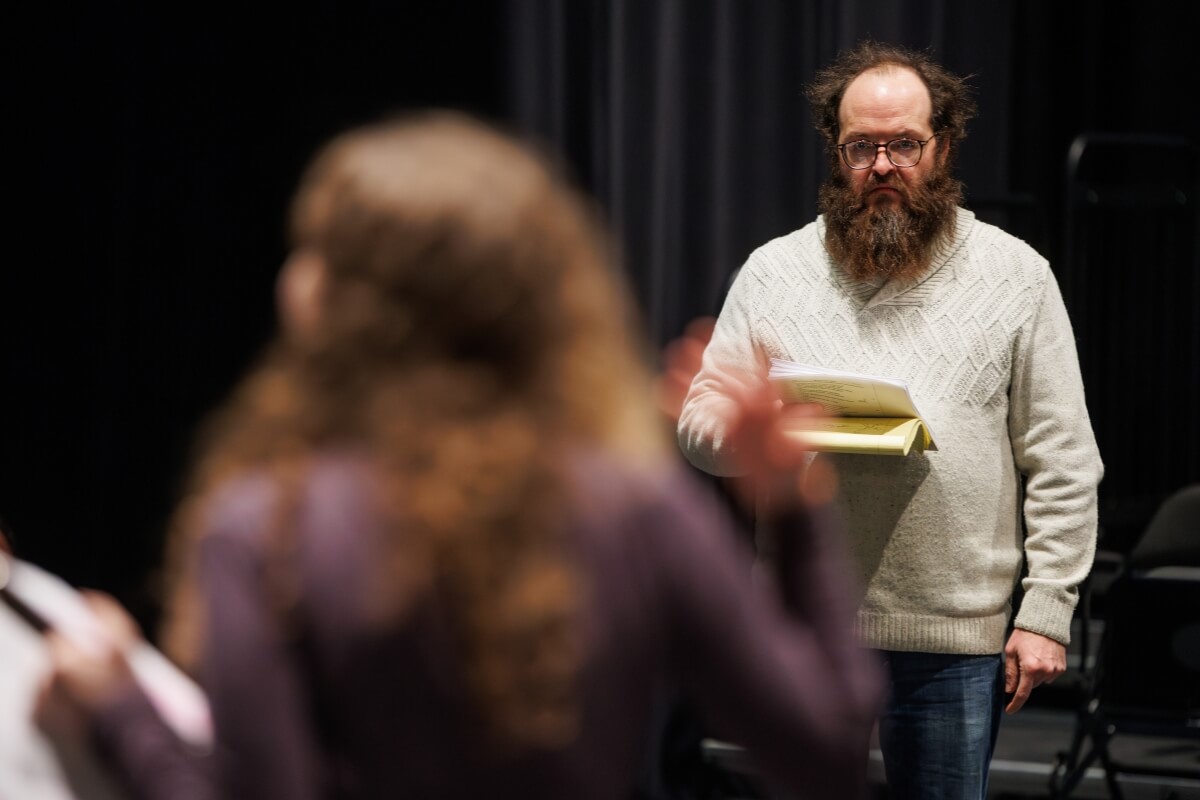
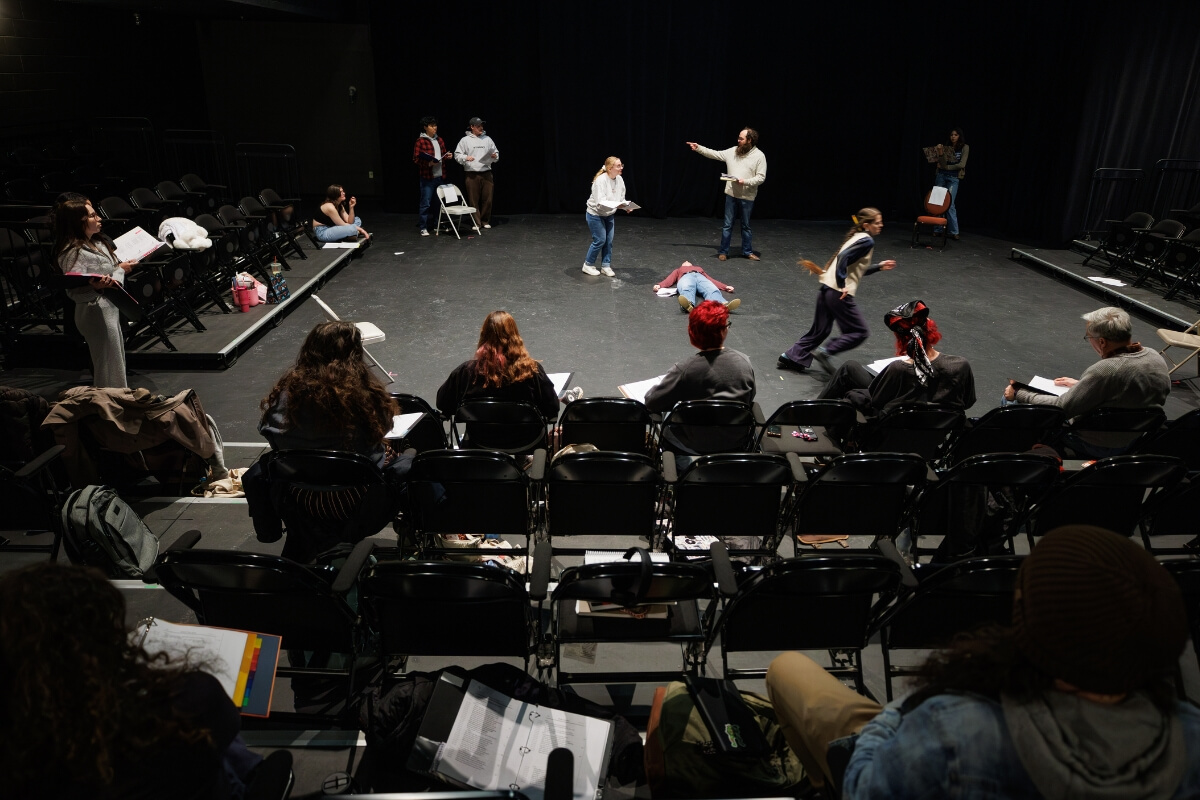
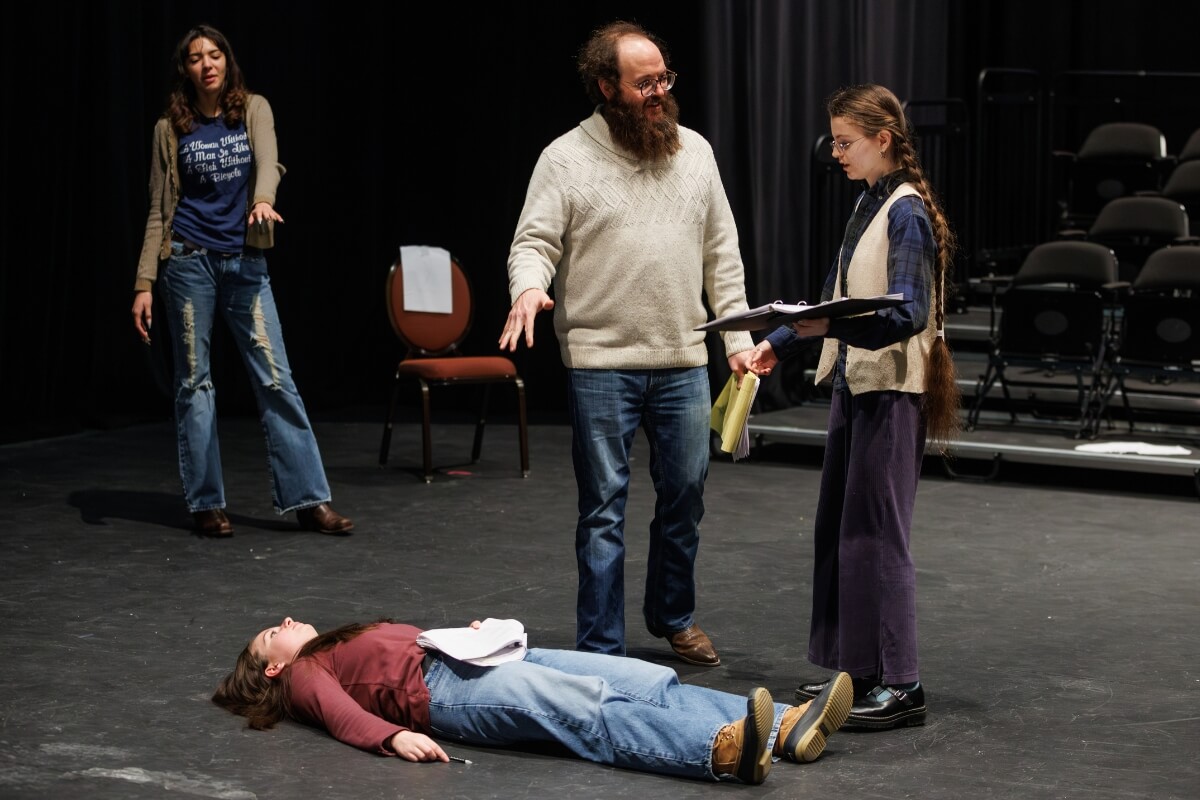
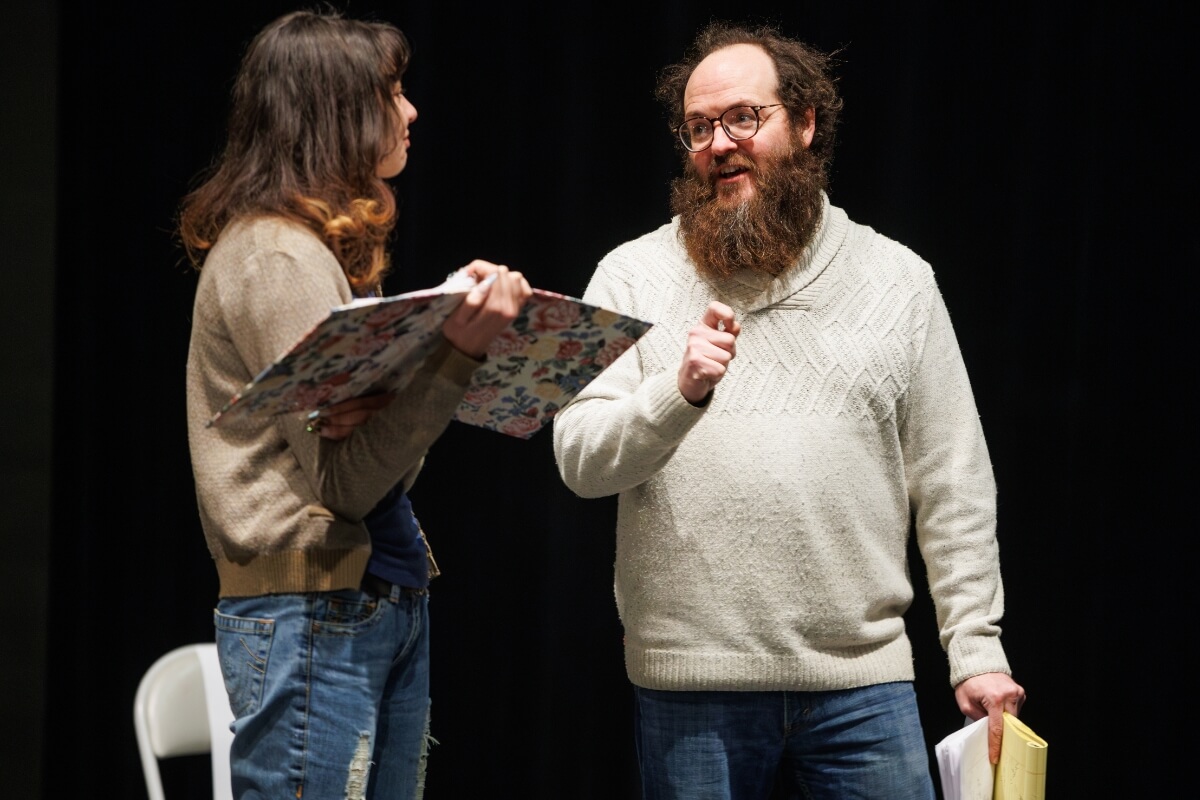
Horrifically tragic ending aside, the upcoming Maryville College Theatre Department production of Shakespeare’s “Romeo and Juliet” will make for lovely Valentine’s weekend viewing, according to Visiting Lecturer of Theatre Andy Vaught.
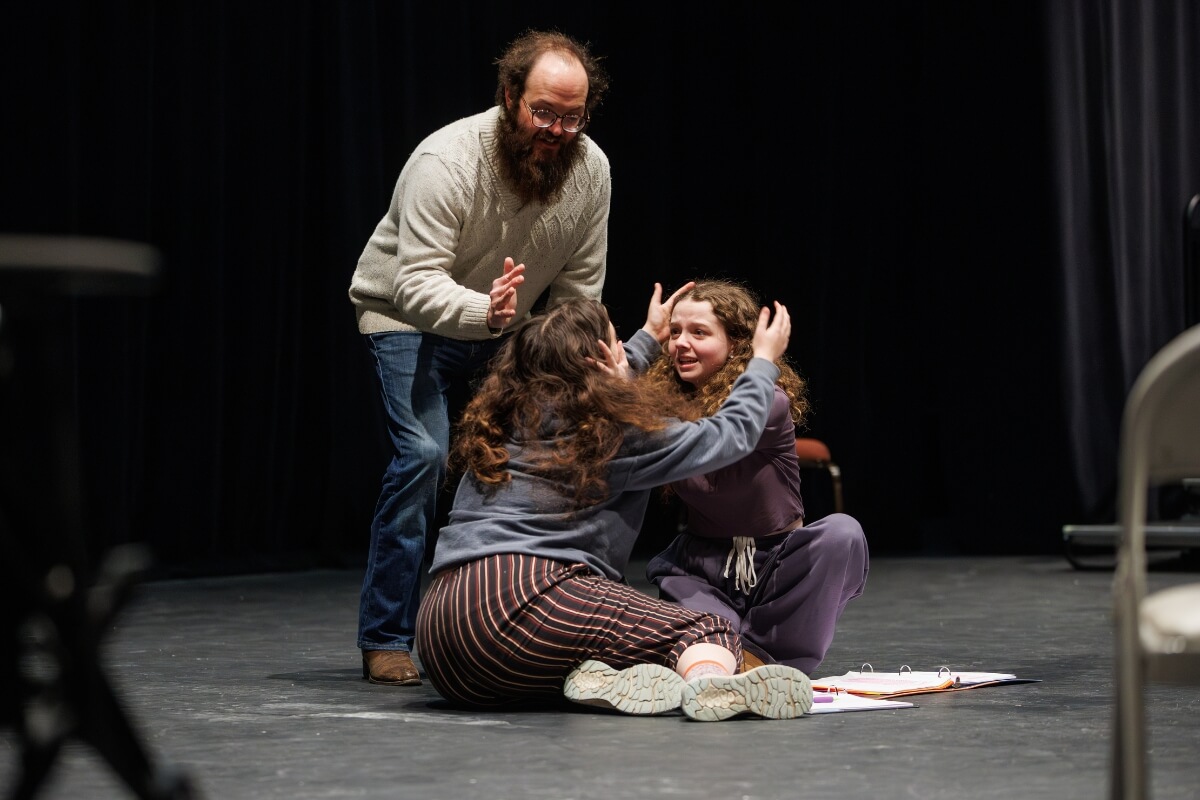
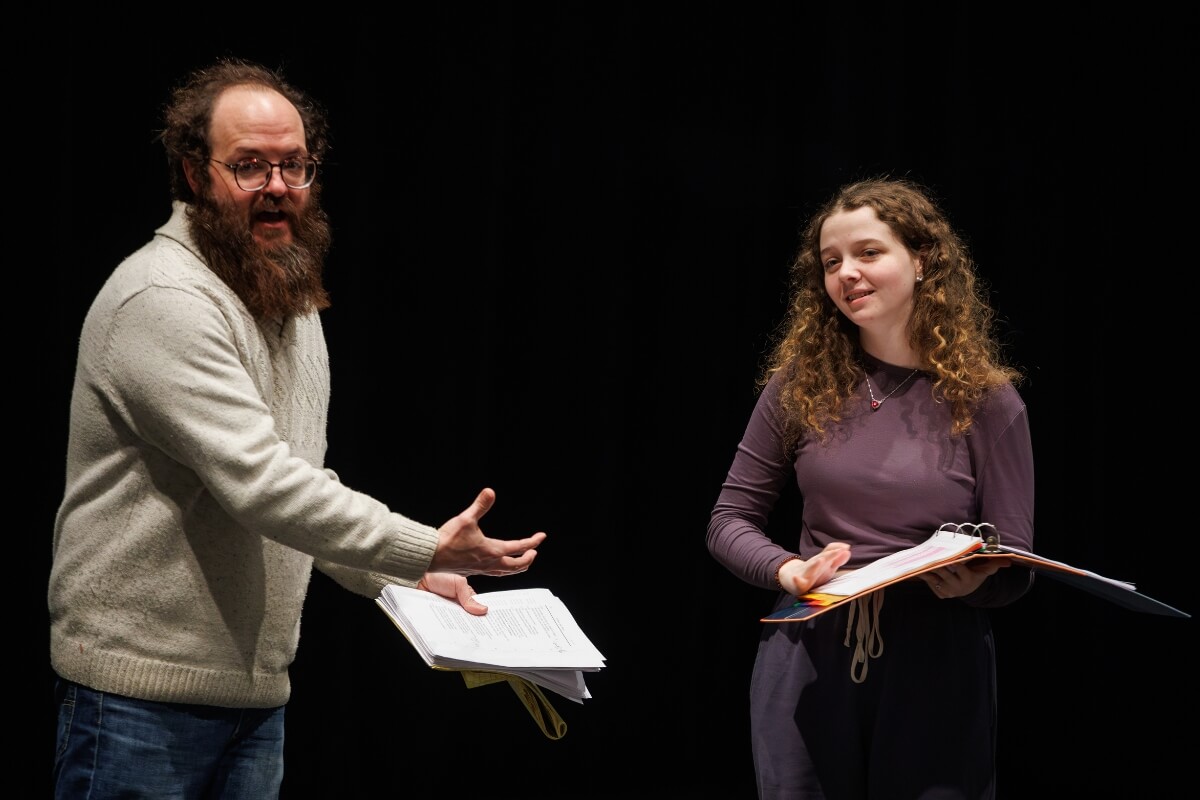
Vaught, who directs the play, described the classic work as “a fine date night for any true romantics,” in that the plot explores not just the fate of the two star-crossed title characters, but the choices they make to bring their love to life.
“We are locating the moments where love requires bold choices,” Vaught said. “In this play, love is not passive. It is aggressive, demanding and consuming. It is often wrong. I like this play because it shows the environmental repercussions of what you do for love.”
It is also, Vaught added, a “gender-blind” version of what’s arguably William Shakespeare’s best-known play, first published in 1597 and based on the 1562 poem “The Tragicall Historye of Romeus and Juliet,” which in itself was a translation of a French version of a story by Matteo Bandello. Traditional gender roles have been set aside, Vaught said, which allowed him to cast the best actors for the parts without regard to their biology. For Theatre Studies major Sasha Hoenie ’26, who plays the role of Romeo, such a bold creative choice makes their involvement even more exciting.
“Because the casting of this show was gender-blind, I think this also gives all of the actors the opportunity to add even more of themselves to their characters,” they said. “Bending the rigid structure of gender and sexuality, especially in such a flexible Shakespeare show, is going to open the doors for even more creative choices across the cast, and it is only going to make the dynamics of the show more interesting.”
Friends, costars, actors
And the chemistry between Hoenie and their fictional counterpart — Juliet, portrayed by Theatre Studies major Meredith Wynn ’26 — is baked into their real-world relationship: They’re College roommates and lifelong friends who actually have experience acting in “Romeo and Juliet” already, the pair pointed out, as high school thespians.
“Juliet is a very personal character to me,” Wynn added. “She was one of my first-ever lead roles, and I was so grateful to be able to portray her again. Junior year of high school was a very tumultuous time for me as we were just coming out of COVID lockdown, and many things were changing in my life, and she followed those changes right along with me. To now be playing her four years later as a junior in college makes me want to lend even more of myself to this role.
“But although I did this show in high school, many of the nuances were missing, as I couldn’t fully understand the depth of Shakespeare’s language. I always enjoyed reading Shakespeare in English classes, but I preferred plays to books, and in all honesty, ‘Romeo and Juliet’ was always my favorite. ‘A Midsummer Night’s Dream’ does come in a close second, but something about ‘Romeo and Juliet.’”
Like Hoenie, Wynn found herself drawn to Shakespeare’s works in high school because of the language, not in spite of it. Often portrayed as the bane of a high school English student’s existence for its archaic language and Elizabethan cultural references, the works of the Bard have always been beloved by the two actors.
“As a theatre kid, I loved reading his plays in high school, and I was lucky enough to have great teachers who made the experience enjoyable,” Hoenie said. “I actually have a collection of vintage Shakespeare books with every one of his plays that all date from 1944, and they’re some of my prized possessions! I have always been lucky enough to have a pretty easy time reading and understanding Shakespeare. As someone who enjoys poetry and flowery language, I have such a high appreciation for the language of Shakespeare’s plays.
“It is so fun to pick apart all of the double-meanings, wordplay, and foreshadowing in ‘Romeo and Juliet,’ and as I’ve been studying my lines, I keep catching more and more clever figures of speech, and it almost makes me physically angry how impressive it is. As a Shakespeare lover, my main goal in bringing this show to the stage is to help the audience understand the dialogue.”
How the dialogue is communicated through the physical performances of their character, Wynn added, can make all the difference.
“Portraying a character that people can connect with always comes down to relatability,” she said. “To me, Juliet has two main defining qualities: loyalty and naivete. Throughout the play, Juliet fights with the decision of love versus family. She does not want to lose either but simply cannot have both. Although we may not be able to relate to a multi-generational feud between two noble families, we can all relate more to the blindness of first love. The devotion she holds, although severely misguided occasionally, is something I often carry with me in my relationships and try to show on stage.”
A campus-wide affair
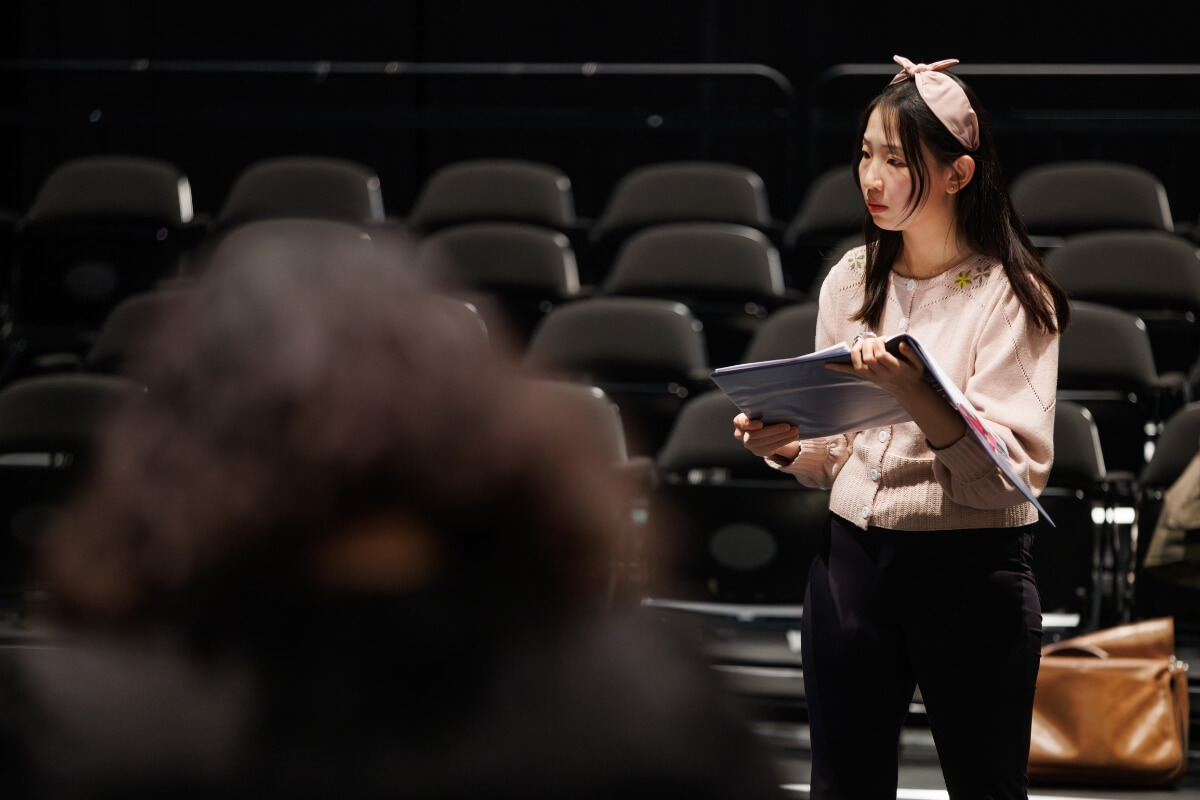
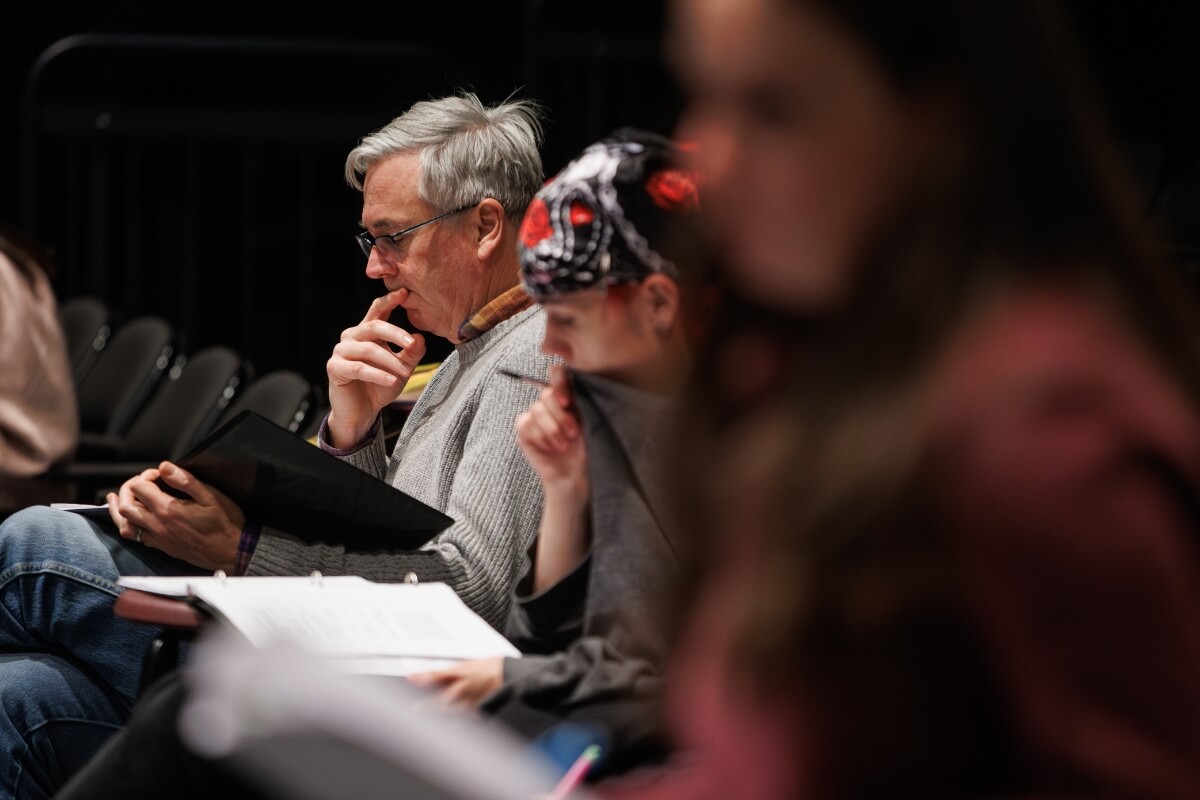
The Maryville College Theatre Department’s pool of talent isn’t solely limited to students in the theater program, either, Vaught said. Dr. Andrew Irvine, professor of philosophy and religion, will play Friar Laurence, the character who sets the entire plot into motion; and Di Bei, assistant professor of writing/communication, will play the Prince of Verona, who struggles to keep the peace between the two feuding noble houses to which Romeo and Juliet beling, the Montagues and the Capulets.
“It’s such an honor to have faculty from other departments be involved in our shows,” Vaught said. “It’s just one of the unique things about MC — everything we do here is connected. It’s part of a liberal arts culture, and it’s just great to see it being evidenced in a play. Theater is a great civic body!”
Irvine, a native of Australia, grew up doing theater as a young man (including roles in “Julius Caesar” and “How to Succeed in Business Without Really Trying” — the latter, he added, “with a young Hugh Jackman”), but it’s only been in the last decade that he’s gotten involved in community productions. “Romeo and Juliet” marks his first collaboration with the MC Theatre Department, he said.
“I think one of the satisfactions of extracurricular involvement is seeing students shine at things they love outside the classroom: athletics or the arts or a club,” he said. “A liberal education is an education for the whole person, after all. I expect it will be professionally quite stressful — I already have a very full plate! — but I’m looking forward to learning with and from the student actors about the craft of performance and about myself.”
His reference for Friar Laurence — who foreshadows the tragedy with an Act 2 soliloquy, and then sets it into motion with the potion that makes Juliet seem to die — is lifted from actor Pete Postlethwaite, who starred as the character in the 1996 adaptation of the play by director and producer Baz Luhrmann, even though the part was cut significantly for the film.
“I have to learn a lot more lines than I realized!” he said. “There are some really cool lines, though. They’re both poetic and philosophic, which is my kind of jam. So, although I’m a bit freaked out right now, I’m also excited about learning to inhabit the part. At least as I’m understanding the character right now, he is motivated by a slightly volatile mix of impatience with the priorities of lay people, and a willingness to indulge those priorities, with subterfuge even, if he thinks he can turn them to serve a higher end. He loves his protegé, Romeo, and wants Romeo to get what he wants, but he — perhaps like many of us — struggles to understand how the flesh and the spirit may best join together.”
For Bei, auditioning for a role was one of the first extracurricular activities she undertook after joining the MC faculty last fall. She has a lifelong love of theater and enjoys theatrical performances outside of her teaching duties.
“Andy said he cast me as the Prince because I was the most intimidating actor, and I look forward to embodying a role of authority while rendering their humanity on stage,” she said. “I am thankful for the fact that I work in academia, which granted me more space to explore liberal arts. I appreciate my students and colleagues for allowing me to be a part of their artistic vision.”
All about the acting
Given the constraints of the time period, Shakesperean productions at the time of their creation were forces of nature, Vaught said. That’s one of the reasons the plays remain such benchmarks of theatricality, alongside the timeless nature of the themes contained therein. The Haslam Family Flexible Theatre, where “Romeo and Juliet” will be staged, is an ideal space for the cast to bring the tragedy to life, he added.
“There’s a way of presenting Shakespeare that’s called ‘all the lights on,’” Vaught said. “When Shakespeare presented plays in the day, he didn’t have lights, he didn’t have sets, and the actors performed on a stage that thrust into the audience. In an ‘all the lights on’ production, you try and strip as much away from the play until it’s just about good acting and making a connection with the audience. We’re lucky that the Clayton Center has a facility that can accommodate the specific needs of a show. “
“This show is going to be especially different from other shows that we have done recently, because it is going to be ‘in the round,’ which means that the audience will be seated on all four sides of the stage — reminiscent of the famous Globe Theatre, the capital of Shakespeare performance,” Hoenie added. “Thus, actors will be completely surrounded by the audience. This means that at all times, someone will be able to see an actor, which means that the actors must be completely engaged at all times. I have never done a show in the round before, and I’m excited to see how this new experience feels as an actor.”
And that gets to the heart of what theater at Maryville College is all about, according to Vaught: Pushing students to deliver their best, while also giving them opportunities to engage in new and exciting ways with the audience, each other and the room itself. For actors like Wynn, it’s an experience she likely wouldn’t have found at any other institution.
“Maryville College has been where I have fully come into my own as a performer,” she said. “In high school, I mainly played serious roles that were often damsels or just really angry people. My first role here was as Beanpole in ‘Revolt of the Beavers,’ which allowed me to tap into the unseriousness and fun that acting so often has.
“Through playing Clairee in ‘Steel Magnolias,’ I learned more about comedic timing and how to land a joke on a crowd of people. I feel like playing Juliet is a return to the types of roles I used to play, but I am looking at it with more trained and appreciative eyes. Andy has made me a more flexible performer and has seen a different character type in me every show. I am so grateful to get to play a wide variety of characters, and without the education I’ve received here, I fear I would’ve stuck to my typecast, too afraid to step out of that comfort zone.”
The opportunities at MC to explore the human condition through auditioning for and acting in various roles makes Hoenie equally grateful. Looking back over their career as a Theatre student and as a member of the department that actually produces school-affiliated shows, they see a trend that would have been difficult to find elsewhere, they said.
“I am always so impressed by the variety of shows the Maryville College Theatre Department can put on,” Hoenie said. “We do tragedies, we do comedies, we do musicals, we do old plays and new plays and student-written plays. Someone involved with this department can get a taste of all different sides of the theatrical world just by being a part of just a few productions, either onstage, in pre-production, or backstage.”
“The Tragedy of Romeo and Juliet” opens at 8 p.m. Thursday, Feb. 13, in the Flex Theatre of the Clayton Center for the Arts on the MC campus. Additional performances take place at 8 p.m. Friday, Feb. 14, and Saturday, Feb. 15, and at 2 p.m. Sunday, Feb. 16. Tickets are $15 for adults, $10 for seniors and area students, and free for MC faculty, staff and students, although a printed ticket from the Clayton Center box office is required for admission. For more information, call the box office at 865-981-8590.