PSY/SOC/INT/NSC 249 (CD)
ADVANCED STUDIES IN INTERNATIONAL CHILD WELFARE IN SWITZERLAND
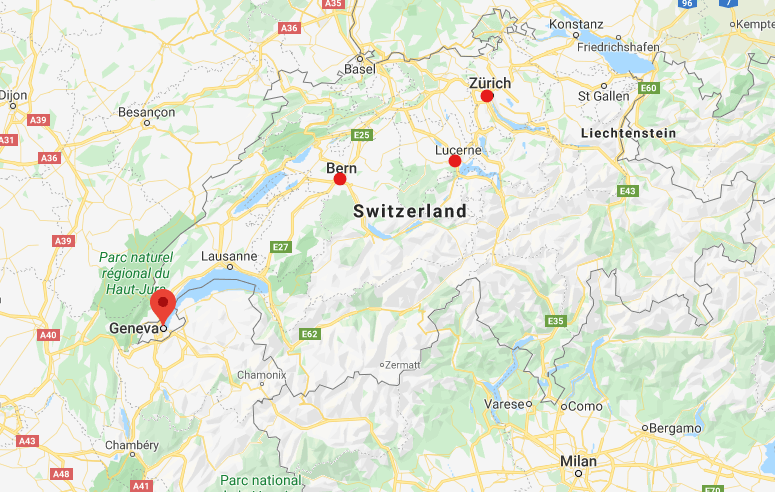
(Geneva, Bern, Lucerne, & Zurich)
PSY/INT/SOC/NSC 249 Advanced Studies in International Child Welfare
Credit:
3 credits
Course Structure:
Spring 2022 semester course with travel during Spring Break 2022
Course Description:
This is a semester-long course examining global child welfare, including topics related to food insecurity, health, trauma, and resilience. Since Switzerland hosts some of the world’s most influential organizations working to improve the lives of children around the world, students will visit global organizations within Switzerland including the United Nations, World Health Organization, Doctors Without Borders, and the International Red Cross. In the context of studying international development aid, students will examine issues of intercultural competence, communication, and the social, economic, and political implications grassroots vs. global aid. Students will examine the ways in which Switzerland evolved as a hub for global humanitarian efforts and will compare that with the humanitarian needs and efforts of the United States.
Students will also enjoy time to explore some of Switzerland’s most notable cities (Gruyéres, Geneva, Bern, Lucerne, and Zurich) and reflect at the top of one of its highest mountain peaks (Mt. Titlus). For example, students will examine how Berne—Switzerland’s capital city and UNESCO World Heritage Site—meets the criteria of UNICEF’s Child Friendly Cities Initiative. After previously touring Blount County’s juvenile detention facility, students will conclude their study abroad experience with a visit to Zurich’s Juvenile Detention Center.
Course Goals:
As a result of the course, students will be able to:
- Explain the complex nature of childhood trauma and resilience, including an understanding of the humanitarian needs and efforts of the United States;
- Articulate how Switzerland evolved as a hub for global humanitarian efforts, the ways in which improved rates of child mortality can largely be attributed to international aid, and the psychological and sociological interrelationships between individual need, culture, and international aid;
- Experience new cultural sites and practices through research, observation, engagement, multi-media documentation, and reflection; and 4) demonstrate competence in various modes of travel and navigation (plane, bus, train, tram, taxi, gondola, walking) and independent, self-guided engagement with local residents, food, currency, and maps.
Why Switzerland?
According to Tourism Switzerland these are 2 answers to this question:
- Discover unspoiled nature and breathtaking scenery in the heart of the Alps, including the most attractive peaks and stunning vistas. Enjoy Switzerland, its mountains, lakes and rivers the active way, with all imaginable summer and winter sports.
- Romantic alleyways, people in love with life, designer boutiques and modern architecture are all within easy walking distance. Swiss cities offer a wealth of museums, shopping and entertainment—convenient and authentic.
With four national languages and thriving economics, Switzerland is also distinct for its cultural diversity, contrasting traditional and highly modern lifestyles, and stunning scenery. Switzerland consistently earns the top rank of “Best Countries” (US News & World Report, 2019) based on criteria related to adventure, citizenship, cultural influence, entrepreneurship, heritage, movers, open for business, power, and quality of life. Therefore, it provides an interesting comparison to the United States regarding its history related to human rights, political power, education, innovation, and economic influence. As the hub for international humanitarian efforts, it provides an ideal location to better learn about the global needs of children and families around the world.
Why consider this course abroad?
- It offers both major/minor related credit in Psychology, Sociology, International Studies & Neuroscience (or elective credit)
- Fulfill CD Domain credit (take this class instead of WRC 370)
- Travel with Dr. Schratter & Dr. Schmied and learn from their experiences overseas
- Site visits to several international organizations
- Work on a key competency employers are looking for:

Leaders:
Dr. Ariane Schratter, Professor of Psychology
ariane.schratter@maryvllecollege.edu
March 11-20, 2022
*Embedded in a Spring 2022 course. Travel over Spring Break*
Day 1 Friday, March 11
• Depart for Geneva, Switzerland
Day 2 Saturday, March 12 Geneva
• Arrive at Geneva Airport (GVA)
• Transportation by private bus from the airport to your hotel
• 4 nights in twin rooms with private bathrooms incl. breakfast at the 2-star Hotel De Genève in Geneva
• Public transportation pass for the duration of your entire stay in Geneva
• Orientation session by your on-site coordinator at the hotel
• Welcome dinner at a restaurant in Geneva to kick off the program
Day 3 Sunday, March 13 Gruyère
• Breakfast at the hotel
• Train tickets from Geneva to Gruyère and return (Travel time one way: 2 hours)
• Audio-guided tour of the dairy “La Maison de Gruyère” to learn more about the production of cheese
and sample some of their cheese
• Visit the Gruyères Castle, built in the 13th century following the typical square plant of the fortifications in Savoy (admission included).
Day 4 Monday, March 14 Geneva
• Breakfast at the hotel
• Public transportation during the day
• Visit the World Health Organization (WHO), the directing and coordinating authority for health within the United Nations system. It is responsible for providing leadership on global health matters, as well as monitoring and assessing health trends.
• Group lunch at the WHO
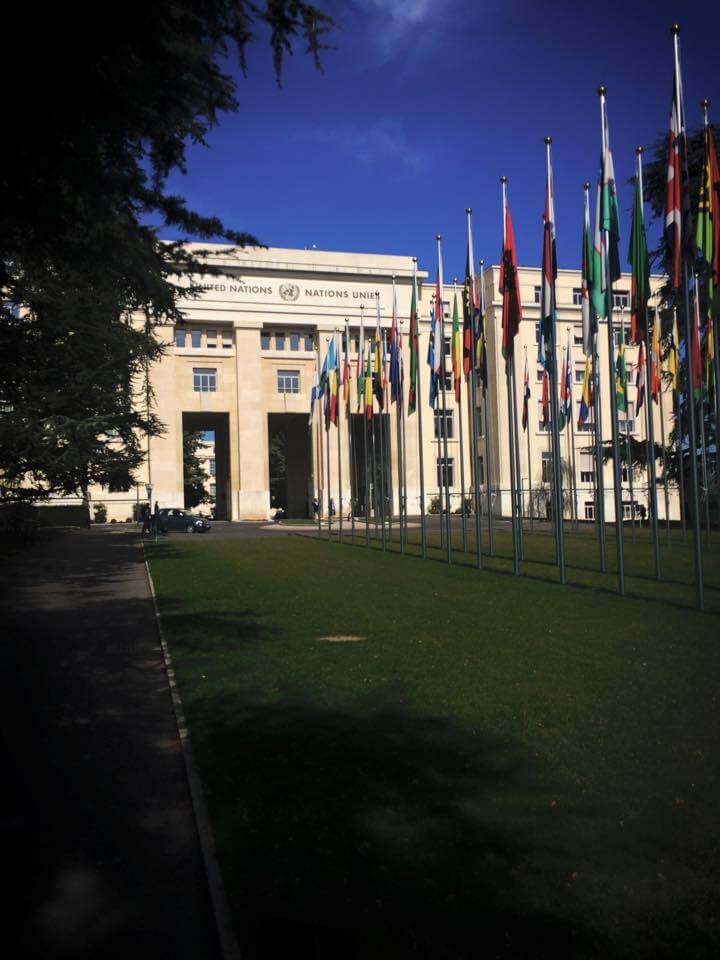
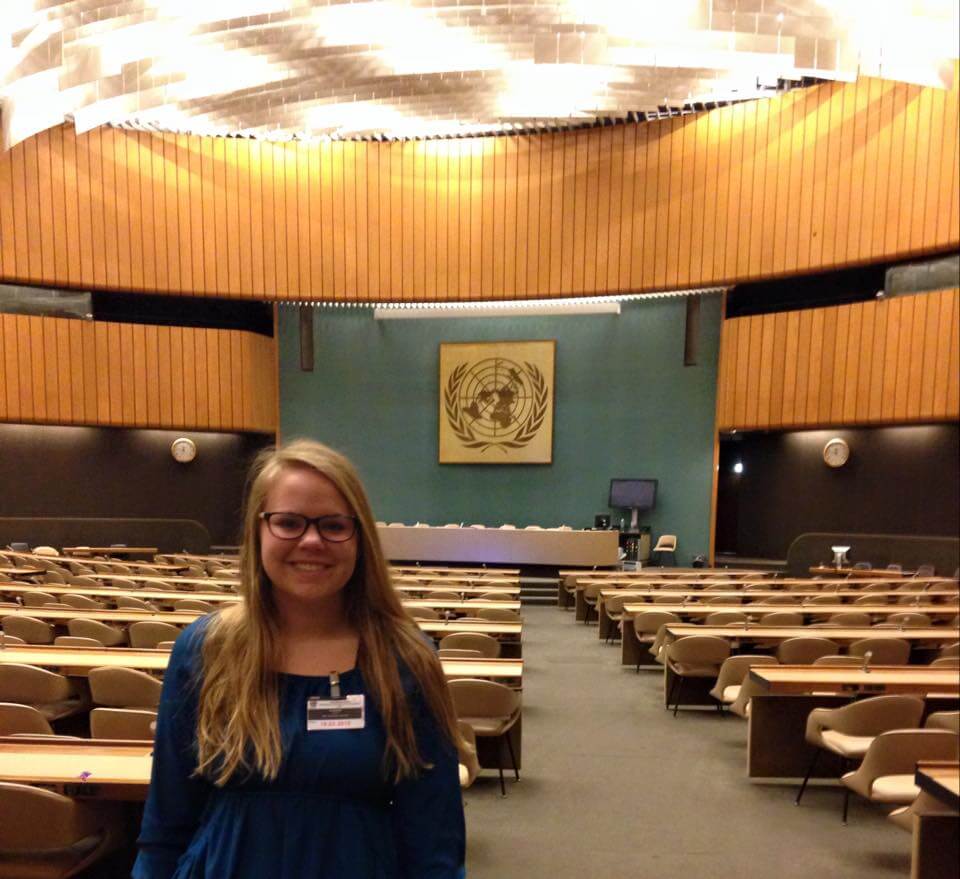
• : Visit to the United Nations Office
• Visit to the International Red Cross and Red Crescent Museum
Day 5 Tuesday, March 15 Geneva
• Breakfast at the hotel
• Public transportation during the day
• Visit to Doctors Without Borders & Research Unit on Humanitarian Stakes´
and Practices
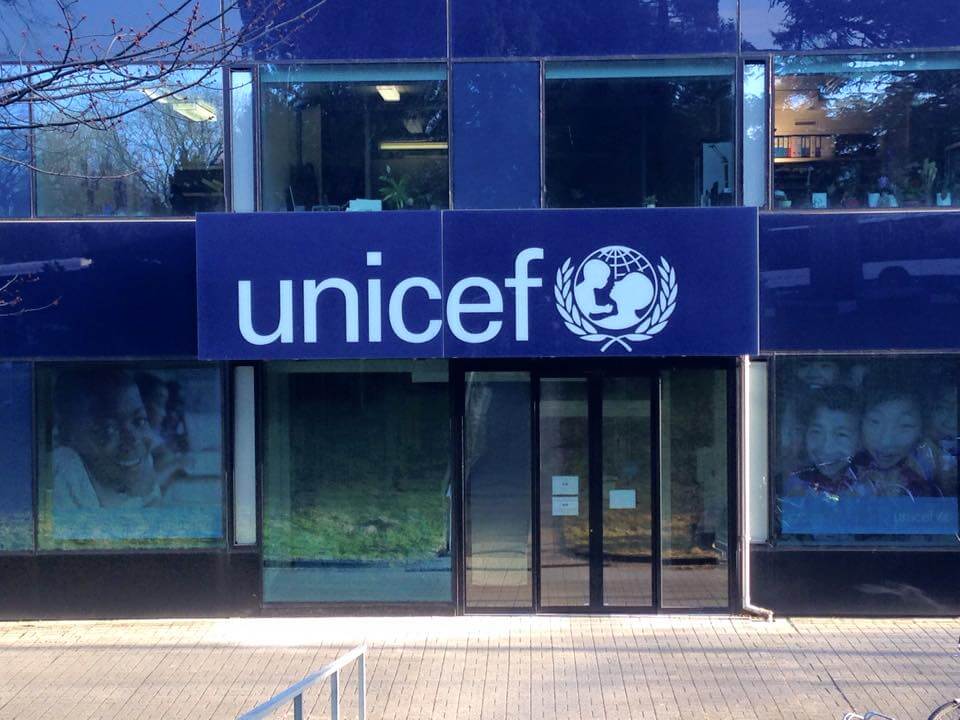
• Visit to UNICEF or Comité international de la Croix-Rouge (CICR)
Day 6 Wednesday, March 16 Geneva – Berne – Lucerne – Engelberg
• Breakfast at the hotel
• Transportation by private bus during the day
• Free time in the city of Berne to have lunch on your own and to explore one of UNICEF’s Child Friendly Communities (Kinderfreundliche Gemeinde)
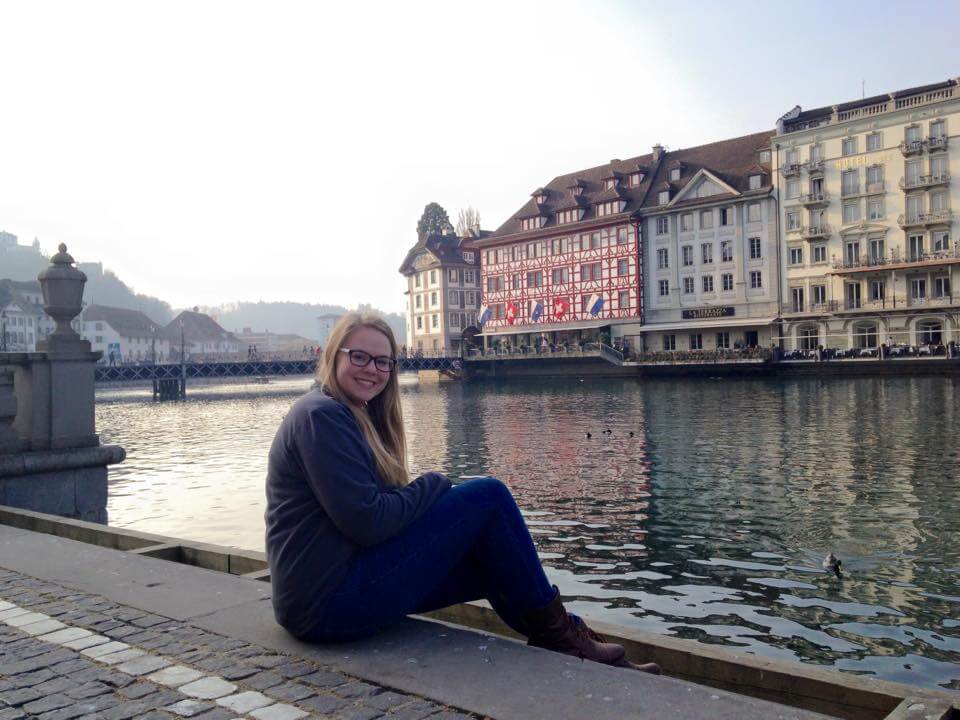
• Continue to Lucerne and explore the city on your own. Travel to your hotel in Engelberg afterwards.
• 2 nights in twin rooms with private bathrooms incl. breakfast at the 3-star Hotel Central in Engelberg
Day 7 Thursday, March 17 Engelberg
• Breakfast at the hotel
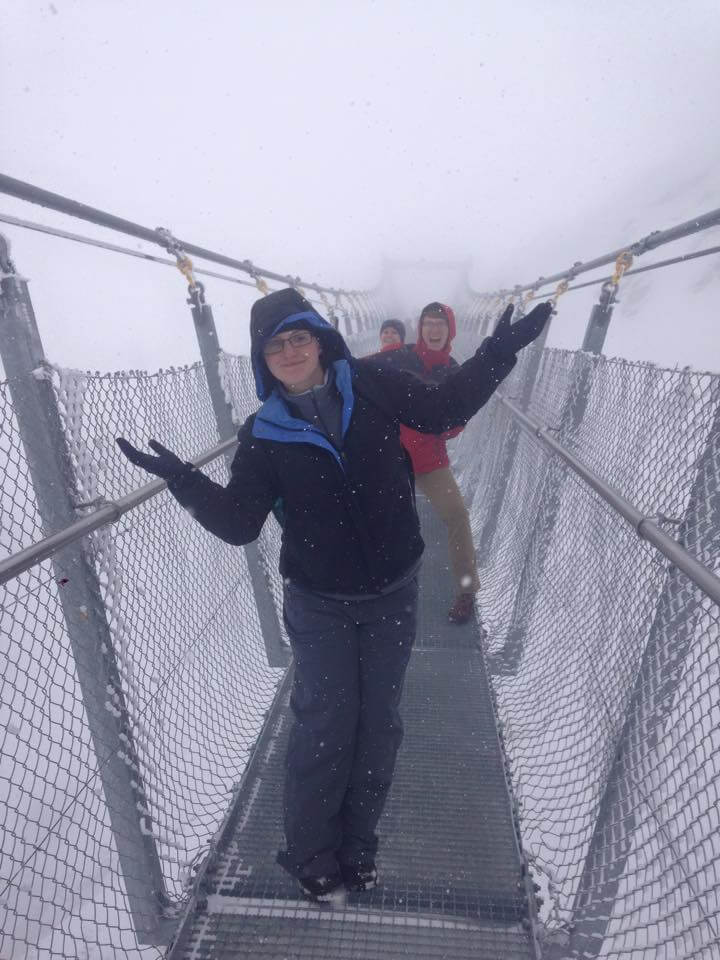
• A day-ticket for the gondola will be arranged for you so that you can take a ride to the top of Mount Titlis,
the summer and winter paradise for all people interested in beautiful mountain scenery, for skiers
and for snowboarders.
• Guided tour of Engelberg’s Benedictine Monastery established in 1120
• Transfer by private taxi to the restaurant
• Typical Swiss Älplermagronen dinner followed by a walk back to the hotel by torch light
Day 8 Friday, March 18 Engelberg – Zurich
• Breakfast at the hotel
• Transportation by private bus to the Correctional Centre and to your accommodation in Zurich
• Visit the Correctional Centre for Treatments of Juvenile and Young Adult Offenders
• 2 nights in twin rooms with private bathrooms incl. breakfast at the 2-star Hotel ibis Zürich City West in Zurich
• Public transportation pass for the duration of your entire stay in Zurich
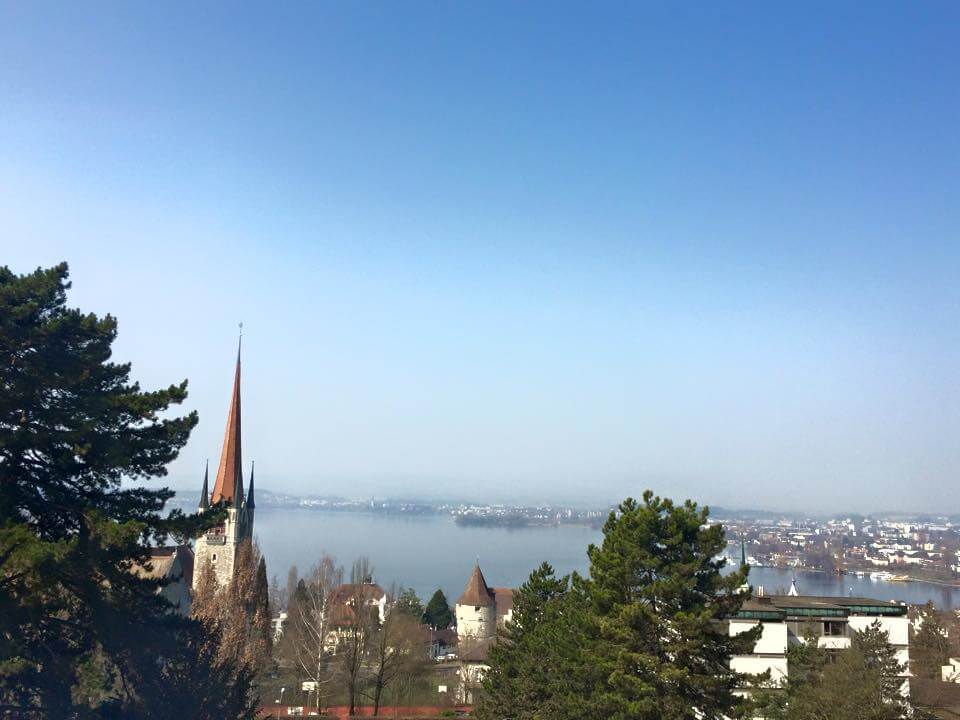
• Enjoy dinner on your own as you explore St. Peter’s Church (Zurich’s oldest parish church), the Grossmünster Church dating to the 11th Century, and the shoreline of Lake Zurich.
Day 9 Saturday, March 19 Zurich
• Breakfast at the hotel
• Public transportation during the day
• Admission to the Swiss National Museum presenting Swiss cultural history from its beginnings to the present, and giving an insight into Swiss identity and the rich tapestry of our country’s history and culture
• Guided tour of Lindt Home of Chocolate to learn all about the long journey of the cocoa bean, from its growing region all the way to Europe and how coca pods are processed into the finest chocolate.
• Afterwards, explore the hidden gems of Zurich including a visit on your own to Hans zum Rech, dating from the Middle Ages and showing how decorative styles changed over the centuries or have a treat in Sprüngli House, which opened in 1856.
• Farewell dinner at a restaurant in Zurich to wrap up the program
Day 10 Sunday, March 20 Zurich
• Breakfast at the hotel
• Transportation by private bus from the hotel to the airport
• Departure from Zurich Airport (ZRH) to the USA
Approximate Costs: $4,300*
The Program Fee includes:
Roundtrip Airfare
Local transportation
$200 deposit
Housing
Cultural and professional excursions
Some meals
Travel medical insurance
Eight breakfasts, one lunch, and three dinners are included in the cost.
Not included:
$100 Application fee
Lunches and most dinners (approximately $500)
Passport
Personal expenses
Immunizations
*Pre or Return COVID testing (if necessary)
For the approximate 10 remaining meals, students will be provided an estimate for the minimum amount suggested. Various food options (including grocery stores, train station vendors, department stores, coffee shops, restaurants) provide a wide range of food costs.
*Please note that prices are tentative and may fluctuate based on variation in exchange rates, number of participants, price fluctuations in actual airfares and fuel surcharges, or administrative overhead.
Be sure to apply for the MC Travel-Study Scholarship!
*Costs are tentative at this point and subject to change.
How it Works:
- Travel with expert faculty members (Dr. Schratter and Dr. Schmied)
- Travel with a group of Maryville students on a short term study abroad program
- 3 academic credits
- This is an interactive learning experience. You are learning about the course topic with the international destination as your classroom.
**Spring course & travel**
Who can participate?
You! Travel Study programs are open to sophomores, juniors and seniors. This program will admit approx.14+ students.
Registration & Application:
Please follow the below instructions to apply for a Travel Study program. Do not miss our application deadlines!
You may list up to 3 preferences on the travel study program application. You are encouraged to select more than one site as this improves your chances on being placed on a travel study program. Only list programs you would be happy to be selected for. You will be considered first for your first place site.
Selection
Selection will be conducted by the faculty leaders. Selection decisions are based upon the entire application packet: application, essay, references, GPA, student conduct, etc. In addition, faculty leaders look for a match between the student’s goals and the goals of the programs. The selection process varies by program, however applicants should be prepared for an interview as part of the acceptance process.
Special Considerations:
The minimum level of fitness required for the travel component is approximately five miles of walking per day. Students with limited mobility or mobility-aids (e.g., wheelchair) will require special accommodations, which the more rural regions (e.g., Engelberg) may not be able to adequately accommodate.
Get More Information:
- Travel Study Program Information Meeting: Meetings will take place during early Fall 2021 (Watch Today@MC for information)
- Talk to Faculty Leaders about the program you are interested in.
- Talk to the Center for International Education (studyabroad@maryvillecollege.edu)@MCScotsAbroad (FB/Instagram)
Apply:
- Travel Study faculty-led program application form
- Due: ONLINE by November1 with a $100 application fee. This fee DOES NOT count towards the cost of the program.
- Travel Study scholarship applications will be due to the Center for International Education (International House) by November 1 by 12noon. Scholarship deadlines will not be extended for late applicants.
Tentative Timeline:
| Application Available | Spring 2021 | Apply Online |
| Application Due | November 1 | $100 application fee |
| Interviews Begin | Nov 2-5 | All students will interview with the faculty leader(s) |
| Notification of Acceptance (and scholarship) | November 12 | Via email before 5:00pm |
| Confirmation of Acceptance Due | November 19, Noon | Confirmation of acceptance with $200 deposit due by 12noon |
| Payment 1 Due | December 15, Noon | 50% of Payment due (Full balance may be paid at this time) before 12noon. |
| Final Payment Due | January 31, 12noon | |
| Mandatory CGE Pre-Departure Orientation | March 1 | Three part webinar. |
| Program Specific Pre-Departure Orientation | TBD | As determined by Faculty Leader(s) |
REFUND POLICY:
Maryville College will work with international partners to create refund and withdrawal policies that limit the financial impact on students and families should COVID-19 change a student’s plan to travel.
- 100% refund of total program costs until first payment date (December)
- Recoverable costs of total program costs up to 46 days prior to the start (arrival) date of the program
- 0% refund of total program costs 45 days or less prior to the start (arrival) date of the program
- Quarantine & COVID testing may incur additional fees for participants
*Above policies are currently estimated, but established by contract obligations
Student withdrawals after the confirmation of acceptance date (November 1) may affect the ability for a program to occur or may affect program pricing.
Worried about your program investment – check out Cancel for Any Reason Trip Interruption insurance (not included – must be purchased as early as 7 days after your first $100 payment)
Apply Now »
U.S. State Department Consular Information Sheet
Level 1 Exercise Normal Precautions https://travel.state.gov/content/travel/en/international-travel/International-Travel-Country-Information-Pages/Switzerland.html
Entry, Exit & Visa Requirements
- Visit the website of the Embassy of Switzerland in Washington, D.C. for the most current visa information.Traveling Through Europe: If you are planning to visit or travel through European countries, you should be familiar with the requirements of the Schengen Agreement.
- Your passport should be valid for at least three months beyond the period of stay if you plan on transiting a Schengen country review our U.S. Travelers in Europe page.
- You will need sufficient proof of funds and a return plane ticket.
- For additional information about visas for the Schengen area, see the Schengen Visa page.
The U.S. Department of State is unaware of any HIV/AIDS entry restrictions for visitors or foreign residents in Switzerland.
- Find information on dual nationality, prevention of international child abduction and customs regulations on our websites.
CIA World Factbook – Switzerland
https://www.cia.gov/library/publications/the-world-factbook/geos/sz.html
Switzerland Tourism
https://www.myswitzerland.com/en-us/
Lonely Planet Guidebook
https://www.lonelyplanet.com/switzerland
Travel Tips
https://www.tripadvisor.com/Tourism-g188045-Switzerland-Vacations.html
https://www.nomadicmatt.com/travel-guides/switzerland-travel-tips/
https://amateurtraveler.com/switzerland-itinerary/
https://amateurtraveler.com/switzerland-unesco-sites/
https://www.thecrazytourist.com/25-best-things-zurich-switzerland/
https://bucketlistjourney.net/bucket-list-things-to-do-in-zurich-switzerland/
https://bucketlistjourney.net/geneva-bucket-list-15-things-to-do-in-switzerlands-second-largest-city/ (Good suggestions after the helicopter ride …)
(note: external resources not sponsored by or endorsed by Maryville College)
Map of this Travel Study Program
Travel Study Application + $100 Fee: Applications received without a $100 application fee will not be considered. The $100 application fee does not go towards the program fee, but the deposit does.
Deposit of $200 Fee with Confirmation of Acceptance
Application for Faculty-led Programs »
Scholarships Application »


 program.*