William Leeper ’27 steps in to protect an essential ingredient of Maryville College-brewed beer
Aug. 13, 2024
EDITOR’S NOTE: This is the fifth in an ongoing series spotlighting summer research projects and internships by Maryville College STEM students, made possible through a $645,000 Fund to Improve Post-Secondary Education (FIPSE) grant, administered through the U.S. Department of Education. The grant was earmarked for the expansion of MC’s Scots Science Scholars program and build on STEM initiatives provided by the College to “increase access to hands-on experiences and industry exposure, with a focus on addressing emerging technologies and scientific innovation in natural sciences, computational science and engineering.”
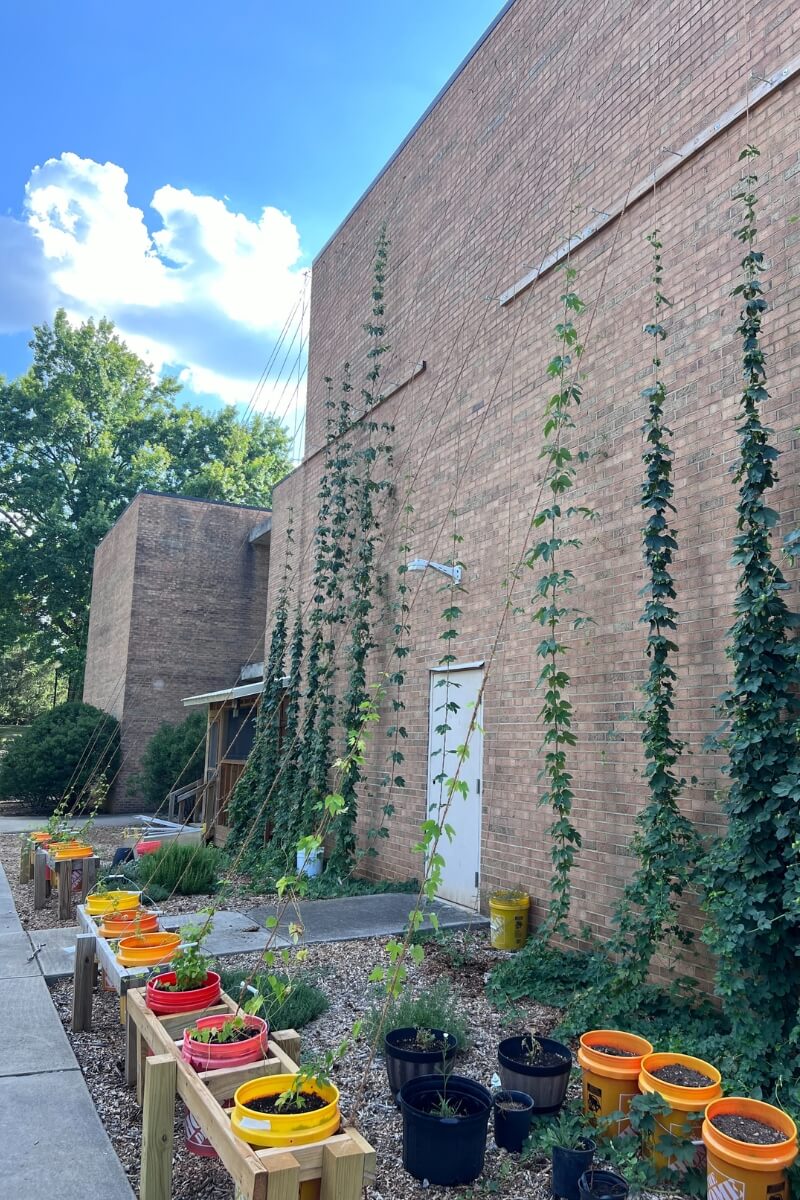
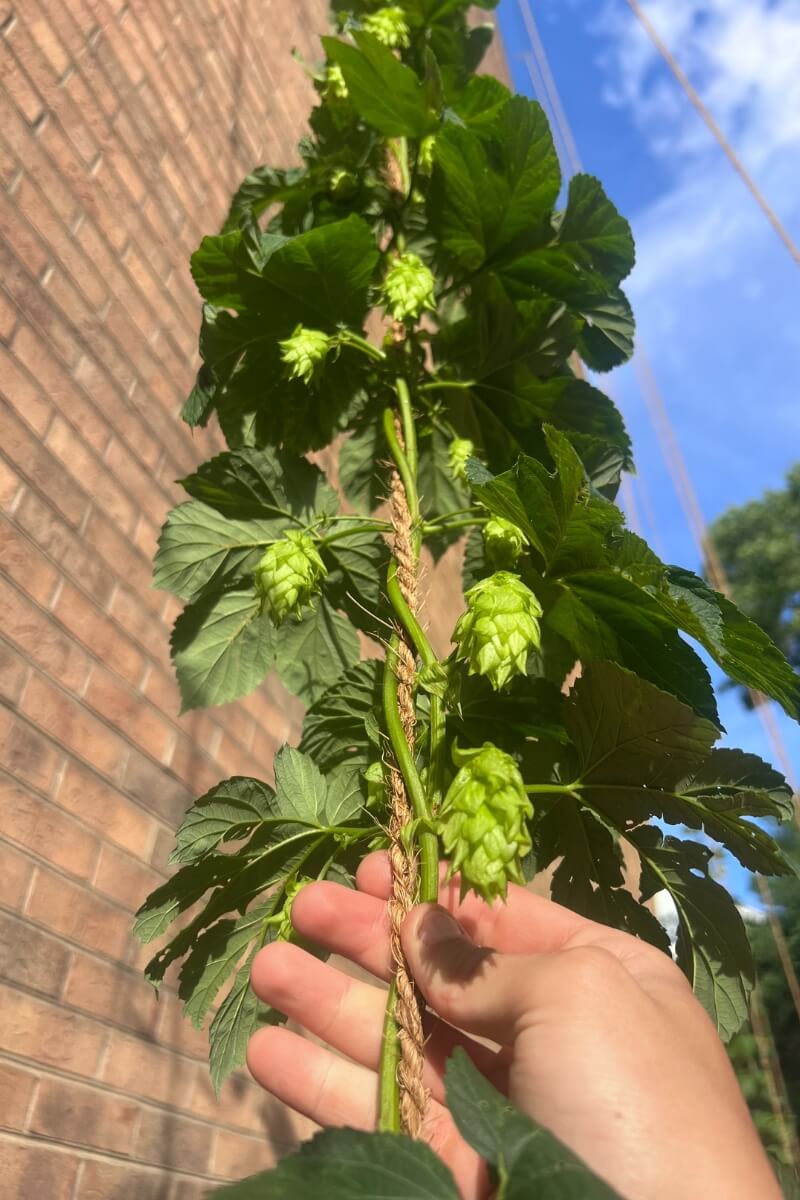
For several years now, Maryville College-brewed beer has been a mainstay of holiday parties, Homecoming gatherings and other activities. The beer-brewing course led by Dr. Nathan Duncan, MC professor of chemistry, has since grown into a new program of study, the Fermentation Sciences minor. And around both the Sutton Science Center and on private property near the Great Smoky Mountains National Park, strings of Maryville College hops await harvest for use by Duncan’s students.
It’s difficult to use them, however, if they’ve been gnawed on by pests.
Last summer, Duncan worked to establish those hops vines when he discovered that some varieties seemed to attract larger numbers of Popillia japonica, or Japanese beetles. When he looked closer, he saw that while the hops that were being feasted upon were covered in hundreds, if not thousands, of the insects, others had zero.
Being a scientist, such a phenomenon aroused his curiosity, and being an educator, he wanted to propose it as a summer project for a student. Enter Will Leeper ’27.
“Dr. Duncan originally brought this idea to me, and I challenged it by saying that some plants could potentially be repelling the insects rather than some attracting them,” Leeper said.
Because 2024 is the second summer of growth for the Maryville College hops, the first step, Duncan pointed out, was to see if the beetles returned to the plants in year two, indicating a pattern. The next step, he added, was to determine if the insects were attracted to certain terpenes (naturally occurring chemical compounds responsible for aromas and flavors). While it’s been proven that Japanese beetles are attracted to terpenes, there’s little data on the terpene content of leaves of the hops vines, and little research into selective beetle feeding habits of hops plants.
“There’s a lot of theories that we have,” Duncan said. “It may not have to do with terpenes, since we don’t know what levels terpenes exist in the leaves, and the beetles seem to be most active before cones are ripe and terpenes are high. But the research is collaborative, and so Will has contributed a lot of ideas about how we might test whether or not the beetles are attracted to certain varieties or repelled by others. They seem to be indiscriminate feeders, so I personally think it’s likely that they are repelled by certain varieties.”
Conducting research on private land in West Miller’s Cove near the Smokies, Leeper compiled 10 journal entries of separate instances of data collection. The insects began to appear on the hops vines around June 19, he said, and by the beginning of July, that had moved on.
“They did significant damage to the hops by eating the leaves,” Leeper said. “Additionally, it has been dry and hot for most of the summer, and the plants have seemed to slow in growth compared to the beginning of the summer, when it was raining excessively. We still have yet to harvest the plants, but we’re getting close.”
While the initial goal of the project — which the FIPSE grant funds through a stipend that pays for Leeper’s hours working in the hops orchard and for construction funds for hops drying boxes that will process them after harvest — has been to see if the defoliation and selective feeding would occur for the second year in a row, the information collected will help Duncan determine which hops varieties are better acclimated to growth in East Tennessee.
“Some varieties didn’t overwinter well, so we are looking into that too,” Duncan said. “Mold/mildew resistance is important. And finally. pest resistance is one part of that. We are also studying the chemical profiles of the hops that are harvested and using them in the brewing process to see if they produce some unique and good flavors.
“One of my goals is to find a way to deter the beetles from attacking any of the plants,” Leeper said. “One way that I believe could be implemented next season is planting four-o’clocks (often used as trap crops for pest control) around the perimeter of the orchard.”
Up next: A beefy research project, by Colby Huffman ’25 and Ellie Jaynes ’26!